
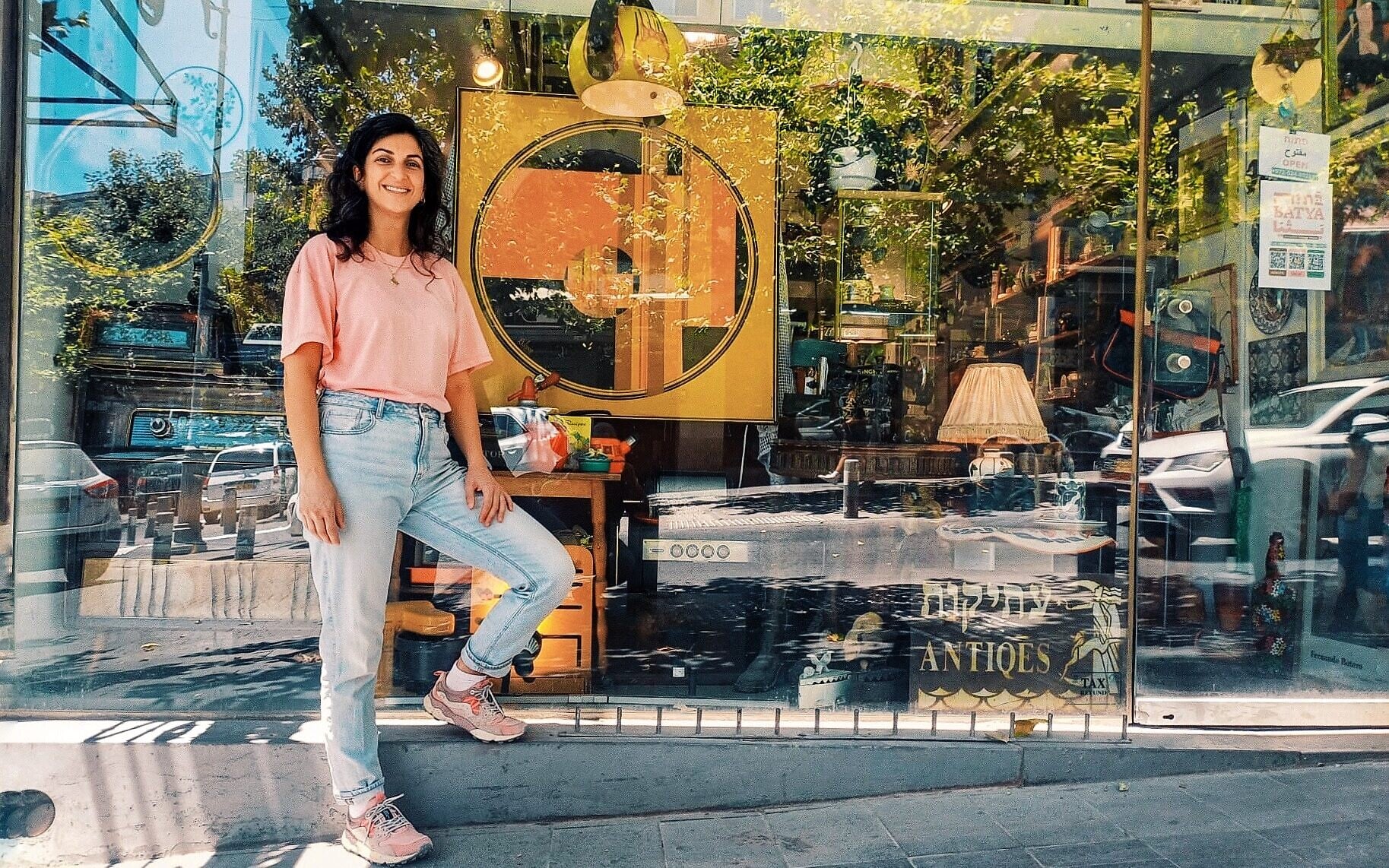
Batya Vintage House has become a unique haven for those seeking nostalgia and connection to the past, offering an experience that goes beyond traditional shopping. Located in the heart of Jerusalem on Shlomzion HaMalka Street, the shop is a treasure trove filled with vintage items that evoke cherished memories and stories from generations gone by.
A Walk Through Nostalgia
As visitors step into Batya Vintage House, their first response is often a deep, reflexive breath. They are drawn to the myriad of shelves lined with painted ceramics, antique books, and maps that seem to speak of stories long forgotten. Many pause at the entrance, greeted by a warm smile and the inviting ambiance reminiscent of a beloved grandparent’s home. Batya Ezri, the shop’s owner, aims to create an atmosphere where people not only come to buy but also to reminisce and connect with their memories.
The shop’s charm lies not just in its diverse offerings. The air is filled with the soothing sounds of classic music from artists like Ella Fitzgerald and Joan Baez, creating a calm environment where conversation flows easily. Unlike most antique shops that can often feel overwhelming due to their weighty history, Batya Vintage House feels light and welcoming, which is intentional. Ezri understands that visitors are not merely in search of material items; they’re looking for experiences and feelings tied to each piece.
From Childhood Memories to a Passionate Business
Ezri’s relationship with vintage items is deeply rooted in her family’s history. Her parents once operated an antique shop in the same location during the 1980s, specializing in Persian art and hand-crafted jewelry. From an early age, she explored the world of antiques, accompanying her father to flea markets where she first developed her love for unique objects. A standout memory for her was discovering a small sculpture that read, “I love you this much,” which she vowed to gift to her future wife—a testament to her sentimental connection with these pieces.
As time passed, she collected various vintage treasures for her own home, never fully considering making it her career. However, the global pandemic prompted a significant change. Uncertain about her future after returning to Jerusalem, she found inspiration when her mother suggested reopening the family’s storefront. With a stroke of luck, she began to fill the empty space with pieces from her personal collection, alongside prized heirlooms from her parents, including items sourced from various flea markets and private collections.
Celebrating the Unique in a Mass-Manufactured World
Batya Vintage House prioritizes items that are approximately 30 to 100 years old, creating an atmosphere that feels playful and inviting. The shop features an array of colorful ceramics, art, and furniture that reflects Ezri’s philosophy about the importance of preserving items that carry a history and a story. “Today, everything is manufactured,” she observes. “But here, you can see the hand that crafted and painted each item.” Her approach to sales is refreshingly laid-back, allowing customers to explore freely without pressure.
Ezri’s collection includes ancient books and maps that, despite their age, continue to tell stories about borders, cultures, and life in different eras. She finds joy in learning history through these objects, appreciating how they can serve as a bridge to different times. She acknowledges a desire to witness the early 18th century firsthand, but she feels that each item in her shop already provides that glimpse into the past.
A Community of Connection
Batya Vintage House has become more than just a shop; it’s a gathering place for locals and visitors from around the globe. Australians, Americans, South Africans, and Europeans share their stories and memories, often becoming friends who leave with more than just an object. The sense of community and connection is palpable. “It doesn’t feel like work,” Ezri shares, emphasizing the joy she finds in seeing familiar faces and forming bonds through shared experiences.
During a recent interview, a friendly mother and son entered the shop, illustrating how Ezri values interaction. “Can we look around?” the mother asked, while the boy excitedly pointed to a vintage plate that reminded him of home. Each interaction reinforces her commitment to preserving the past while inviting others to experience it through the eclectic items in her shop. In this delightful corner of Jerusalem, Batya Vintage House continues to foster remembrance, connection, and a love for stories that transcend time.