
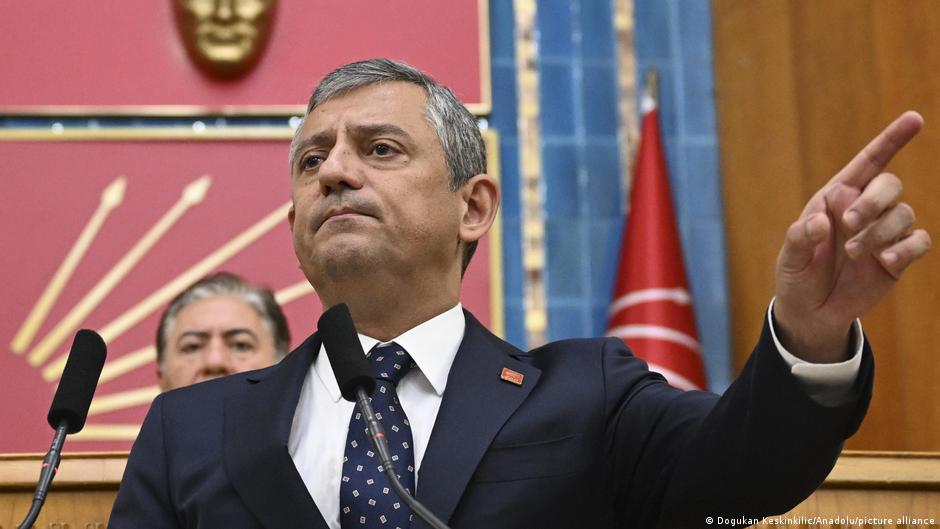
Ozgur Ozel, the former leader of Turkey’s CHP party, has taken a significant step by announcing the creation of a new political party. He describes this move as a landmark moment for democracy in Turkey. Ozel’s dismissal from his previous role was sanctioned by a court decision, which many of his supporters view as an inappropriate judicial action. This new political entity could potentially enhance the opposition’s appeal, reaching out to a diverse cross-section of voters that includes Kurdish populations, Turkish nationalists, and religious conservatives. As early opinion polls hint at considerable support for Ozel’s leadership, his party might serve as a pivotal player in Turkey’s political landscape.
The Formation of a New Political Entity
Ozel’s decision to establish a new party signals a shift in Turkey’s political dynamics. The existing opposition, primarily centered around the CHP, may have struggled to unite various factions and demographics within the electorate. Ozel’s approach is to broaden this appeal and create a coalition that reflects the diverse societal fabric of Turkey. This initiative comes at a critical juncture as citizens express deepening concerns over Turkey’s economic situation, specifically rising inflation and escalating costs of living.
Public Sentiment Amid Economic Struggles
Currently, Turkey is grappling with a significant economic crisis, which has sparked widespread public dissatisfaction. Many citizens are frustrated with the government’s handling of the economy, particularly as the cost of essential goods and services continues to soar. This sentiment may provide fertile ground for Ozel’s new party, as voters seek alternatives to the ruling AKP government led by President Recep Tayyip Erdogan. The populace’s unease could catalyze support for fresh political initiatives that promise change.
Potential Impact on Turkey’s Political Landscape
Should the new political party gain traction, it could mean a more competitive environment for the ruling elite. Ozel’s focus on reaching out to underrepresented groups might not only reshape the opposition but also challenge the status quo. The alignment of Kurdish voters, nationalists, and religious conservatives under a unified banner could complicate Erdogan’s political stronghold. Ultimately, this development may pressure the government to address pressing economic issues more effectively.
Looking Ahead: Challenges and Opportunities
As Ozel embarks on this ambitious journey to reshape Turkey’s political landscape, several challenges lie ahead. Establishing a party platform that resonates with a wide array of constituents without losing the core identity may prove complex. However, the opportunities presented by the current economic situation cannot be overlooked. If Ozel can effectively mobilize those frustrated with the government’s policies, there is a chance for significant political upheaval in Turkey.
In conclusion, Ozgur Ozel’s launch of a new party represents a potentially transformative moment in Turkish politics. With the backdrop of economic discontent and a desire for change, this initiative could play a crucial role in shaping the future trajectory of the nation’s democracy.