
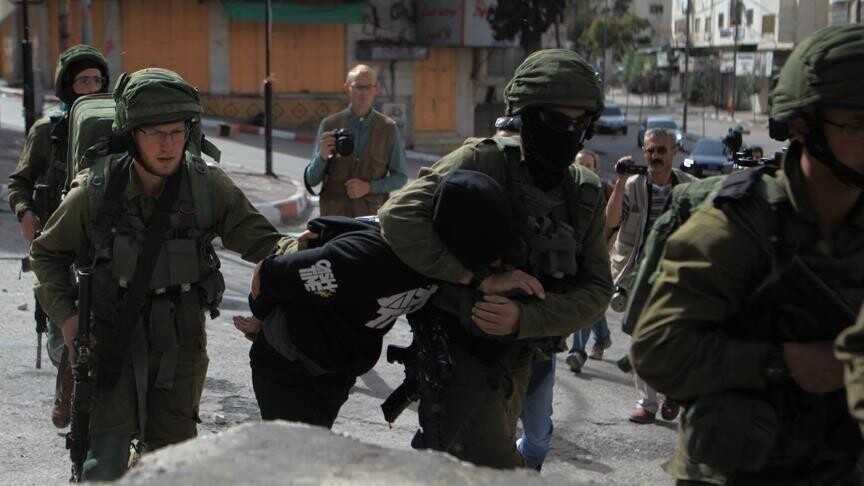
Israeli military activities in the West Bank have created significant tension, particularly in the area surrounding Nablus. Reports indicate that the ongoing siege in Tell has not only affected the local populace but also transformed homes into impromptu interrogation centers. This tactic heightens concerns about human rights violations and the broader implications for peace in the region.
Current Situation in Tell
The siege of Tell near Nablus has escalated in recent weeks, drawing attention from international observers. Israeli forces have intensified their presence, conducting persistent raids into the village. These operations often involve nighttime incursions, which disrupt the daily lives of residents and instill fear in the community. According to Palestinian media outlets, some homes are repurposed as makeshift interrogation sites, where individuals are reportedly subjected to questioning. This practice raises questions about the legal and ethical boundaries of military operations in civilian areas.
Impact on Local Residents
The effects of the siege on civilian life are profound. Families in Tell face numerous challenges, including restricted movement, property damage, and psychological trauma. Parents express concerns about the safety of their children, who are often caught in the turmoil. Reports have surfaced detailing instances of physical altercations between local residents and the military, underscoring the broader context of conflict in the region. The ongoing military actions not only threaten the immediate safety of those residing in Tell but also contribute to a pervasive atmosphere of fear and uncertainty.
International Reaction and Human Rights Concerns
The international community has been closely monitoring the situation in the West Bank, with various human rights organizations calling for an investigation into the tactics used during these military operations. Allegations of human rights abuses in Tell and other areas underline the complexity of the Israeli-Palestinian conflict. The transformation of homes into interrogation centers is particularly troubling, as it violates the sanctity of private spaces and raises ethical questions about military engagement in populated areas. Advocacy groups emphasize that such practices contravene international laws aimed at protecting civilian lives during conflicts.
Prospects for Peace and Future Developments
As tension persists in Tell, discussions regarding peace initiatives remain crucial. The ongoing military actions pose challenges for any potential resolution of the Israeli-Palestinian conflict. Nevertheless, various actors within the international community continue to advocate for dialogue and peaceful negotiations. The situation in Tell could serve as a litmus test for broader strategies aimed at addressing the core grievances that fuel the conflict. For residents, the hope for a return to normalcy is tethered to the broader prospects for peace in the region.
In conclusion, the siege of Tell near Nablus exemplifies the complexities and human costs associated with military actions in civilian areas. While the immediate impacts on local residents are severe, the international response and ongoing calls for dialogue remain critical in shaping the future of this contentious region. As the global community watches closely, the hope for sustainable peace hangs in the balance.