
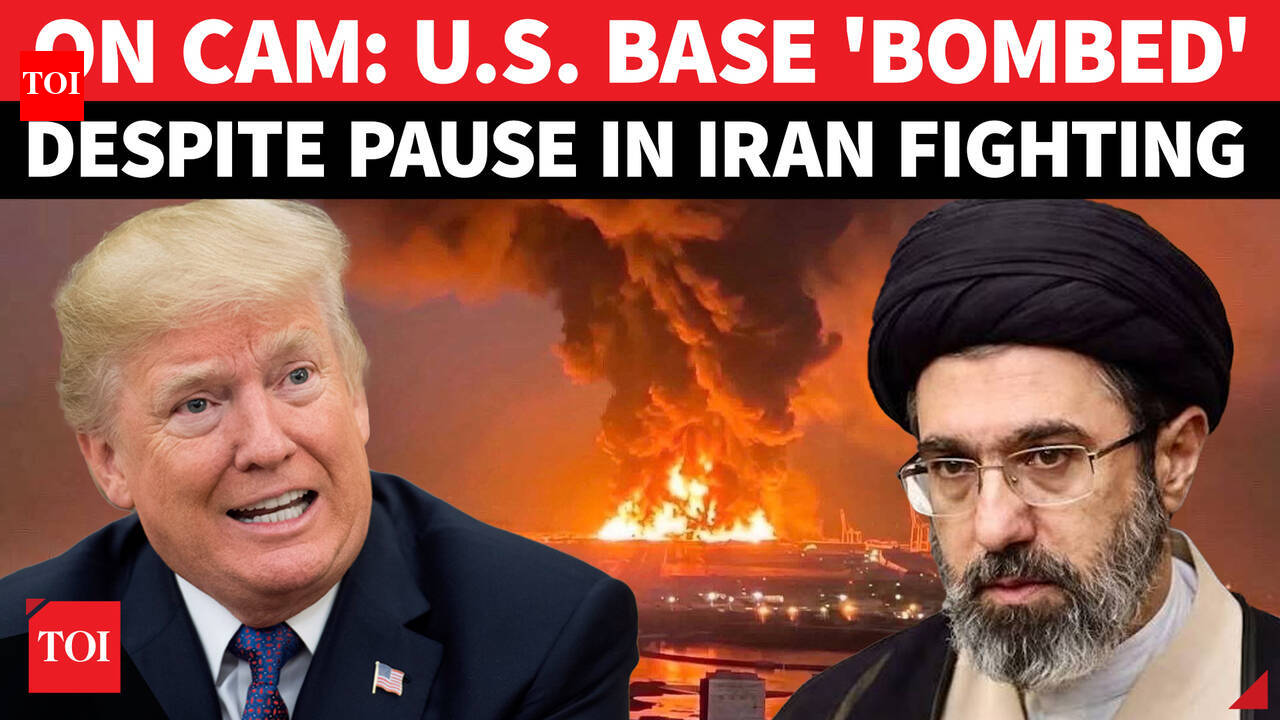
In a critical assessment of U.S. military engagement in the Middle East, Republican Congressman Thomas Massie has confronted President Donald Trump over the ongoing war with Iran. Massie’s recent remarks have sparked renewed discussions on America’s military strategy and its repercussions on national security and domestic priorities.
Massie’s Critique of U.S. Military Involvement
Massie has articulated profound concerns regarding the ramifications of the conflict with Iran, asserting that it has ultimately undermined the United States. He emphasized that the military engagement has led to a depletion of essential resources, a significant increase in national debt, and a diversion from pressing domestic issues. His assertion that the U.S. has incurred these costs “all for Israel” has thrust the debate on Washington’s approach to the Middle East back into the spotlight, challenging the traditional narratives surrounding American foreign policy.
The Impact on Domestic Priorities
The congressman highlighted how the commitment to military operations has hampered the federal government’s ability to address crucial domestic priorities. With national debt soaring and military resources stretched thin, critical areas such as infrastructure, healthcare, and education have taken a backseat. Massie’s viewpoint raises important questions about the sustainability of U.S. foreign engagements and the trade-offs involved in pursuing military action abroad.
Massie’s Legislative Actions
In a notable political stance, Massie has aligned himself with Democratic legislators by voting in favor of a resolution aimed at curbing U.S. military strikes against Iran. This bipartisan move underscores a growing dissent within Congress regarding the continuation of military operations and the need for a reevaluation of America’s role in the region. His actions indicate a willingness to break party lines in pursuit of what he believes to be the best interests of the United States.
Confronting the Legacy of U.S. Foreign Policy
Massie’s remarks prompt a reevaluation of decades of U.S. foreign policy in the Middle East. As the conflict with Iran persists, the broader implications for regional stability and U.S. interests continue to unravel. The dialogue surrounding the true costs of military interventions—financial, human, and political—remains ever-present in policy discussions. Massie’s critiques may not only resonate with those disenchanted with current military strategies but also with a growing contingent of Americans advocating for a more restrained approach in foreign affairs.
In summary, Thomas Massie’s criticisms serve as a pivotal moment in the discourse surrounding U.S. military involvement in Iran. By addressing both the implications on national security and domestic priorities, he sheds light on a critical and often overlooked aspect of American foreign policy. His calls for introspection on military engagements signify a potential shift in how lawmakers approach international relations and national strategy moving forward.