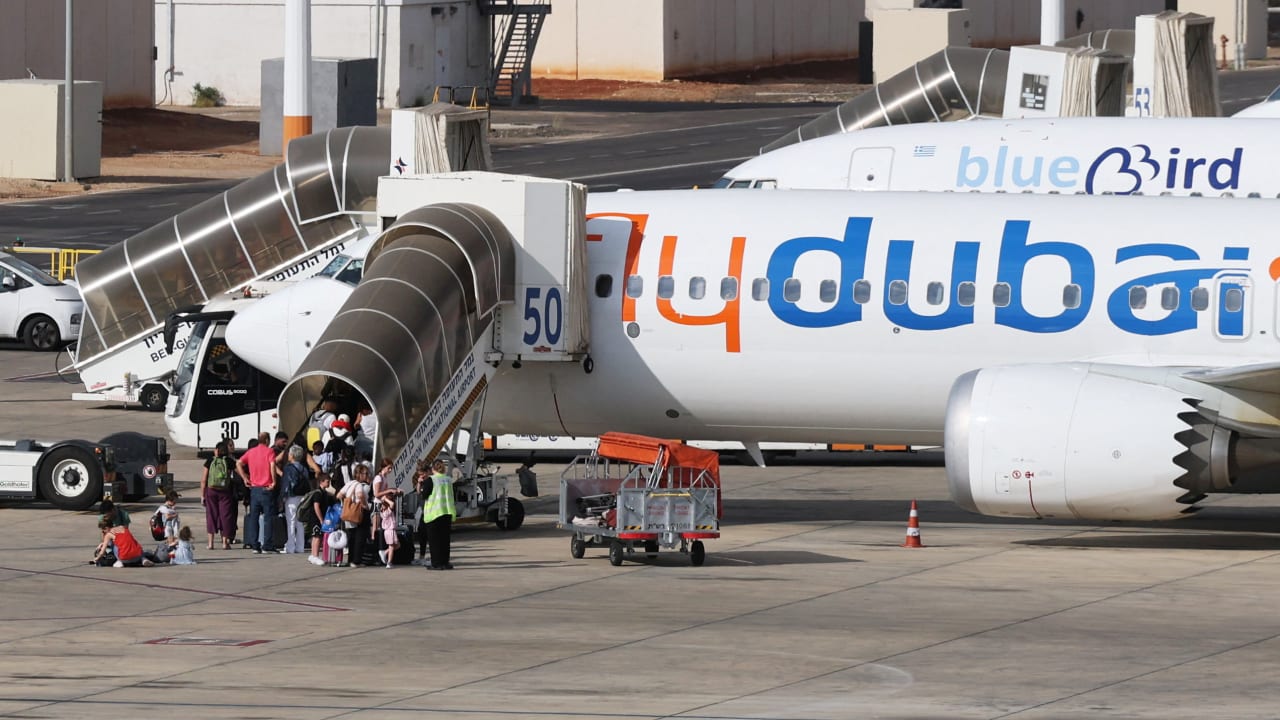
The recent incident involving a flydubai flight emphasizes the transformative dynamics within the Middle East. An Emirati airline carrying Israeli passengers was forced to make an emergency landing in Saudi Arabia amid heightened tensions with Iran. This event quickly became intertwined with the political landscape in Israel, particularly as the country heads into elections centered on national security.
The Unexpected Landing in Saudi Arabia
During the flight’s emergency landing in Tabuk, Saudi Arabia, the Israeli passengers were provided with medical assistance and care despite the absence of formal diplomatic relations between Saudi Arabia and Israel. This incident starkly contrasts previous notions of hostility, suggesting a shift in regional attitudes. After necessary aid was administered, the passengers were later transported back to Israel on another Emirati plane.
This sequence of events is significant, highlighting how far regional cooperation has come. While it’s important to recognize the issues surrounding Saudi Arabia’s refusal to send an Israeli plane for the passengers, the assistance they did provide cannot be overlooked. This cooperation, albeit limited, demonstrates that humanitarian efforts can transcend diplomatic barriers, reflecting a more practical approach in times of crisis.
Implications of the Abraham Accords
The flydubai incident serves as a case study in the context of the Abraham Accords. These agreements have redefined relationships and opened avenues that were previously unimaginable, such as Israeli citizens flying on an Emirati airline. However, while this incident showcases a level of collaboration, it also underscores the underlying political reservations that still dominate the Saudi-Israeli dynamic.
The escalation of tensions in the region is particularly concerning with Iran’s advancing nuclear ambitions. Israeli Prime Minister Benjamin Netanyahu has sought to convey a narrative of strengthened ties with Gulf states amidst these challenges. Reports indicate that during a recent secret meeting with UAE leaders, he focused on regional security threats, showcasing a shared interest among Israel and Gulf states regarding Iranian activities.
Limits to Regional Normalization
While the emergency landing incident offers a glimpse into evolving norms in the region, it also emphasizes the limitations of these relationships. The willingness of Saudi Arabia to offer assistance, without crossing into visible cooperation, indicates prevailing political barriers that remain. The reality illustrates that while political and security collaborations may flourish in private, public normalization remains complicated.
This incident also poses questions about the future of such collaborations. The significance of the flydubai flight goes beyond a mere logistical rescue; it reflects complex geopolitical interests that are now interwoven with humanitarian concerns. As regional threats grow, the necessity for collective actions will likely push these nations to explore further collaboration, even while maintaining a cautious approach to overt normalization.
In summary, the emergency landing of the flydubai flight underscores a complex and evolving narrative in the Middle East. It illustrates the potential for cooperation despite existing barriers while providing a cautionary tale about the ongoing challenges that underpin these relationships. As the region navigates its changing landscape, incidents like these will play a crucial role in shaping the contours of future diplomatic ties.