
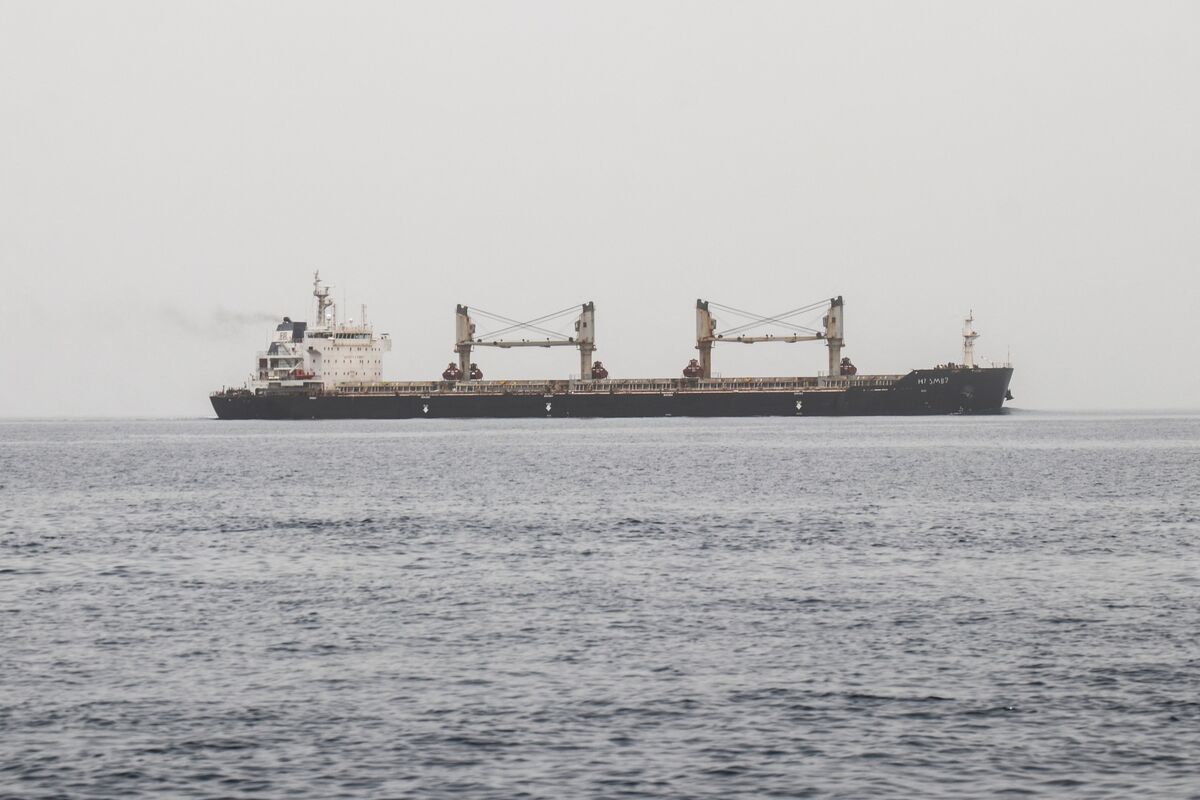
Empty supertankers are making their way to Sidi Kerir, a Mediterranean port in Egypt, to load up with Saudi crude oil. This shift in shipping patterns has emerged as traffic at the Kingdom’s vital Red Sea export facilities has significantly decreased due to escalating threats from Houthi militants.
The Current Landscape of Oil Exports
The situation surrounding Saudi Arabia’s oil exports has grown more complicated in recent months. The Red Sea, traditionally a bustling route for oil shipments, has seen a reduction in activity as concerns about security gather momentum. Houthi rebels, based in Yemen, have increased their activities in the region, targeting oil infrastructure and threatening naval operations. This decline in safe passage has prompted oil companies to seek alternative routes, leading to an uptick in shipments heading towards the Mediterranean.
Impact of Security Threats on the Oil Market
Houthi actions have significant implications for the global oil market, especially considering that the region is crucial for the transportation of crude oil. As fears of attacks linger, price volatility may characterize the energy sector in the coming weeks. With tankers now diverting to collect oil in Egypt, producers are already assessing their logistics and supply chains to adapt to this new reality. Companies reliant on Middle Eastern crude must remain vigilant regarding potential changes in freight costs and delivery times, which could ultimately affect fuel prices worldwide.
Alternative Routes and Their Consequences
The diversion of supertankers to Sidi Kerir signifies a notable change in maritime routes designed to circumvent potential conflict. The Mediterranean is now witnessing an influx of oil shipment activity as these vessels seek safety from the threat posed by Houthi rebels. However, this shift may also place additional pressure on Egyptian infrastructure, necessitating heightened operational readiness at these ports. Furthermore, while the Mediterranean route offers a temporary solution, there are still questions about the long-term viability and costs associated with frequenting these less familiar waterways.
Insights on Future Oil Supply Chains
As changes unfold in the shipping lanes, several energy analysts are closely monitoring the developments to gauge their influence on supply chain dynamics. The situation emphasizes the need for robust contingency planning in the energy sector. Companies should consider diversifying their supply sources while keeping an eye on geopolitical developments that may threaten oil transportation stability. Ultimately, the safety of maritime routes remains paramount, influencing not just local economies but also global energy prices as disruptions in supply could resonate worldwide.
In summary, the situation in the Red Sea appears increasingly precarious due to the threat from Houthi militants. With empty supertankers now moving towards Sidi Kerir for Saudi crude, the oil market stands at a crucial juncture. Stakeholders must stay alert and adapt as new pathways in oil transport emerge, aiming to mitigate risks amid ongoing geopolitical challenges. Understanding both the challenges and the strategic responses of oil producers is essential for forecasting market trends in the volatile energy landscape.