
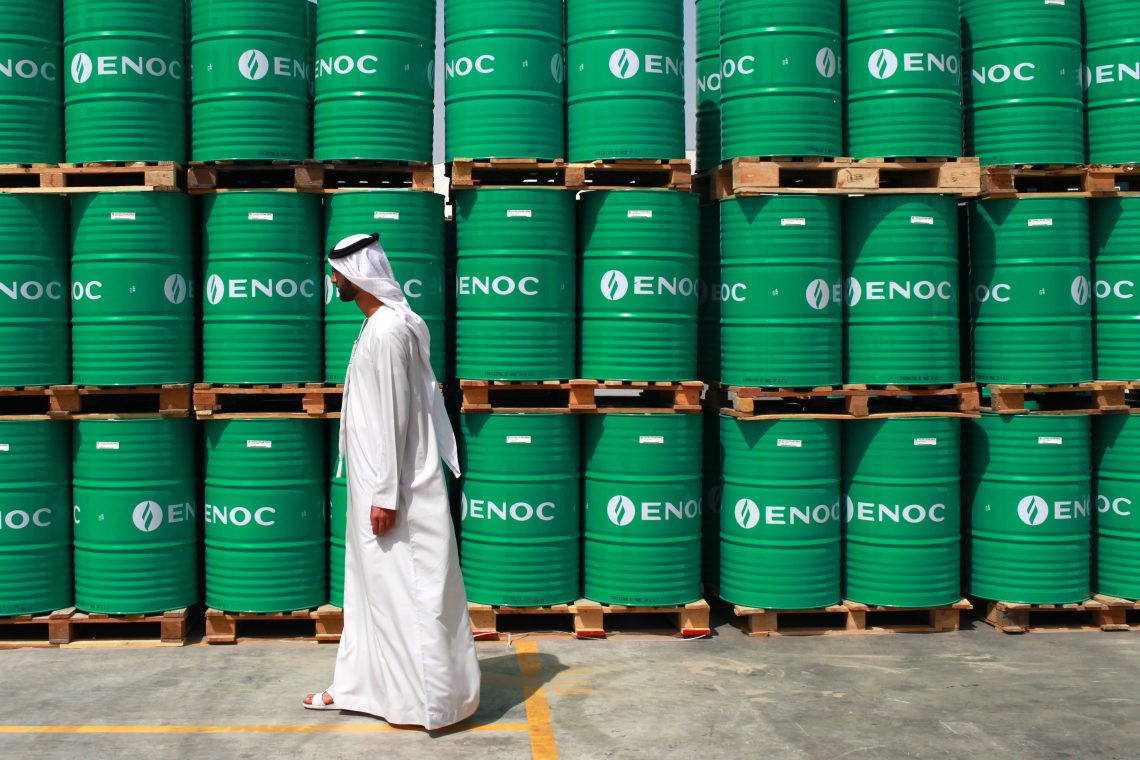
The recent decision by the United Arab Emirates (UAE) to exit the Organization of the Petroleum Exporting Countries (OPEC) has significant implications for the oil market and the balance of power within the organization. This choice underscores the UAE’s ambition to expand its production capacity while navigating a rapidly evolving energy landscape.
Impact of UAE’s Departure on OPEC
The UAE officially announced its withdrawal from OPEC on April 28, 2026, a move effective from May 1, 2026. This decision represents a culmination of years of strategic planning and ambition geared towards increased oil production. Historically, the UAE was the third-largest producer within OPEC, accounting for about 8% of the coalition’s total output. With the UAE’s departure, the production share of Saudi Arabia and Iraq combined could dominate OPEC, shifting the dynamics significantly. This new arrangement may lead to greater pressures on remaining members to adjust production levels while contending with overarching geopolitical tensions and fluctuating oil demands.
Despite the media frenzy following the announcement, the immediate impact on oil markets was minimal. The focus quickly shifted back to pressing geopolitical issues, especially amid ongoing conflicts involving Iran and the United States. This suggests that while the UAE’s exit is crucial, it is overshadowed by broader geopolitical complexities affecting global supply and demand.
The UAE’s Growing Production Ambitions
The UAE’s strategic goals have diverged from OPEC’s output management framework, particularly as the nation sought to ramp up production capabilities. The UAE’s flagship oil company, ADNOC, had ambitious targets, aiming to reach a capacity of 5 million barrels per day by 2027, ahead of OPEC’s more conservative quotas. This misalignment became increasingly apparent as the UAE’s production potential surpassed the limits set by OPEC agreements, creating significant opportunity costs for the UAE as it invested heavily in expanding production capacity.
Over recent years, negotiations to adjust production baselines were insufficient in addressing the disparity between the UAE’s capabilities and its production allowances within OPEC. By the time of its exit, the UAE faced constraints that represented nearly 1.5 million barrels per day of capacity that was prevented from being utilized due to OPEC+ production agreements, the largest shortfall among member countries.
Future Prospects and Market Dynamics
The departure of the UAE not only alters OPEC’s internal dynamics but also signals a shift towards an increasingly competitive oil landscape. With the UAE’s capacity for growth and production, it is positioned to reclaim greater autonomy over its energy policies. In these nuanced market conditions, securing market share becomes paramount as global oil demand continues on an upward trend.
The dynamics among OPEC members are now shifting; while the UAE and other Gulf nations will likely compete for market dominance, they may also find avenues for cooperation—especially regarding infrastructure and export stability. Each member’s unique circumstances will play a significant role in how effectively they can navigate these shifting currents and maintain unity within a competitive framework.
Concluding Thoughts
In conclusion, the UAE’s exit from OPEC highlights the complexities of a rapidly changing global oil market. As the balance of power shifts towards a few major producers, maintaining cohesion among member states will become increasingly challenging. The UAE’s departure demonstrates the tension between national interests and collective agreement and raises crucial questions about the future of OPEC in a world where production capabilities are becoming more diverse and competitive. The overarching challenge for remaining OPEC members will be managing these evolving dynamics while striving for stability in an unpredictable market landscape.