
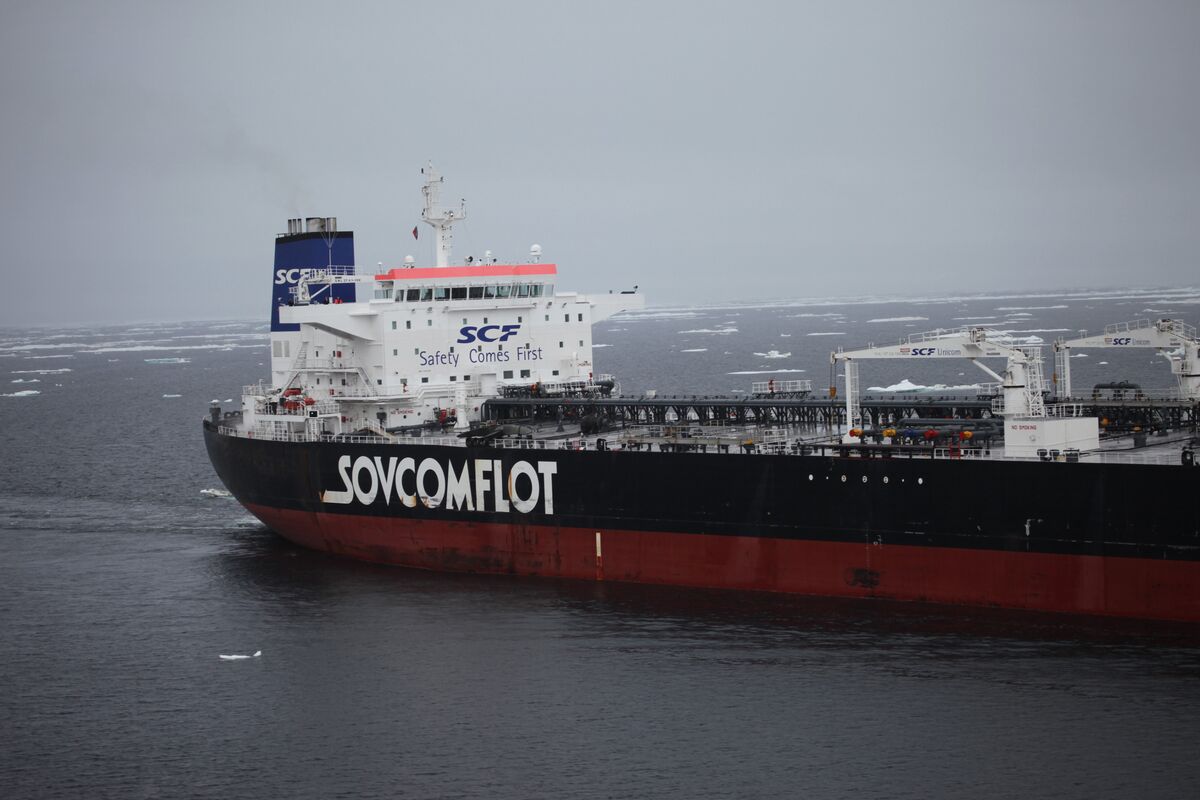
In the latest developments within the global oil market, a significant shift is occurring as tanker routes are adapting to the challenges posed by geopolitics and climate change. This transformation highlights the dynamic nature of oil transportation, particularly with the increasing usage of Arctic routes and diminishing traffic through the Red Sea, particularly affecting Russian crude oil shipments.
The Rise of Arctic Shipping Routes
As climate change continues to impact polar ice levels, Arctic shipping routes are becoming increasingly viable for oil tankers. Reports indicate that at least six tankers are poised to traverse these icy waters, indicating a strategic pivot for oil transport. The Arctic’s potential benefits, such as reduced travel time and lower transportation costs, are attracting more attention from shipping companies and oil producers alike. The melting ice not only opens new pathways but also mitigates traditional shipping delays caused by navigational hazards. As a result, oil stakeholders are eager to explore these Arctic routes as reliable alternatives to conventional pathways.
The Decline of Russian Oil Deliveries via the Red Sea
Concurrently, the geopolitical landscape is having a severe impact on Russian oil shipments, especially through the Red Sea. The traffic has been noticeably reduced due to ongoing tensions and complexities in the region. As Russian crude deliveries to markets like Egypt dwindled, the effects rippled through the Red Sea, raising concerns about the stability of this vital shipping thoroughfare. The decline in oil traffic not only indicates shifts in trade patterns but also signifies broader geopolitical issues that are likely to influence oil prices and supply chains in the coming months.
Implications for Global Oil Supply Chains
The combination of flourishing Arctic routes and the downturn in Red Sea traffic paints a complex picture for the global oil market. The implications of these developments are multifaceted. As Arctic shipping becomes more commonplace, traditional routes may experience a decline in usage, potentially altering established supply lines. Concurrently, the decrease in Russian oil exports could catalyze changes in pricing, as countries adapt to the shifting dynamics caused by reduced supply. Market participants must remain vigilant, as the interplay of these factors will inevitably affect decisions regarding oil procurement, transport logistics, and long-term strategy.
Future Trends in Oil Transportation
Looking ahead, it is essential to consider how these changes may shape future trends in oil transportation. With a greater emphasis on sustainable and efficient transport options, the rise of Arctic routes could accelerate investments in eco-friendly technologies and infrastructure. Conversely, the challenges associated with geopolitical instability in regions like the Middle East will continue to require attention and adaptability from oil companies and governments alike. As these transitions unfold, market participants must assess evolving risks and opportunities that may arise from both environmental challenges and political uncertainties.
In summary, the global oil landscape is undergoing significant transformations driven by climatic conditions and geopolitical tensions. The advent of Arctic shipping routes presents new avenues for oil transport, while diminishing Russian deliveries via the Red Sea reflect broader geopolitical challenges. Stakeholders in the oil industry should remain attentive to these developments as they craft strategies to navigate this rapidly evolving market.