
Introduction to Qatar’s Controversial Role in Global Affairs
Former Israeli Prime Minister Naftali Bennett recently ignited a storm of debate regarding Qatar’s position in international relations. Speaking at a conference hosted by a prominent national security think tank, he stated that if elected, he would swiftly declare Qatar an “enemy state.” Bennett’s comments reflect a broader concern over Qatar’s funding and support for various groups, particularly in light of recent events, making this an increasingly pressing issue in Israel and beyond.
Qatar: A Source of Controversy
Bennett’s remarks framed Qatar as a “violent antisemitic cancer” that somehow influences even Israel’s political landscape. He referenced ongoing legal issues surrounding Netanyahu’s aides, some of whom were allegedly employed by Qatar for public relations while serving in sensitive governmental roles. Qatar’s reaction was swift, denying these allegations and branding Bennett’s statements as disinformation aimed at scoring political points. This ongoing friction raises the question of how a nation can straddle the line between being a political ally and a perceived adversary.
Supporters of Qatar argue that its investments in education, business, and media represent strategic moves from a small yet affluent nation trying to secure its future. Conversely, critics highlight Qatar’s historical backing of terrorist groups like Hamas, raising grave concerns about its role in fostering extremism and antisemitism globally. The situation has intensified following Hamas’s deadly attacks on Israel, compelling many to reevaluate Qatar’s geopolitical impact.
The Role of Academic Institutions in Addressing Antisemitism
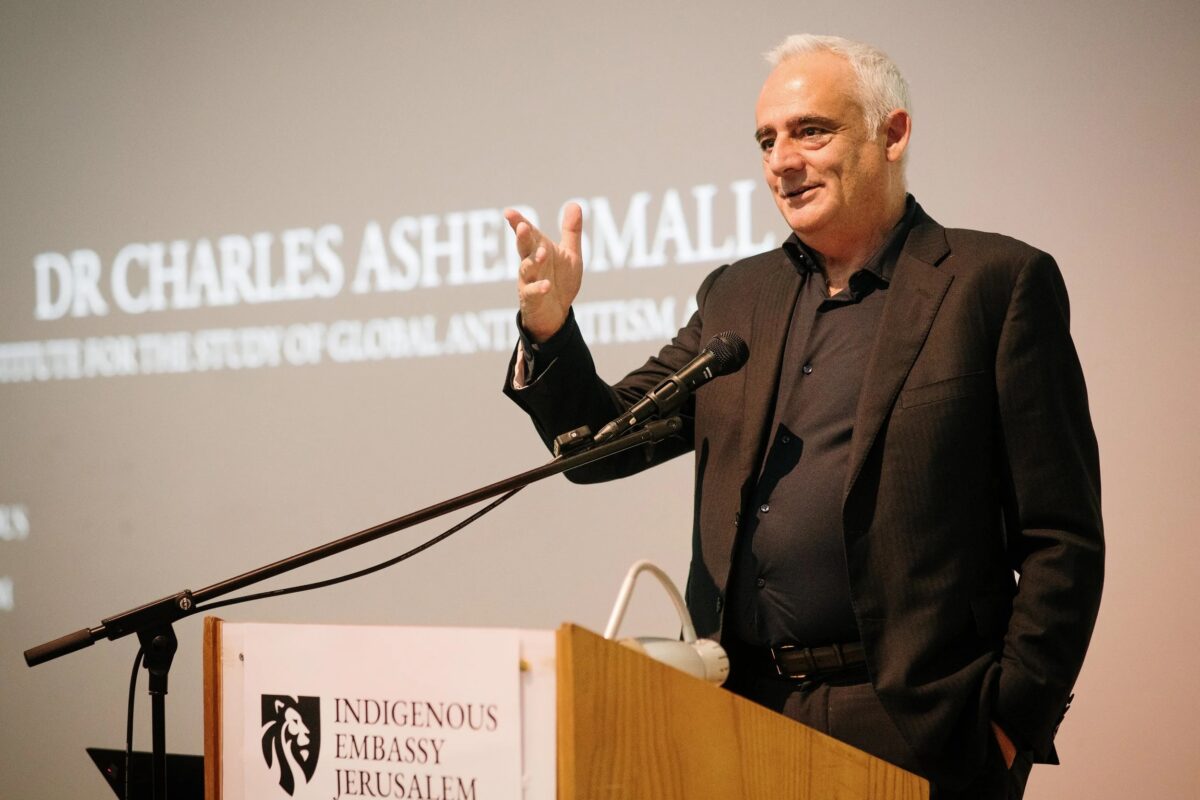
Charles Asher Small, founder of the Institute for the Study of Global Antisemitism and Policy (ISGAP), has expressed strong views on Qatar’s activities, branding it as detrimental to Western interests. In a recent interview, Small discussed ISGAP’s initiatives, which aim to merge academic research with practical policy solutions. The Institute is working on creating a curriculum focused on contemporary antisemitism, emphasizing the necessity of education in combating this issue.
Small cited alarming statistics indicating that American universities receiving Qatari funding experience a staggering 300% increase in instances of antisemitism compared to those that do not. This correlation suggests that financial influence can have severe repercussions, shaping the political and ideological landscapes of academic institutions.
Challenges in Action Against Antisemitism
Despite ISGAP’s accomplishments, such as closing down initiatives funded by Qatar and securing the designation of the Muslim Brotherhood as a terrorist organization, Small acknowledged a grim reality: the fight against antisemitism is escalating on multiple fronts. These challenges are compounded by a fragmented political landscape in the United States, where bipartisan support for dealing with such issues seems increasingly elusive.
The precarious situation highlights the importance of community engagement and the necessity for collaboration among philanthropists, business leaders, and scholars. Small argues that addressing the complexities of antisemitism today requires a multifaceted approach that bridges different sectors of society.
A Call for Unity Against External Threats
As the conversation evolves, experts warn that nations like Qatar, which harbor hostile ideologies, pose a critical threat to Western democracies. The ideological foundation of the Qatari regime is aligned with extremist groups that aim to destabilize nations and promote antisemitism. Small highlights the dire need for a united front to counteract these influences, emphasizing that complacency or denial can have catastrophic consequences.
In conclusion, the discussions surrounding Qatar and its global activities exemplify a larger struggle against antisemitism and extremism. As commentators like Bennett and Small draw attention to these issues, the challenge lies not only in articulating the dangers but in fostering a cohesive strategy to combat them effectively. This dialogue is vital for preserving democratic values and maintaining global security.