
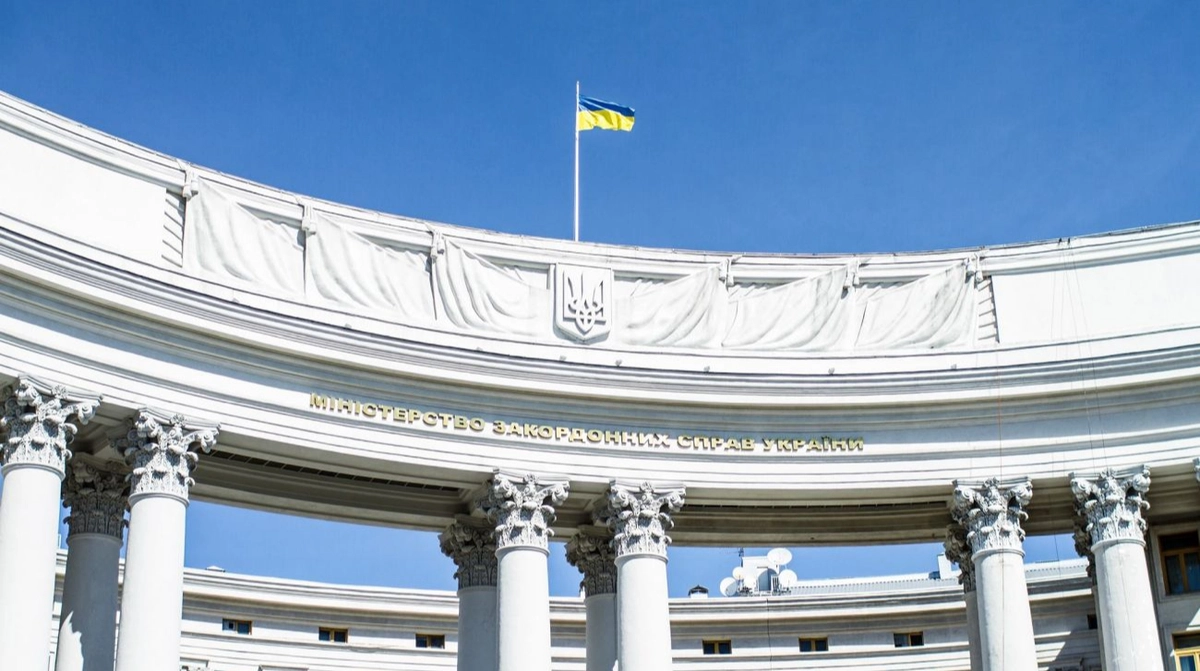
Ukraine’s Foreign Ministry has recently addressed claims made by Iraq’s National Security Adviser, Qasim al-Aboudi, asserting Ukraine’s involvement in attacks on Iraqi soil. The ministry firmly dismissed these accusations as groundless and lacking evidence, emphasizing the need for accurate representation in international discourse.
Denial of Allegations
On July 27, the Iraqi media outlet Shafaq News reported statements from al-Aboudi, who suggested that some attackers apprehended in Iraq admitted to working on behalf of Ukraine. He mentioned these groups targeted various facilities without disclosing specific details. Such claims sparked controversy, as they have the potential to escalate tensions between Ukraine and Iraq. The adviser acknowledged that a full investigation was necessary to ascertain responsibility for the attacks before any formal accusations could be made.
In response, Ukraine’s Foreign Ministry issued a robust denial, characterizing al-Aboudi’s remarks as unfounded and lacking substantial support. They highlighted the absence of factual evidence to underpin these claims, a fact acknowledged by the Iraqi official in the same interview. Moreover, the Ministry pointed out that prior to making such serious allegations, Iraq had not communicated any concerns through diplomatic channels. This omission raised questions about the motivations behind the statements.
Concerns Over Misinformation
The Ministry expressed deep concern over the manner in which these allegations were introduced, labeling it both unacceptable and irresponsible for an official from a friendly country to present such significant accusations without verifying facts. These statements can have lasting implications on diplomatic relations and could further complicate interactions in an already volatile geopolitical landscape.
The Ukrainian government suggested that the allegations might reflect broader narratives promoted by Russia, which aims to undermine Ukraine’s standing in the Middle East. This repetition of Russian propaganda themes raises alarm bells, as it could reflect a strategic effort to disrupt Ukraine’s partnerships in the region. Such tactics could be part of a wider disinformation campaign designed to destabilize international support for Ukraine, further complicating its diplomatic efforts in the Middle East.
The Need for Diplomatic Channels
Emphasizing the importance of proper diplomatic channels, the Foreign Ministry remarked that had there been any credible basis for the accusations, appropriate communication would have been the logical course of action. Instead, Ukrainian officials learned of the claims from a live television broadcast, which they deemed a frustrating departure from usual diplomatic protocol.
Ukrainian officials stressed the importance of truthfulness in international relations, urging allies to engage in transparent dialogue. Miscommunication and hasty allegations can lead to unnecessary conflicts and misunderstandings, which can further erode trust between nations. The ministry remains committed to fostering healthy and constructive relations with Iraq and other nations worldwide.
In conclusion, Ukraine’s Foreign Ministry firmly rejects the baseless assertions made by al-Aboudi regarding supposed Ukrainian activities in Iraq. The ministry not only seeks to protect Ukraine’s image but also aims to navigate carefully through the complexities of international relations, emphasizing the necessity for accurate and responsible communication among nations.