
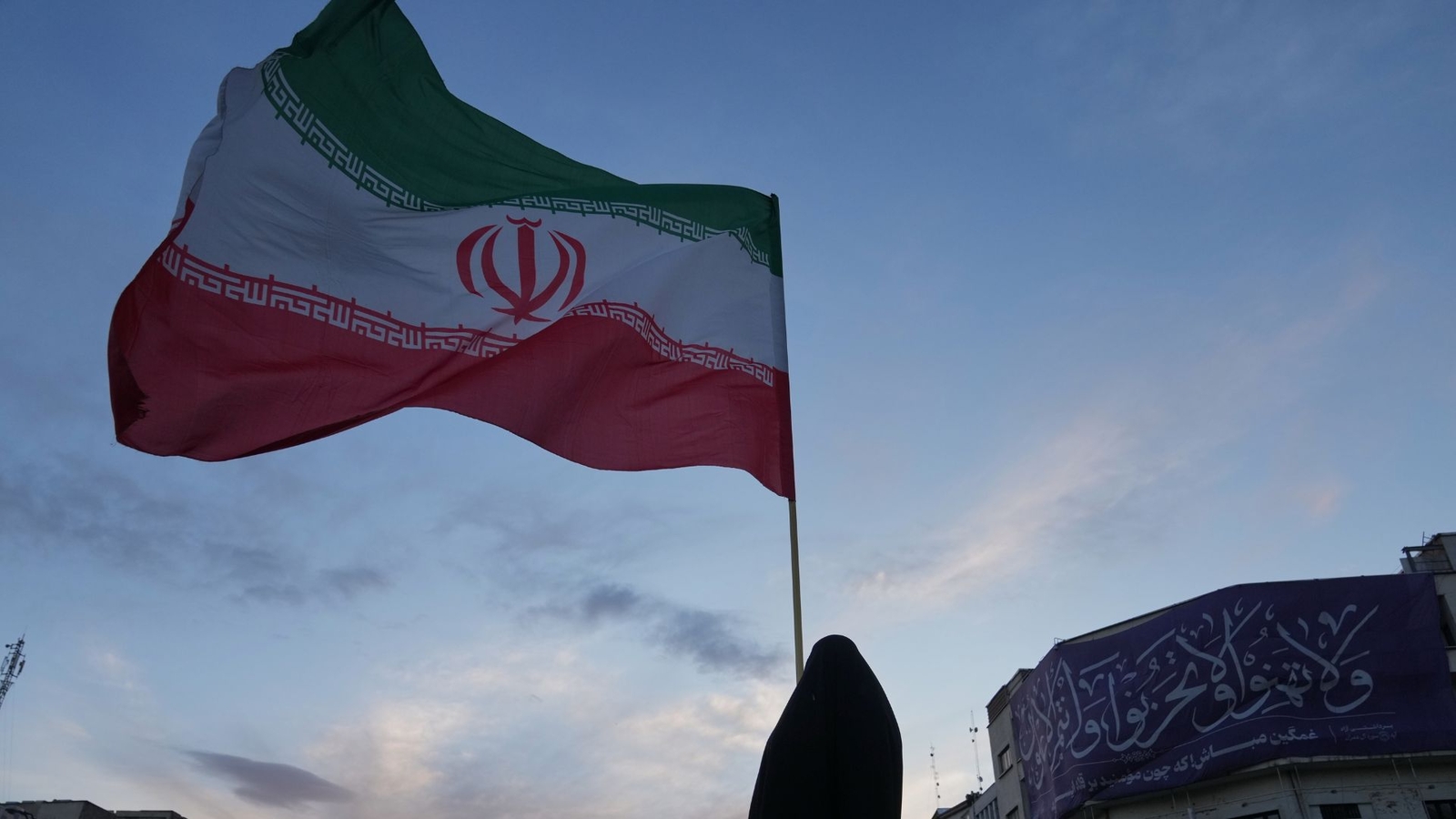
Iran’s recent execution of two men has sparked widespread condemnation and highlighted an ongoing human rights crisis within the country. These men were convicted of killing four police officers during anti-government protests in January, marking a brutal response from the Iranian regime against dissent. The situation underscores the dire circumstances surrounding political dissent and the severe measures employed by the authorities to suppress opposition.
Details of the Executions
On Tuesday, Iranian state media reported that Abdolfazl Sepahi Badjani and Amir Hossein Safari Hosseinabadi were executed by hanging at dawn in Isfahan’s Alikhani Square, the same location where the police officers lost their lives. These two men were part of a group of 14 individuals sentenced to death, with two of them executed earlier in the month. Public executions are not uncommon in Iran, particularly for political prisoners, often conducted in public spaces using cranes mounted on trucks.
The Escalating Use of the Death Penalty
According to the U.S.-based Human Rights Activists News Agency (HRANA), this marks a troubling trend in Iran, where the government has escalated its use of capital punishment to suppress dissent. Since March, at least five protesters have been publicly executed, with HRANA noting a total of 29 public executions in the past five years. Amnesty International has condemned these actions, stating that they represent a greater effort by authorities to stifle dissent through the threat of death. The organization has indicated that around 60 additional individuals are at risk of facing similar fates.
Hebah Morayef, Amnesty International’s regional director, has described these executions as part of a broader strategy to project power and maintain control within the country. The lack of significant pushback from the international community has contributed to the Iranian authorities’ willingness to carry out these acts with impunity.
The Context of the Protests
The unrest in Iran ignited in response to the country’s severe economic crisis, quickly morphing into demands for the removal of Supreme Leader Ayatollah Ali Khamenei. This wave of dissent led to what has been called the deadliest crackdown in the Islamic Republic’s 47-year history. HRANA reported that upwards of 7,000 individuals may have died during this violent suppression, alongside more than 50,000 arrests made in a brief period. The Iranian government has only acknowledged about 3,000 fatalities, while HRANA continues investigating the remaining cases.
At the height of the protests, signs of a swift judicial response from authorities became apparent, with fast-tracked trials and executions looming as a potential consequence for participants.
Concerns Among Families of the Accused
Families of those currently imprisoned have voiced significant concern, especially following Tuesday’s executions. Reports indicate that the bodies of Badjani and Hosseinabadi have not been returned to their relatives, while others accused in the same case have gathered outside a prison in Isfahan, anxious for news of their loved ones. Meanwhile, official statements suggest that these executed men were also involved in additional criminal activities, including arson against public buildings.
Rights activists continue to raise alarms about political prisoners in Iran facing unjust trials, often characterized by a lack of transparency and due process. Many of these verdicts are groundlessly based on coerced confessions, extracted through methods of torture. As international attention grows, so does the question of how the Iranian regime will respond to increased scrutiny regarding human rights violations.