
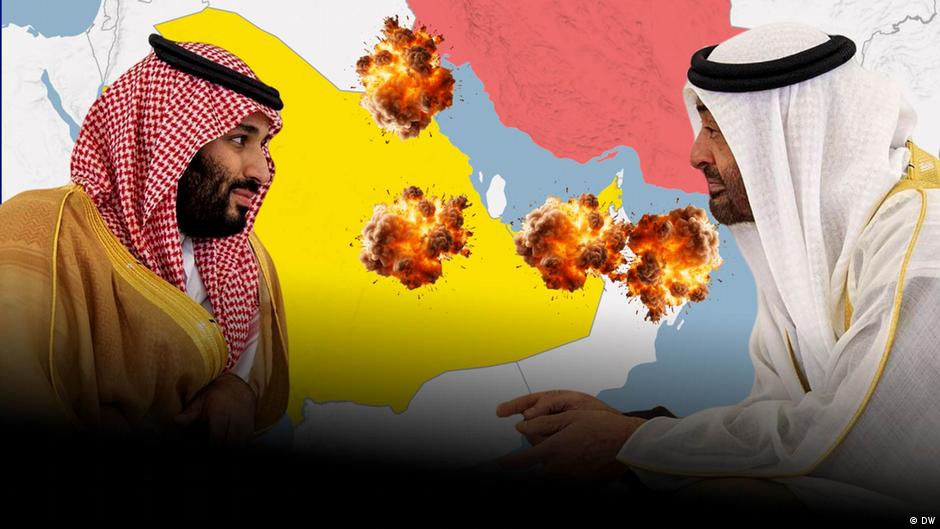
Saudi Arabia and the United States have made headlines with their new nuclear agreement, which is poised to significantly alter the geopolitical landscape of the Gulf region. This substantial arrangement aims to develop a civilian nuclear program in Saudi Arabia, backed by American companies, but it brings with it a host of concerns and criticisms that could have far-reaching implications.
Potential Risks of the Nuclear Agreement
While the partnership promises technological advancements and economic benefits, critics are increasingly worried about the possibility of Saudi Arabia pursuing nuclear weapons capabilities. The fear is that this deal may trigger a nuclear arms race among Gulf nations, especially given the region’s already tense political atmosphere. Nations like Iran, which have a complicated history with both Saudi Arabia and the United States, may interpret this deal as a direct threat. The resulting tension could create instability, prompting neighboring countries to also pursue similar nuclear programs in an effort to safeguard their own national security.
The Escalating Rivalry in the Gulf
This nuclear cooperation agreement comes at a time when rivalries in the Gulf are intensifying. While Saudi Arabia focuses on establishing its nuclear capabilities, the United Arab Emirates (UAE) has already entered into a lesser nuclear agreement with the US. The contrasting approaches of these two influential nations are likely to exacerbate existing tensions. Once allies, Saudi Crown Prince Mohammed bin Salman (MbS) and UAE President Mohammed bin Zayed (MbZ) now find themselves in a competitive race for regional dominance. This shift in dynamics could further endanger delicate diplomatic relationships in the area.
The Context of Regional Tensions
The context in which this nuclear deal emerges is also critical. Periodic confrontations, including attacks attributed to Iran, have heightened the stakes in the region. The ongoing tension, often tied to the larger backdrop of the US-Israeli conflict with Iran, has ignited fears of escalating hostilities. As both Saudi Arabia and the UAE bolster their military and technological capacities, they may inadvertently deepen their animosities and set the stage for conflict. The deal not only highlights the complexities of Middle Eastern politics but also underscores the precarious balance of power in the region.
Looking Ahead: Implications for the Gulf Region
As this landmark nuclear deal unfolds, it will be crucial for both regional and international stakeholders to monitor its implications closely. Should the agreement lead to further military developments, it could reshape not only Saudi Arabia’s stance in the Gulf but also influence the strategic calculations of neighboring countries. The potential for a nuclear arms race is a significant concern that demands immediate attention. The international community must engage in constructive dialogue to mitigate risks and ensure that the focus remains on peaceful coexistence rather than an escalating arms buildup.
In summary, while the nuclear deal between Saudi Arabia and the US heralds a new chapter in the region’s energy landscape, it equally poses serious existential questions. The growing rivalry between Saudi Arabia and the UAE, combined with external pressures such as Iran’s aggressive posture, makes this arrangement a double-edged sword. How the countries navigate this complex arena will determine not just their futures but also the broader stability of the Gulf.