
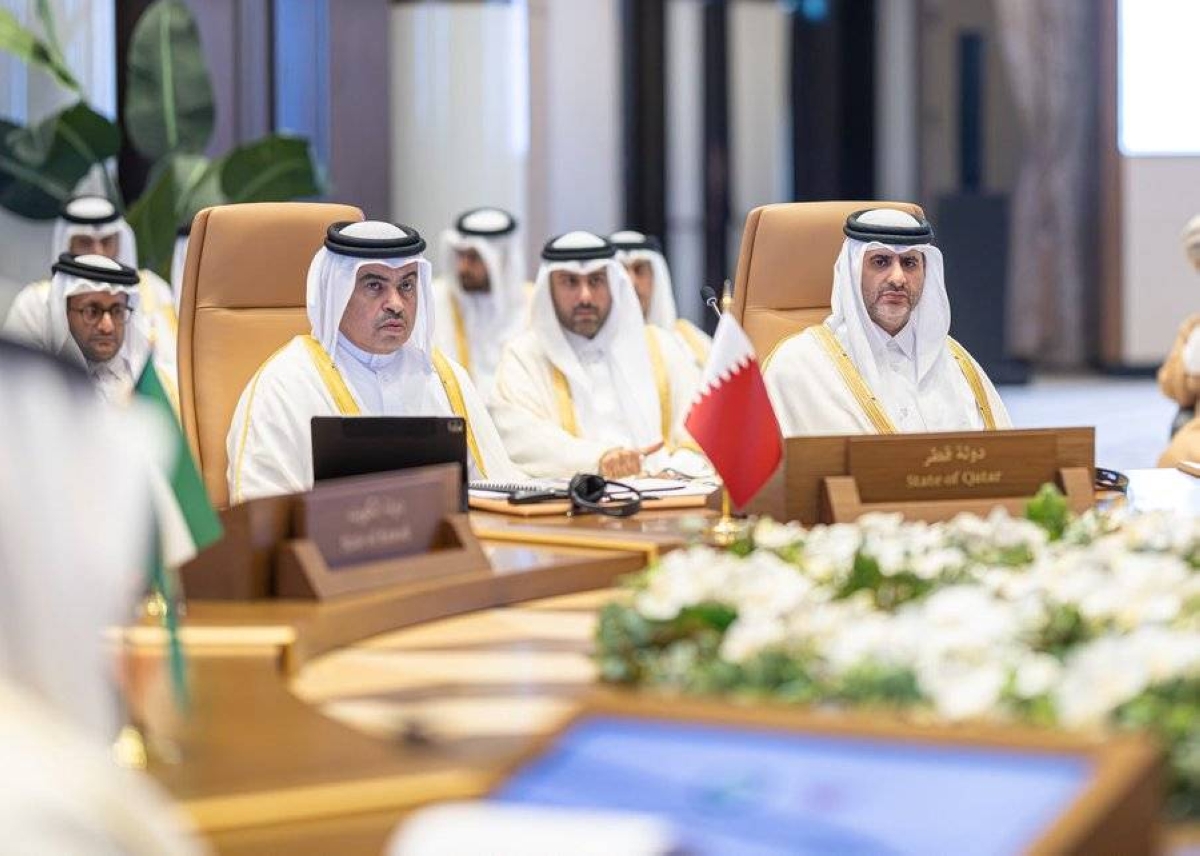
The recent joint meeting of the Gulf Cooperation Council (GCC) Ministers of Finance and Central Bank Governors, held in Manama, Bahrain, showcased the collaborative spirit of the region in addressing pressing economic challenges. Qatar was represented at the meeting by HE Minister of Finance Ali bin Ahmed Al Kuwari and HE Governor of the Qatar Central Bank, Sheikh Bandar bin Mohammed bin Saoud Al-Thani. The discussions revolved around the economic outlook for GCC nations amidst current geopolitical tensions.
Economic Outlook for GCC Countries
The meeting underscored the importance of evaluating the economic conditions and future projections for GCC countries. Attendees recognized the growing uncertainties stemming from geopolitical developments affecting the region. The conversation highlighted the need to adapt policy priorities and respond effectively to external economic shocks that may jeopardize the stability of Gulf economies.
Addressing these concerns, the officials explored strategies for enhancing economic resilience while focusing on sustainable growth. The discussions pointed to the necessity of forward-thinking policies that can withstand external pressures, aiming to foster a robust financial environment across the GCC.
Strategies for Economic Diversification
An integral part of the discussions involved the promotion of economic diversification within the Gulf states. The meeting emphasized the significance of reducing over-reliance on oil and gas revenues and advancing initiatives that support robust, private sector-led growth. This approach aligns with broader economic strategies aimed at job creation and enhancing the overall competitiveness of Gulf economies.
Qatar’s Minister of Finance stressed that the prevailing economic challenges should be viewed as an impetus for increased regional cooperation and integration. By diversifying economic activities, GCC states can mitigate risks and adapt more swiftly to changing global markets. Investments in technology, infrastructure, and innovation were identified as key areas for future growth.
Cooperation with International Institutions
During the meeting, Minister Al Kuwari expressed appreciation for the International Monetary Fund’s (IMF) efforts to evaluate the economic ramifications of recent developments and provide future forecasts. The collaboration with the IMF is vital for reinforcing economic and financial stability in the region. The officials underscored the importance of maintaining ongoing dialogue and cooperative engagements with international institutions to effectively navigate these challenging times.
This strategic partnership allows the GCC states to leverage expertise and resources to better prepare for economic disturbances, ultimately contributing to the region’s sustainable development goals. Through shared knowledge and collaborative frameworks, the Gulf nations aim to enhance their stability and resilience in the face of global economic challenges.
In conclusion, the recent meeting was a clarity-inducing session for the GCC nations, focused on addressing both immediate and long-term economic issues. The continued commitment to cooperation among these nations, coupled with strategic diversification and partnerships with international bodies, sets a promising trajectory for the economic future of the Gulf region.