
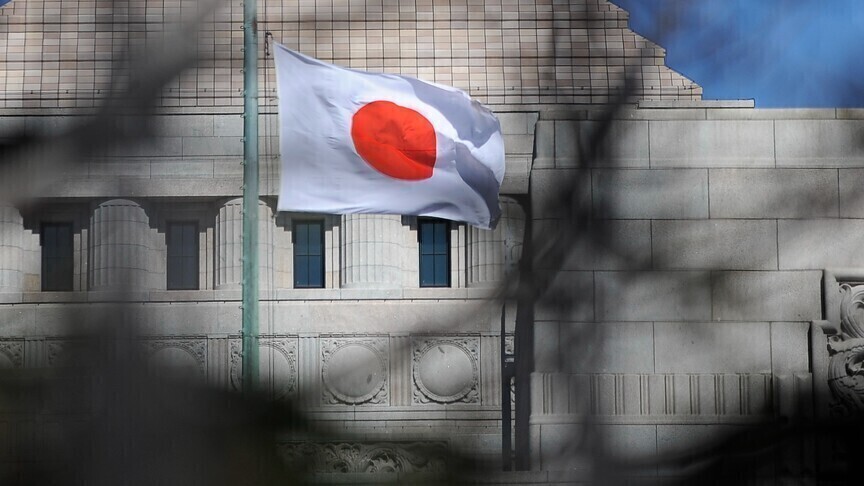
Japan recently called on Iran to demonstrate “maximum flexibility” in diplomatic efforts aimed at resolving the ongoing conflict between the United States and Iran. This plea was articulated during a phone conversation between Japanese Foreign Minister Toshimitsu Motegi and his Iranian counterpart Abbas Araghchi, according to a statement released by Japan’s Foreign Ministry. Japan’s involvement underscores its commitment to promoting peace and stability in a volatile region.
Diplomatic Engagement and Recent Developments
Motegi noted that indirect talks between the U.S. and Iran had been ongoing since the previous week. These discussions took place in Qatar, coinciding with the 81st session of the United Nations General Assembly held in New York. The continuous dialogue indicates a willingness from both parties to engage, despite the complexities of their relationship. Japan has taken a proactive role in these efforts, highlighting its determination to facilitate diplomatic resolutions to the tensions affecting the region.
Japan’s Consistent Efforts for Stability
The Japanese Foreign Minister emphasized the importance of collective efforts to de-escalate tensions and urged for diplomatic action to restore stability. Motegi expressed Japan’s desire to create momentum for diplomacy among involved nations, indicating that a collaborative approach could yield effective outcomes. He further articulated the necessity of maintaining free navigation through strategic waterways, such as the Strait of Hormuz and the Bab el-Mandeb Strait, critical channels for global energy supplies.
During the recent maritime cooperation meeting at the U.N., Motegi stressed the need for discussions involving the entire international community concerning the future of these vital routes. He advocated for constructive responses from Iran, highlighting that restoring safe navigation is paramount for both regional and global stability.
The Current State of Conflict
The escalating conflict has roots in the military actions taken by the U.S. and Israel against Iran, which officially commenced on February 28. In retaliation, Iran engaged in missile and drone strikes across various regions while effectively closing the Strait of Hormuz, thus impacting energy supply routes significantly. Concurrently, the Pentagon has enacted a military blockade of Iranian ports, further complicating the situation.
Efforts to reach a ceasefire have been ongoing, particularly since the Islamabad memorandum of understanding, which was initiated on June 18. This accord seeks to establish a framework for a comprehensive peace deal that encompasses key issues such as navigation in strategic waterways and Iran’s nuclear ambitions. The trajectory of these discussions will be closely monitored as international stakeholders seek to mitigate the persistent threats associated with this conflict.
In summary, Japan’s appeal for Iranian flexibility is a crucial development in the ongoing U.S.-Iran dispute. As indirect talks continue and the situation evolves, the focus remains on achieving a diplomatic resolution that ensures both regional stability and the safety of crucial maritime passages. Through collaboration with international partners, Japan is positioning itself as a mediator in efforts to resolve this ongoing conflict and foster a more secure environment for all parties involved.