
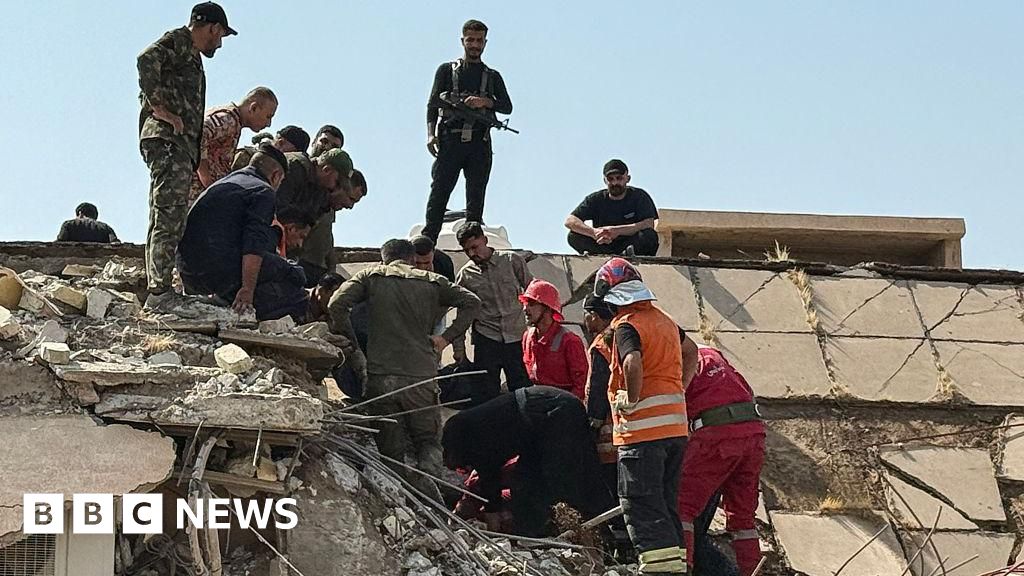
On Wednesday morning, the Popular Mobilization Forces (PMF) issued a statement reporting substantial casualties from recent airstrikes carried out by US-Saudi coalition forces. These strikes particularly targeted several of the PMF’s strategic locations across multiple provinces.
Details of the Casualties
The PMF revealed that at least 20 of its members lost their lives in the operations, while 32 others sustained injuries. This announcement underscores the ongoing conflict and tensions in the region, reflecting the complexities of military engagements involving various actors. The strikes impacted headquarters situated in key provinces, including Baghdad, Wasit, Nineveh, Basra, Kirkuk, Karbala, and Diyala, marking a significant escalation in hostilities.
Strategic Implications for the PMF
The loss of personnel and infrastructure poses a serious challenge for the PMF, a coalition of militias that plays a pivotal role in Iraq’s military landscape. With strained resources and diminished morale, their ability to operate effectively in the field may be significantly compromised. These developments could lead to a re-evaluation of strategies and alliances within the group as they seek to adapt to the changing battlefield dynamics created by ongoing foreign airstrikes.
Broader Context of the Conflict
The strikes illustrate the ongoing geopolitical tensions in the Middle East. The involvement of foreign powers complicates the internal struggles within Iraq, raising questions about sovereignty and the future of local governance. While the PMF has been instrumental in combating ISIS, it now faces challenges from external forces, which may reshape the power dynamics and lead to further instability in the region.
Response from the PMF and Future Outlook
In light of these attacks, one can anticipate a robust response from the PMF and potentially an increase in retaliatory actions against the US-Saudi coalition. The coalition’s tactics may provoke further resentment among local populations, potentially fueling more significant recruitment for militant factions. As such, the consequences of these strikes extend beyond immediate military losses; they may also influence public sentiment and future operational capabilities of the PMF. With the situation still evolving, the potential for a more extensive conflict remains a significant concern for both local and international stakeholders watching the situation unfold.