
Recent escalations in the Middle East have led to significant events that are shaping the geopolitical landscape, particularly concerning U.S.-Iran relations. A series of military actions, including strikes and missile launches, have heightened tensions in the region, prompting responses from various parties involved.
U.S. Airstrikes Near Iraq Border
Iranian state-run media reported that the U.S. military targeted a location in the Piranshahr border area, close to Iraq. According to these reports, the attack was part of ongoing military operations. Officials from Iran’s West Azerbaijan province stated that the U.S. airstrikes hit an uninhabited area, resulting in no casualties. This action follows statements from U.S. Central Command, which confirmed coordinated strikes between U.S. and Saudi forces against Iranian-affiliated groups in Iraq.
The situation marks another development in the increasingly fraught interactions between the U.S. and Iranian forces, showcasing the complex dynamics at play in this volatile region.
U.S. Military Cautions Troops
In light of these recent conflicts, U.S. military leadership has issued warnings to troops regarding the sharing of sensitive information, particularly concerning social media posts that may give insights into military operations. Admiral Brad Cooper, the commander of U.S. Central Command, highlighted the potential risks associated with sharing videos that could assist Iran in targeting American bases. He emphasized the importance of operational security and urged forces to be vigilant in safeguarding sensitive information.
Reportedly, some troops in Jordan have been informed that their cellphones could be confiscated to mitigate these risks. This caution underscores the significance of information security in modern warfare, where open-source intelligence can have dire consequences.
Surge in Oil Prices Amidst Conflict
The recent spike in conflict has also affected global oil prices. After a brief period of stability, Brent crude saw a substantial rise of 3.3%, reaching approximately $85 per barrel. The increase followed heightened military actions surrounding the strategic Strait of Hormuz, which is crucial for global oil transportation. This uptick reflects not just geopolitical instability but also market reactions to the potential disruptions that such conflicts could cause.
U.S. crude also experienced a boost, climbing 3.4% to $81.93 per barrel. Analysts are closely monitoring how ongoing military actions could further impact the oil market, as indications of conflict tend to create fluctuations in prices.
Claims from Iran-backed Militias
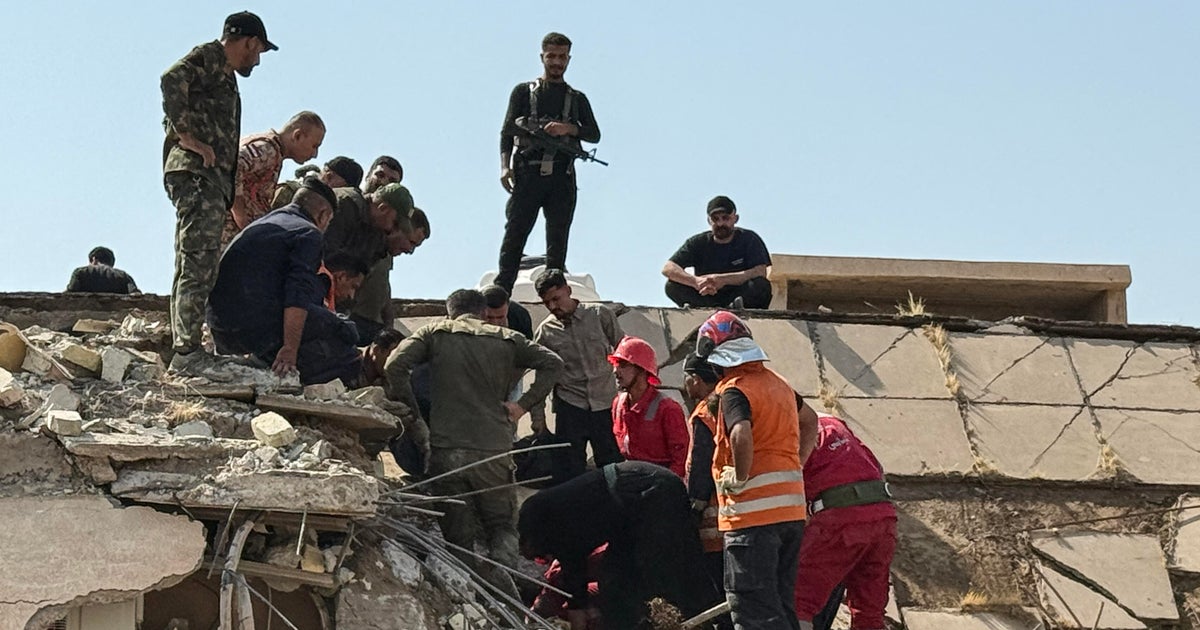
Following recent airstrikes, Iranian-affiliated groups in Iraq claimed significant casualties. The Popular Mobilisation Forces reported that at least 20 of their fighters were killed in the latest U.S.-Saudi attacks targeted at their logistical and weapons sites. These operations were framed by Saudi Arabia as necessary acts of self-defense, stating they were in response to prior threats and attacks by these militias.
The ramifications of these claims, coupled with ongoing military responses, could further exacerbate tensions in the already volatile sector of the Middle East. Both the U.S. and Saudi Arabia expressed determination to protect their assets and personnel against Iranian aggression, recognizing the necessity of maintaining defensive postures in regard to these attacks.
In summary, the recent military activities in the Middle East not only demonstrate mounting geopolitical tensions but also have significant implications for international markets and security strategies. As events unfold, the global community will continue to observe the influencing factors surrounding U.S.-Iran relations and their broader regional impact.