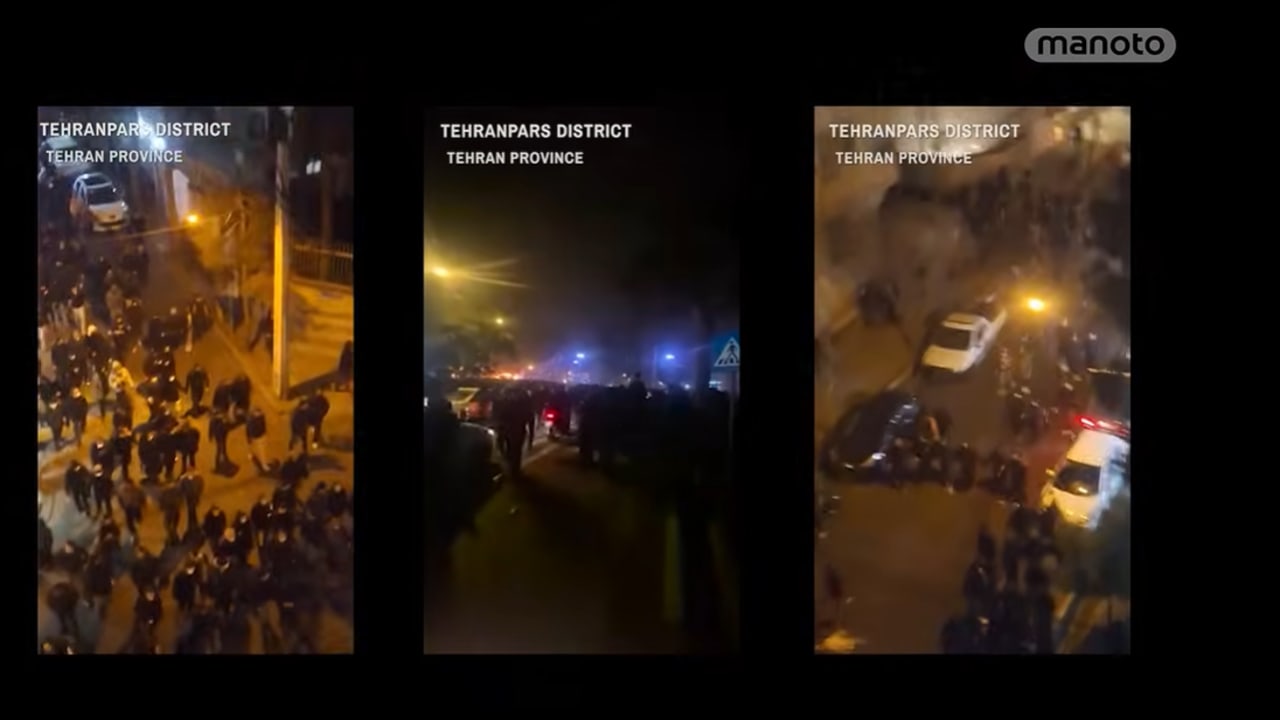
Amid the ongoing global discourse on human rights, a recent documentary titled This Is Our Story sheds light on the significant unrest in Iran, particularly focusing on the January uprising. Nine months after this pivotal moment, Iranian President Masoud Pezeshkian shared his narrative during an interview in the context of the United Nations General Assembly. While he cited official reports claiming around 3,000 deaths during the protests, independent sources have insinuated that this figure is drastically lower than the actual toll, igniting debates about credibility and accountability in the information provided.
Counter-Narratives from Officials
Pezeshkian’s statements included a dismissal of reports suggesting higher casualty numbers, attributing the protests to “armed instigators” and calling the unrest a “firepower of the rioters.” His rhetoric echoed that of previous Iranian leaders, like former Supreme Leader Ali Khamenei, who labeled demonstrators as “mercenaries for foreigners.” Such narratives are pertinent in understanding the state’s efforts to shape public perception by framing protests as foreign-influenced disruptions rather than expressions of domestic dissent.
Yet, beyond the official narrative, the voices of those who lived through the uprising present a stark contrast. Social media and citizen videos capture real-time footage from the streets, revealing the deep-rooted grievances over economic instability, political repression, and increasing desperation among the populace. These recordings bring humanity to the numbers being debated and testify to the emotional and physical turmoil experienced during this tumultuous period.
The Power of Citizen Journalism
The essence of This Is Our Story lies in its collection of these citizen-recorded moments, presenting a narrative distinct from that of state-controlled media. As the January protests unfolded, ordinary Iranians took to their phones, documenting their fears and frustrations. The footage reflects not only the immediate chaos of protests but also shifting sentiments, moving from economic complaints to calls for regime change. The documentary encapsulates the trajectory of anger that morphed into a robust opposition against the Islamic Republic.
Amid the upheaval, reports emerged of a communications blackout imposed by the Iranian government, aimed at stifling outside awareness of the situation. Despite this, the citizens of Iran persisted in capturing their struggles. Scenes of violence, desperation, and heartbreak unfold, and the lack of traditional news coverage means the story is primarily told through the eyes of those who were there.
Challenges in Assessing Losses
While governmental figures cite approximately 3,000 deaths, human rights organizations provide considerably higher estimates. Many families faced the harrowing task of identifying loved ones among the deceased. The concealment of actual casualties raises questions about the accountability of the Iranian regime. The documentary serves as poignant evidence, illustrating how the authorities’ violent responses culminated in widespread tragedy, confirmed by documented evidence of unlawful killings.
As the film draws to a close, it emphasizes that the stories of those lost extend beyond mere statistics; they reflect the struggles and the fight for dignity faced by everyday Iranians. This documentation is not just an archive of the past but a testament to the resilience of a society that refuses to be silenced.
Ultimately, This Is Our Story provides essential insight into the ongoing human rights challenges in Iran, laying bare the realities overlooked by official statements. It challenges viewers to comprehend not just the number of lives lost but the deeper stories of struggle, courage, and the yearning for justice. Through citizen journalism, the documentary preserves the raw emotions and stark realities of an uprising that has been inscribed into the fabric of Iran’s modern history.