
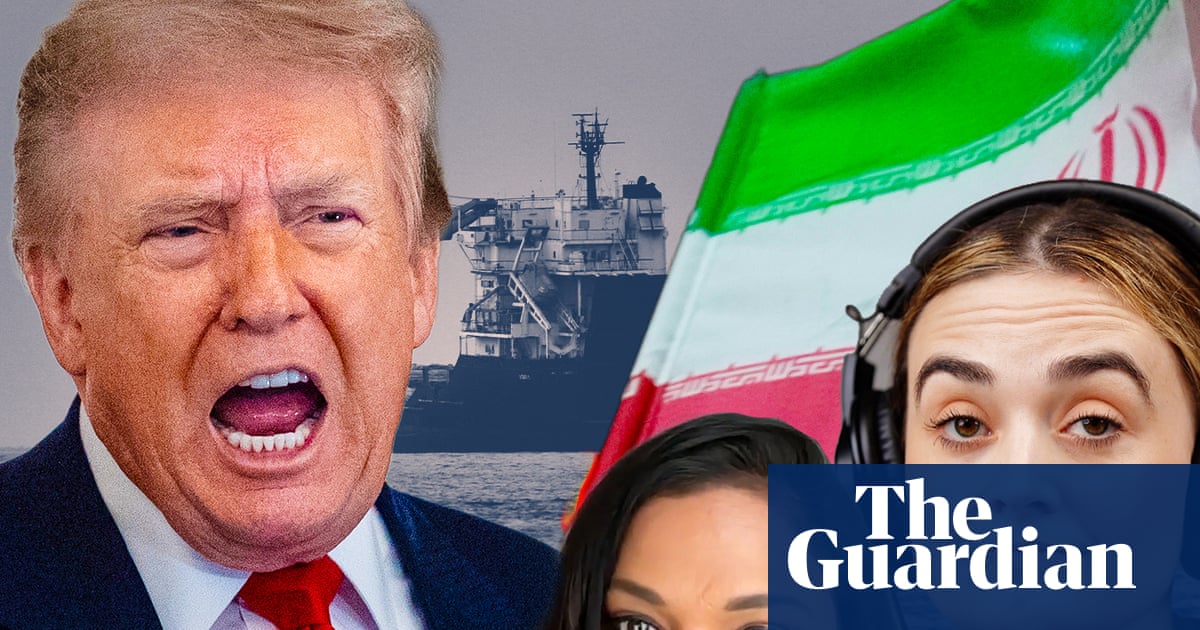
The ongoing conflict between the United States and Iran has escalated once again, with airstrikes resulting in the deaths of at least 20 members of Iraq’s popular mobilization force. This resurgence of hostilities marks a significant development in a five-month-long confrontation that shows no signs of resolution. Analysts express growing concern that the recent increase in violence is steering the Middle East into unknown and potentially perilous territory.
Resurgence of Hostility
The recent airstrikes illustrate a troubling trend in U.S.-Iran relations. After a temporary lull in combat, tensions have reignited, raising alarms among international observers. The targeted strikes are not just a continuation of past hostilities but signify a dangerous escalation that could have widespread consequences for regional stability. The complexity of alliances in the Middle East further exacerbates this situation, as various factions and external powers weigh in on the conflict.
Impact on Regional Security
The ramifications of this renewed conflict extend well beyond U.S.-Iran relations, impacting numerous countries in the region. Iraq, already weakened by years of violence, is now a battleground for foreign powers, with its popular mobilization forces caught in the crossfire. This dynamic not only destabilizes Iraq but also affects neighboring nations, as they navigate their own relationships with both the U.S. and Iran. Analysts warn that the escalation might encourage extremist groups, complicating efforts toward long-term peace and security in the region.
Questioning the Future
As the violence continues, a critical question emerges: Is this a forever war? This notion resonates deeply not only among policymakers but also among the general public, as the protracted nature of such conflicts often creates an atmosphere of uncertainty and fear. Many worry that without a clear strategy for de-escalation, the situation could persist indefinitely, trapping the U.S. and its allies in a cycle of retaliation and violence. The prospects for diplomatic resolutions seem increasingly dim, underscoring the urgency for a re-evaluation of strategies in dealing with such complex geopolitical issues.
Perspectives from Experts
To make sense of the situation, experts like Carter Sherman, Julian Borger, and Deepa Parent offer insights into the complicated web of relationships driving this conflict. Their analysis is crucial for understanding not just the immediate effects but also the long-term implications of continued military actions. As tensions rise, it is essential to consider various perspectives, including humanitarian concerns, the role of international law, and the possibility for dialogue.
In summary, the renewed hostilities between the U.S. and Iran highlight a perilous and intricate situation in the Middle East. With airstrikes and violence reigniting, the region seems poised on the brink of further turmoil. Concerns about a prolonged conflict underline the necessity for thoughtful discourse and strategic planning to seek resolutions that promote peace and stability in a region long characterized by strife. Whether this cycle can be broken remains to be seen, but the need for comprehensive strategies has never been more pressing.