
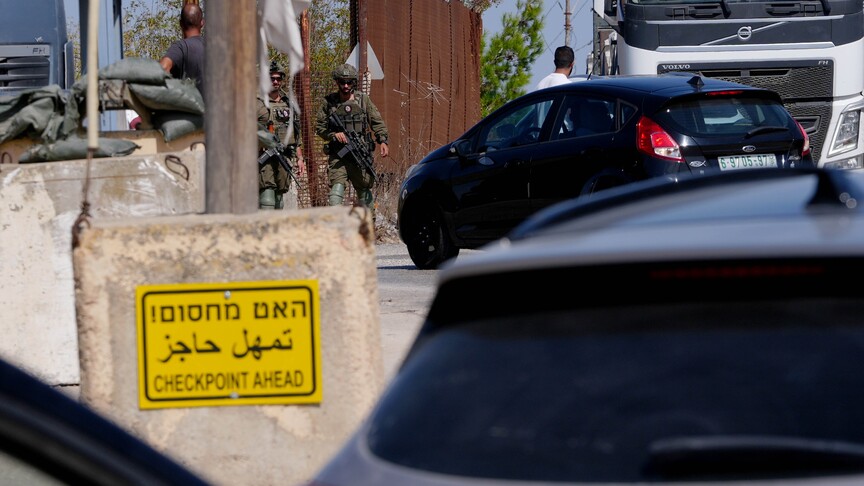
Israel’s expanding network of checkpoints and roadblocks in the occupied West Bank is significantly impacting the daily lives of Palestinians and fragmenting the territory. This alarming situation was highlighted in a recent statement by Francesca Albanese, the UN special rapporteur on the conditions in the occupied Palestinian territories.
Impact of Checkpoints on Palestinian Daily Life
Albanese expressed that the arbitrary nature of these restrictions causes immense pain for those trying to navigate their everyday lives. She stated, “Arbitrariness itself becomes a form of torment when every journey, every appointment, and every family visit depends on whether a gate is open or a soldier allows passage.” This assertion sheds light on the pervasive anxiety faced by Palestinians, who find their freedom of movement severely limited by the presence of checkpoints.
According to UN data, as of December 2025, there were 925 checkpoints and other barriers in the West Bank, which includes East Jerusalem. This figure represents the highest number recorded in two decades and a staggering 43% increase compared to the previous two decades’ average. These checkpoints disrupt the lives of approximately 3.4 million Palestinians, highlighting a growing crisis in mobility and accessibility.
Recent Developments and Escalating Delays
The situation regarding movement restrictions has intensified since October 2023, with reports of escalating delays around key areas such as Nablus. In specific locations like Beit Furik, which is home to nearly 16,000 residents and has only one access point, what should normally be a 15-minute journey can stretch to an agonizing five to ten hours. This escalation in wait times is not merely an inconvenience; it has serious implications for health, employment, and education.
One heartbreaking illustration of these delays is the case of Ahmed Zaid, a four-month-old baby who tragically died in July because Israeli soldiers blocked his family’s passage to an awaiting ambulance for over an hour. Albanese underscored the human cost of the checkpoint system when she referred to Ahmed’s death as a “devastating illustration” of the realities faced by those living under such stringent restrictions.
Wider Issues: Settler Violence and Displacement
Albanese’s statement also drew attention to the growing issues of settler violence and the expansion of Israeli settlements, alongside the demolition of Palestinian homes and agriculture. These actions contribute to an atmosphere of fear and displacement, further complicating the lives of Palestinians already grappling with mobility issues due to checkpoints. The overall situation not only curtails physical movement but also endangers the agricultural livelihood of many families, exacerbating an already challenging humanitarian crisis.
Understanding these interconnected issues is vital for comprehending the broader dynamics at play in the West Bank. As the number of checkpoints continues to rise and the humanitarian situation deteriorates, it becomes increasingly urgent for the international community to respond and advocate for the rights and freedoms of the Palestinians impacted by this ongoing conflict.