
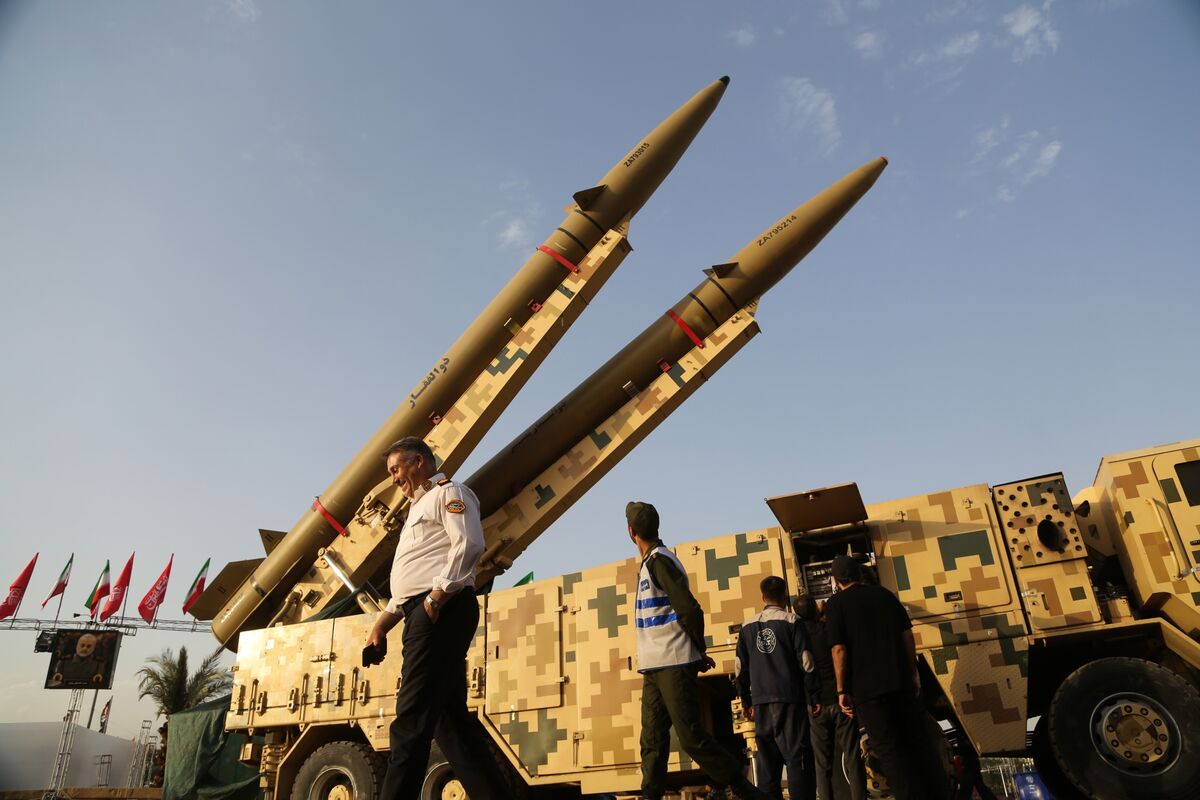
Iranian Forces Target U.S. Troops as Tensions Escalate
In a dramatic surge of conflict, Iranian forces opened fire on U.S. military personnel during the night, marking a stark increase in hostilities. This action came shortly after the U.S. and Saudi Arabia launched retaliatory strikes against Tehran-supported militias situated in Iraq, effectively concluding a period of relative calm that had lasted several days.
Understanding the Recent Conflict
The recent escalation is rooted in a longstanding conflict involving Iran, the United States, and their respective allies. The global community has watched with concern as these tensions have influenced regional stability. The actions taken overnight signify a shift in the dynamics of this conflict, with both parties exchanging aggressive measures. Iran’s decision to target U.S. forces indicates a willingness to confront American military presence more directly, while the U.S. and Saudi responses showcase their commitment to countering Iranian influence in the region.
The Impacts of Military Engagements
Military confrontations like the one experienced overnight can have profound implications for regional and global security. They not only heighten the risk of further escalation but also complicate diplomatic efforts aimed at resolving long-standing issues. The strikes on Iranian-backed militias are part of a broader strategy to undermine their influence in Iraq and to deter future acts of aggression against U.S. forces. However, this cycle of retaliation often undermines stability and leads to civilian casualties, which could provoke further unrest in the region.
The Role of Allied Nations
The involvement of Saudi Arabia in the recent airstrikes underscores the complex web of alliances and rivalries that characterize Middle Eastern geopolitics. Saudi Arabia has positioned itself as a key player in confronting Iranian expansionism, and its military cooperation with the U.S. forms a critical component of their collective security strategy. As both nations coordinate their efforts, the focus on Tehran-backed groups highlights the challenges of navigating relationships in an increasingly hostile environment. Allied nations must remain vigilant and adaptive to ensure they mitigate risks while pursuing their objectives.
Looking Ahead: Future Implications
As the dust settles from these recent military actions, observers must consider the potential consequences. The immediate aftermath will likely influence policy decisions and military strategies moving forward. Increased hostilities may provoke uncertainty among regional leaders, prompting them to reassess their alliances and military postures in light of new developments. The U.S. and its allies will need to weigh the benefits of military action against the potential for long-term instability in Iraq and beyond. Only time will reveal how these developments shape the geopolitical landscape of the Middle East in the coming months.