
The ongoing conflict with Iran has intensified recently, marked by a renewed wave of hostilities. Following recent Iranian attacks on a U.S. base in Jordan, President Trump has issued direct warnings of further military action. As tensions rise, the situation appears to be expanding beyond Iran, with troubling incidents emerging in neighboring regions, including Iraq and Egypt.
Escalation of Hostilities in the Region
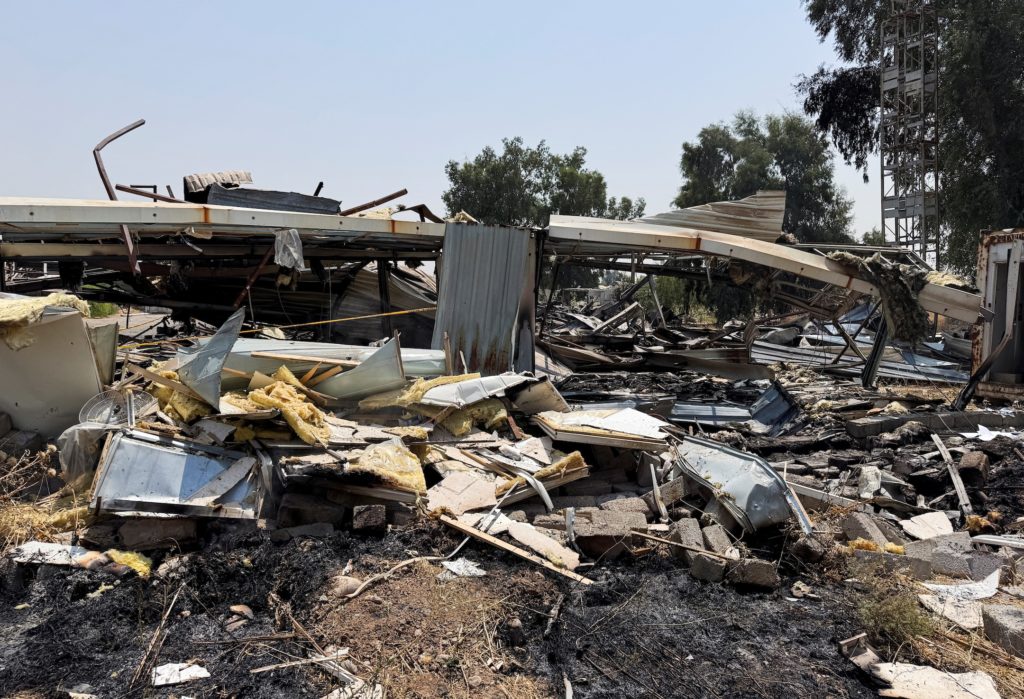
The U.S. has commenced new airstrikes, marking the first military operations since the recent escalation began. President Trump has employed straightforward language, asserting that these actions are in response to Iranian provocations. The U.S. military has targeted militia sites in Iraq, specifically those affiliated with Iranian backing, after a series of drone assaults that have threatened its interests and allies. Reports indicate these militia groups, known as the Popular Mobilization Forces, executed over 30 drone attacks in just three days, leading to significant retaliatory strikes by U.S. and Saudi forces.
The challenges for Iraq’s government are significant. With growing Iranian influence, Iraq’s leadership faces pressure from the U.S. to disband these militias while simultaneously maintaining sovereign control over its territory. In a response to the recent military actions, the Iraqi government pledged to defend its sovereignty, signaling a delicate balancing act between foreign and domestic pressures.
Iran’s Retaliation and Broader Conflict Dynamics
Amid the increasing hostilities, Iran has responded with threatening rhetoric and demonstrative military actions. Footage released by Iranian authorities showed missile launches aimed at U.S. bases, described as offensive and preemptive strikes—a departure from their usual defensive framing. This has added a new layer of complexity to the tensions, with President Trump vowing a strong response despite Iranian claims that no damage was caused.
Additionally, hostilities are not confined to the traditional combat zones. Reports have emerged of attacks by Houthi rebels—an Iranian ally—in Saudi Arabia. The conflict has now reached a point where various factions, including those in Iraq and Yemen, are actively engaging in what seems like a cascading series of military confrontations across multiple fronts. Notably, the Houthis downed a Saudi drone and have threatened maritime activities in critical shipping corridors, raising alarms about the stability of the region.
Strategic Implications for Energy Security
The recent explosion involving an American-owned gas storage tanker in Egypt signals a troubling new phase in this conflict. If this incident is confirmed to be a drone strike orchestrated by Iranian-backed groups, it would indicate a targeting of critical transit points, including the Suez Canal. Such developments bear vast implications for global energy markets, as the Suez is a vital artery for the transport of significant oil supplies. Should Iran’s influence extend to these waterways, it could jeopardize approximately 20 percent of the world’s energy supply.
Energy experts stress that the escalation of attacks could severely impact not just Egypt’s economy but also the broader global market. With Iran already controlling the Strait of Hormuz and the Houthis threatening Bab al-Mandab, the situation creates a precarious balance of power. Any disruption in these strategic regions would have ripple effects worldwide, increasing oil prices and potentially destabilizing economies reliant on energy exports.
As the conflict unfolds, indications suggest that the complexities of the situation may lead to daunting choices for U.S. policymakers. Saudi Arabia is expressing concerns about the potential for further escalation, cautioning that increased military actions could provoke Iranian retaliation that threatens Arab capitals and key infrastructure. Discussions involving Israeli officials highlight a shared apprehension about the current U.S. strategy, which appears to lack a definitive direction amidst rising tensions.
In summary, the renewed hostilities between Iran and the U.S. are not merely a bilateral issue but are part of a broader regional conflict characterized by interlinked dynamics. The potential implications for energy security, regional stability, and international relations could be profound as the situation evolves.