
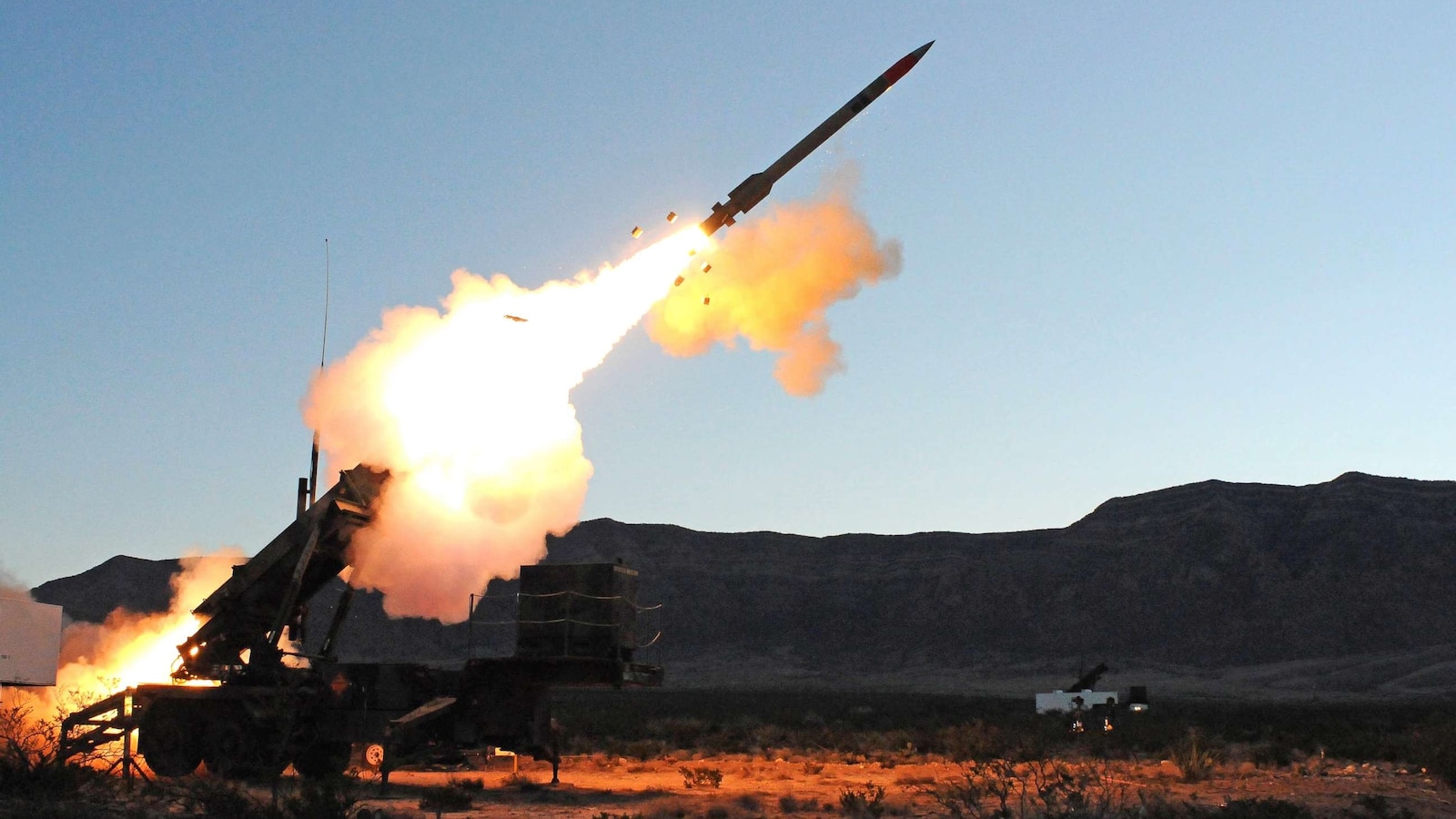
The recent escalation in U.S.-Iran tensions has raised critical concerns regarding the state of U.S. air defense capabilities. A report from the Center for Strategic and International Studies (CSIS) highlights a significant depletion of air defense interceptors in the wake of increased military engagements since late February. This alarming finding poses questions not only about military readiness but also about national security in the face of ongoing hostilities.
Significant Decrease in Air Defense Interceptors
Since combat resumed between the United States and Iran after a temporary ceasefire on February 28, U.S. stockpiles of critical interceptor systems, such as the Patriot missiles, have been severely impacted. A preliminary report indicated that the stockpile of Patriot interceptors had already decreased by 55%. The latest analysis reveals an additional 10% reduction, meaning that nearly 65% of U.S. Patriots have been lost due to ongoing conflicts. Current estimates suggest as few as 759 of these advanced interceptors remain in the U.S. arsenal.
These developments raise severe concerns about the military’s ability to respond effectively to threats. The U.S. produces about 183 of these interceptors each year, but delivery takes approximately three and a half years from contract signing. With current stocks dwindling, this timeline raises alarms regarding imminent vulnerabilities.
THAAD Interceptor Levels Remain Stable
While the situation surrounding Patriot missiles is dire, the stockpile of Terminal High Altitude Area Defense (THAAD) interceptors has remained relatively stable since the ceasefire took effect. However, it’s noteworthy that the U.S. stocks of THAAD interceptors had previously dropped significantly, by roughly half, during periods of intense combat. Though THAAD interceptors represent a more challenging air defense system to replenish, their current steadiness provides a glimmer of hope amid the more alarming Patriot stockpile shortages.
In assessing the situation, experts have pointed to data sourced from Gulf nations and scrutinized congressional and Pentagon documentation to gauge the state of U.S. military assets. The complexities of the current challenges are compounded by a supplemental funding request of $67 billion from the Pentagon, which aims to address munitions shortfalls that have arisen due to heightened military operations.
Impact of Military Aid and Future Concerns
The Biden administration has supplied three Patriot missile batteries to Ukraine under the Presidential Drawdown Authority, spurring concerns about the implications for U.S. military capabilities. While officials maintain that the U.S. military retains sufficient resources to execute its directives, this situation must be closely monitored as it continues to evolve.
Veteran analysts express apprehension over munitions shortages, labeling the current state a serious predicament unlikely to resolve swiftly. Notably, an inquiry by ABC News reveals that even advanced military strategies must consider the diminishing stock of essential technologies, notably in the context of potential geopolitical moves by nations like China. Should tensions escalate in the Indo-Pacific, the U.S. may need to rethink exercise schedules and resource allocations to ensure regional readiness.
In summary, the precarious status of U.S. air defense supplies, especially in light of recent conflict with Iran, signifies a broader challenge for military preparedness. Strategic decisions, funding allocation, and proactive planning will be crucial to navigate the complexities posed by reduced interceptor inventories and evolving international landscapes.