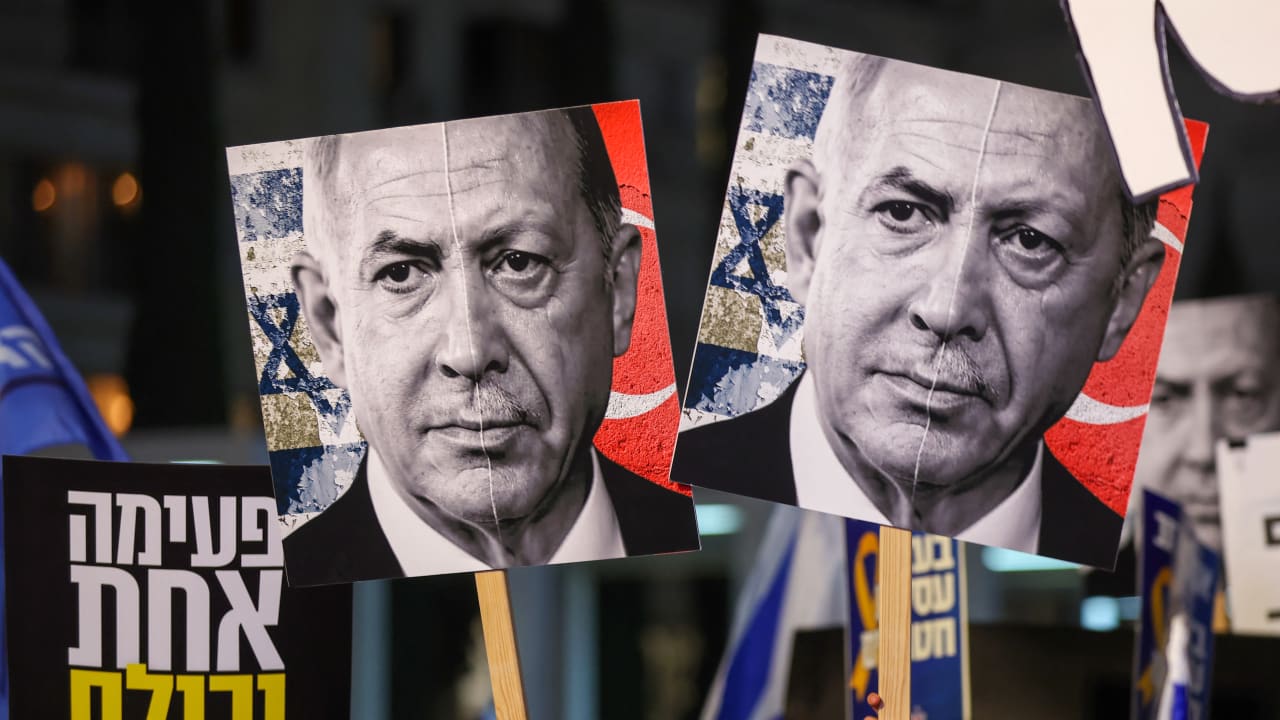
In the complex landscape of Middle Eastern politics, tensions between Israel, Turkey, and Syria continue to intensify. Recent rhetoric from Israeli political figures has drawn attention from Turkish media, illustrating a growing focus on Israel’s framing of Turkey’s involvement in the region. This situation invites further examination of how such rhetoric influences perceptions in Turkey and beyond.
The Increasing Focus on Turkish-Israeli Relations
Recent developments indicate that Turkish media is increasingly reflecting on the tough rhetoric issued by Israeli officials. Notably, Turkey’s Foreign Minister, Hakan Fidan, recently met with Khalil al-Hayya, the newly appointed leader of Hamas. Such interactions are typically criticized in Jerusalem, which views them as acts that enhance Ankara’s influence in conflict zones, particularly Syria.
Historically, Israel and Turkey shared robust diplomatic relations, dating back to the early 20th century. Turkey was the first Muslim-majority country to recognize Israel after its establishment. However, relations soured significantly after the rise of Turkey’s AKP party in the early 2000s and the increasingly confrontational stance of President Erdogan toward Israel, especially after events like the Gaza conflict in 2009. Attempts at reconciliation have occurred, but recent interactions suggest a new low in relations, influenced in part by the ongoing conflicts in Gaza and Syria.
Rising Military Rhetoric and Implications
Israeli politicians, particularly from the Likud party, have framed Turkey as a “new strategic threat,” with assertions of potential military confrontation becoming commonplace. This rhetoric has notably included discussions about military posturing in Syria. On July 28, Israel’s Energy Minister Eli Cohen indicated that Israel would establish military bases in Syria if Turkey proceeded with plans to set up its own bases there. Such statements heighten the risk of escalation and are especially concerning given the complex military engagements that Israel is already handling across the region.
Experts are becoming increasingly worried about the implications of these aggressive postures, as we already see Israel deeply involved in the conflicts within Gaza and Lebanon. The calls for further military actions in Syria counter Israel’s historical preference for using military force as a last resort. The current attitude suggests a shift toward a more aggressive defense policy, potentially stretching Israel’s military resources even thinner.
The Broader Context of Regional Security
The geopolitical atmosphere is further complicated by the role of Iran, identified as a persistent threat to both Israel and the wider region. Iranian military capabilities and activities continue to be a cause for concern, making the prospect of facing another regional power like Turkey particularly intricate. Observers note that Turkey possesses a formidable military and any confrontation could escalate rapidly.
As tensions mount, political analysts are paying close attention to how power dynamics are playing out. Recent comments from Israeli officials on social media, including claims that Turkey’s elevation as a threat mirrors previous encounters with Iran, emphasize a growing perception that Israel’s military might, coupled with U.S. support, can confront multiple enemies. However, it remains unclear how Israel will manage these challenges while maintaining stability in its existing military engagements.
In summary, the relationship between Israel, Turkey, and Syria is increasingly fraught with tension as rhetoric intensifies and military posturing escalates. The implications for regional stability are significant, raising questions about how these dynamics will evolve in the coming months. The historical and contemporary contexts of these relationships underscore the potential for miscalculations that could lead to wider conflicts. As both political dialogue and military actions unfold, the eyes of the international community remain fixed on this volatile region.