
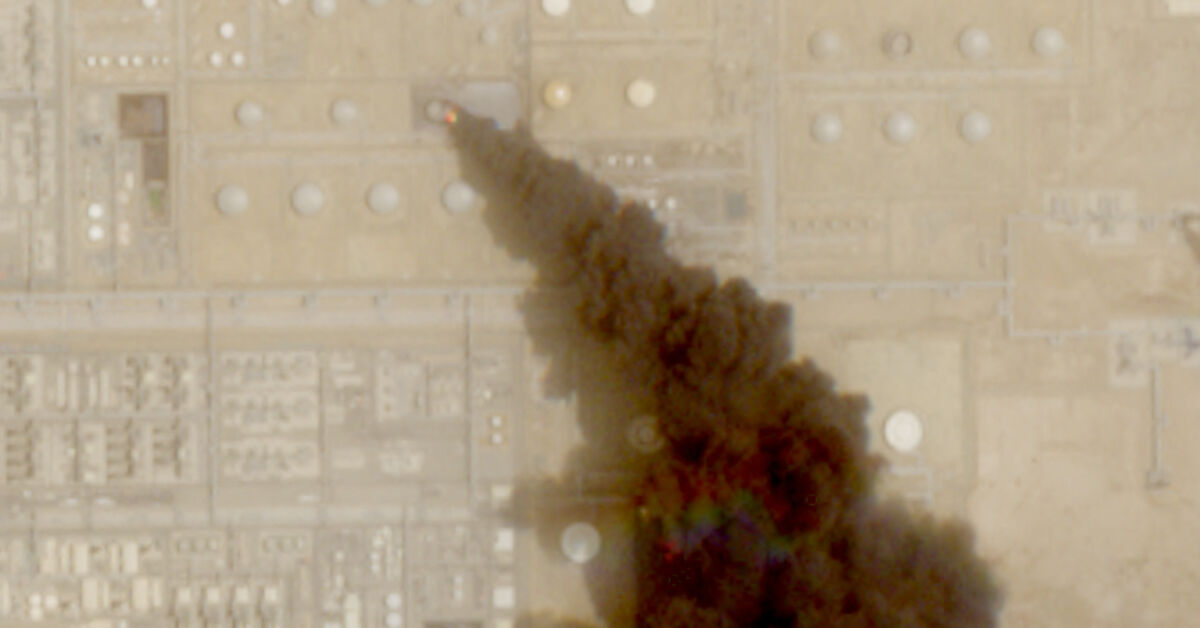
The recent escalation in the U.S.-Iran conflict has raised concerns about a wider regional war. Fresh military operations have intensified hostilities, and fresh geopolitical dynamics are in play. In an era of uncertainty, the implications of these airstrikes far extend beyond the immediate military landscape.
U.S. Strikes Intensify Regional Tensions
On July 29, U.S. military forces initiated airstrikes against Iran, marking a significant escalation in a conflict that has been ongoing for five months. U.S. Central Command announced that the strikes began at 8:00 p.m. ET in response to perceived Iranian provocations targeting American forces in the Middle East. The escalating tensions have seeped into other countries, as demonstrated by a drone strike earlier that day on a U.S.-owned gas tanker at Egypt’s Mediterranean port and missile attacks launched from Iran aimed directly at U.S. troops stationed in Jordan.
The situation worsened with Iran’s recent aggressiveness, as it launched missiles at U.S. bases and also declared its refusal to consider proposals for joint management of the strategically vital Strait of Hormuz, a significant conduit for global oil transport. President Donald Trump has made it clear that the U.S. will retaliate decisively against Iranian actions, emphasizing his commitment to hitting back hard while still aiming for a potential peace deal.
The Ripple Effect on Oil Prices
The military actions have had an immediate impact on global markets, particularly oil prices. Brent crude futures surged over 8%, pushing the benchmark to above $90 a barrel. This sharp uptick contrasts with the recent declines seen earlier that week, illustrating the volatile nature of the situation. As the conflict extends, the stress on oil markets underscores the complex interconnections between military actions and economic consequences.
This rise in oil prices serves as a reminder of the broader ramifications of the conflict. A prolonged war could disrupt trade routes and affect global energy supplies, leading to widespread economic instability beyond the immediate regions involved in the conflict.
The Divided Loyalties in Iraq
The situation in Iraq complicates the conflict further. The Iraqi government, led by Prime Minister Ali al-Zaidi, faces the challenge of balancing relations with both the United States and Iran. This dichotomy often results in domestic unrest as factions within Iraq react differently to U.S. strikes on Iran-backed groups. Iraqi officials condemned the U.S. attacks, calling them violations of national sovereignty, reflecting the sentiment among various demographics within the country.
Moreover, the attacks have also incited anger among Iran-backed militias. As demonstrated during previous retaliation, the outcry from Iraqi communities, including chants of “Death to America,” highlights the rising anti-U.S. sentiment fueled by the ongoing conflict. These reactions could lead to increased instability within Iraq, complicating the government’s efforts to maintain order and diplomatic relations.
Concerns on Escalation and Future Risks
With both Washington and Riyadh conducting joint military operations against Iranian-aligned groups, the fear of further escalation remains palpable. The potential for the U.S. to strike targets in Yemen or escalate its campaign against Iranian militias could introduce “major unknown risks,” according to sources familiar with the deliberations. Such actions could widen the conflict, drawing in additional nations and thereby jeopardizing regional stability.
Moreover, U.S. military officials have cautioned that conducting extensive military operations comes with its own set of risks, particularly concerning dwindling stocks of critical defense systems. As tensions heighten, the balance between military objectives and national security preparedness becomes increasingly precarious.
In summary, as U.S. strikes against Iran escalate, the ramifications of this conflict are broad and multifaceted. The intertwining of military operations, economic implications, and regional dynamics suggest that careful navigation is imperative for avoiding a larger, more destructive confrontation.