
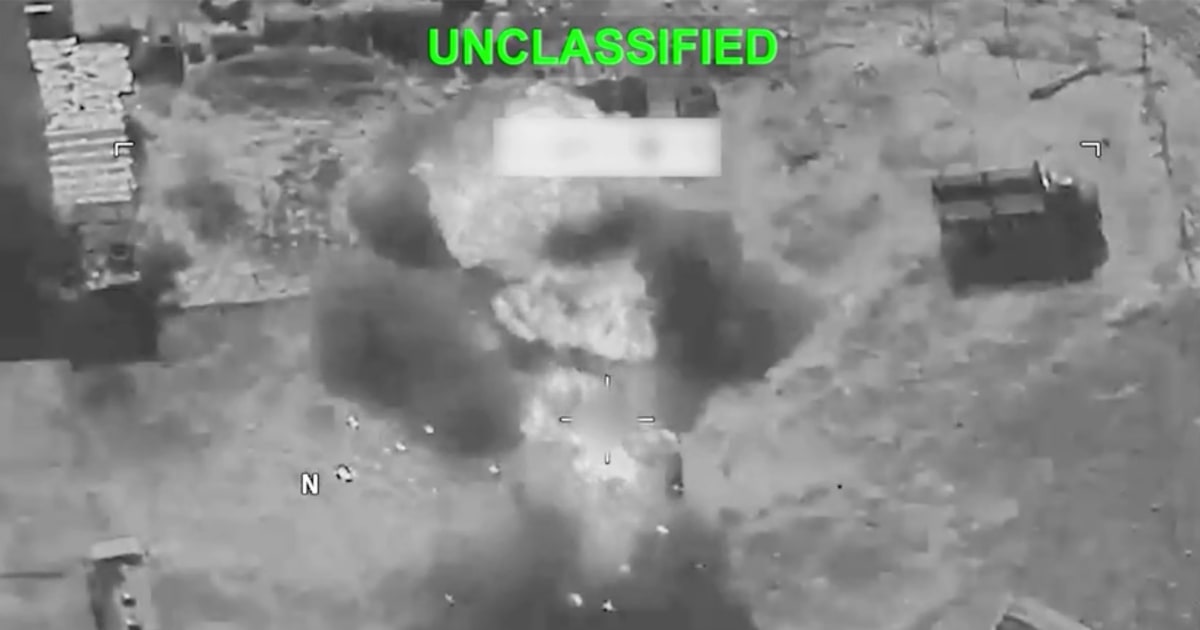
In recent developments, U.S. Central Command (CENTCOM) announced a substantial series of airstrikes directed at Iran, aimed at countering what they characterized as a surprise attack on American forces. The ongoing conflict in the region continues to escalate tensions and disrupt vital trade routes.
Massive Strikes Target Iran’s Revolutionary Guard Corps
According to CENTCOM’s statement on social media platform X, multiple locations tied to the Iranian Revolutionary Guard Corps were hit during a two-hour operation. The targets included military command centers, facilities for missiles and drones, and coastal surveillance and defense sites. This military action underscores the increasing complexity of the U.S.-Iran relationship in light of recent hostilities.
Reports indicate that strikes were executed across various Iranian cities. Tragically, among the casualties was a toddler, highlighting the civilian toll of military engagements. The island of Qeshm, situated in the crucial Strait of Hormuz, was among the sites affected, with the state-operated IRIB news agency confirming three fatalities.
Strait of Hormuz: A Crucial Trade Route Under Threat
The Strait of Hormuz remains a pivotal location in this ongoing situation. About 20% of the world’s oil supply passes through this essential maritime corridor, making it a focal point in international trade discussions. However, shipping operations along this route, as well as through the Bab el-Mandeb Strait in the Red Sea, have faced disruptions due to escalating attacks. The United States has been striving to diminish Tehran’s influence in these critical waterways.
In the wake of intensified hostilities, prior optimism surrounding diplomatic negotiations has dwindled. Mediators and former President Trump had previously expressed hopeful sentiments regarding an interim agreement, but those expectations have since been dashed as retaliatory strikes ensued between the two nations.
Impact on Global Oil Markets
As tensions rise, oil prices have reacted accordingly, with Brent crude oil prices nearing $90 per barrel in early Thursday trading. The conflict’s escalation feeds into broader concerns regarding energy security, especially considering the current dependency on oil imports. The continued instability in the region raises questions about the reliability of global oil supply chains, an issue that can have significant ramifications for economies worldwide.
Shipping Activities in the Region
Despite the current unrest, some shipping activity has persisted through the Gulf. Data from MarineTraffic revealed that a Qatar-managed liquid natural gas (LNG) tanker successfully navigated from the Persian Gulf to the Gulf of Oman through Iran-controlled lanes. This passage marks a significant moment, as it’s one of the first such journeys since a tanker was hit by a missile in early July. Iranian sources, including the semi-official Fars news agency, indicated that the tanker had received permission for its transit.
Additionally, as of Thursday, four more ships were reported traveling through Iranian routes, including two asphalt tankers managed by Emirati interests and another LNG vessel. Reports also indicate that nearly 59 tankers or cargo vessels traversed the Bab el-Mandeb Strait within the preceding 24 hours, showcasing the complexities of maintaining maritime logistics amid ongoing tensions.
The volatile situation in the Middle East, particularly in the Strait of Hormuz, remains a topic of major international concern, impacting not just regional security but also global economic stability.