
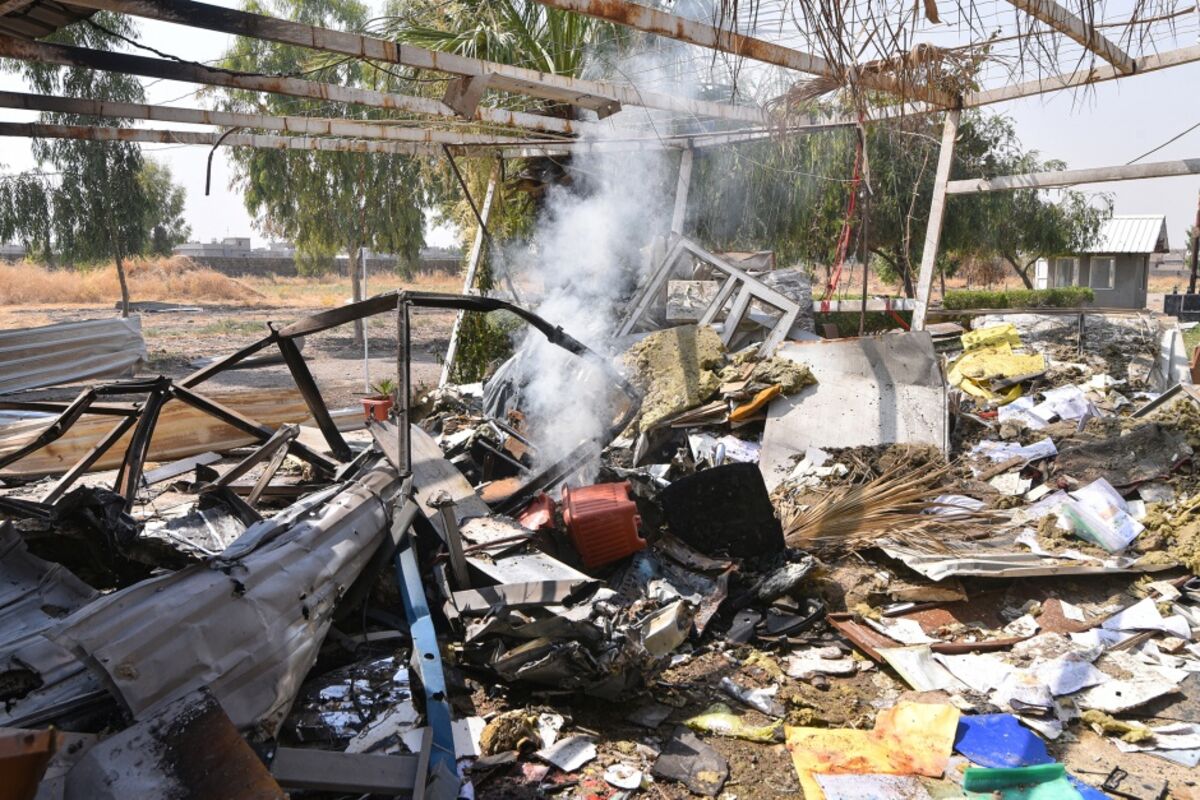
On July 28, a new chapter in the ongoing conflicts in the Middle East was marked by Saudi Arabia’s unexpected military action against Iraq. Traditionally, Saudi Arabia has maintained a relatively open relationship with its neighbor, but recent events have prompted a shift in their stance. This offensive, executed in collaboration with American military forces, specifically aimed at Iranian-supported groups in Iraq that had allegedly launched drone attacks on Saudi oil installations.
Background of the Tensions
The geopolitical landscape of the Middle East has been characterized by shifting alliances and deep-seated rivalries. Although Saudi Arabia and Iraq have shared a generally amicable relationship, recent provocations have strained this dynamic. The Iranian-backed militants in Iraq have posed a growing threat, particularly with their aggressive tactics targeting critical infrastructure in Saudi Arabia. The drone assaults that occurred just before the Saudi strikes served as the catalyst for this escalation.
Details of the Attack
The Saudi military operation was coordinated with United States forces, marking a significant moment of cooperation between the two nations. The objective was to neutralize the specific threat posed by these militant groups, which have been increasingly emboldened by support from Tehran. By targeting these Iranian affiliates in Iraq, Saudi Arabia aims not just to defend its territory but also to send a clear message regarding the limits of acceptable aggression. The precision and timing of the attack underline the seriousness of the situation.
Regional Implications
This military action carries significant implications for regional stability. Not only does it highlight the volatile nature of relations among Middle Eastern nations, but it also underscores the complex interdependencies that exist in the region. The cooperation between Saudi Arabia and the U.S. underscores their commitment to countering Iranian influence, which is seen as a destabilizing force in the Middle East. This escalation could lead to a ripple effect, prompting other nations to reassess their military and diplomatic strategies in light of the evolving power dynamics.
Looking Ahead
As the situation develops, the international community will be watching closely. Diplomatic efforts may become increasingly critical to avoid further escalation. The potential for backlash from Iran and its proxies represents a serious risk that could lead to broader conflicts in the region. It’s essential for nations involved to carefully navigate this sensitive landscape to prevent miscalculations or unintended engagements that could spiral out of control.
In summary, the July 28 attacks by Saudi Arabia represent a significant shift in military strategy and a response to emerging threats from Iranian-backed groups in Iraq. The implications of this action will reverberate throughout the region, potentially altering the course of Middle Eastern politics and military engagements. As the situation unfolds, the actions taken in the coming weeks and months will be crucial in determining the future stability of the area.