
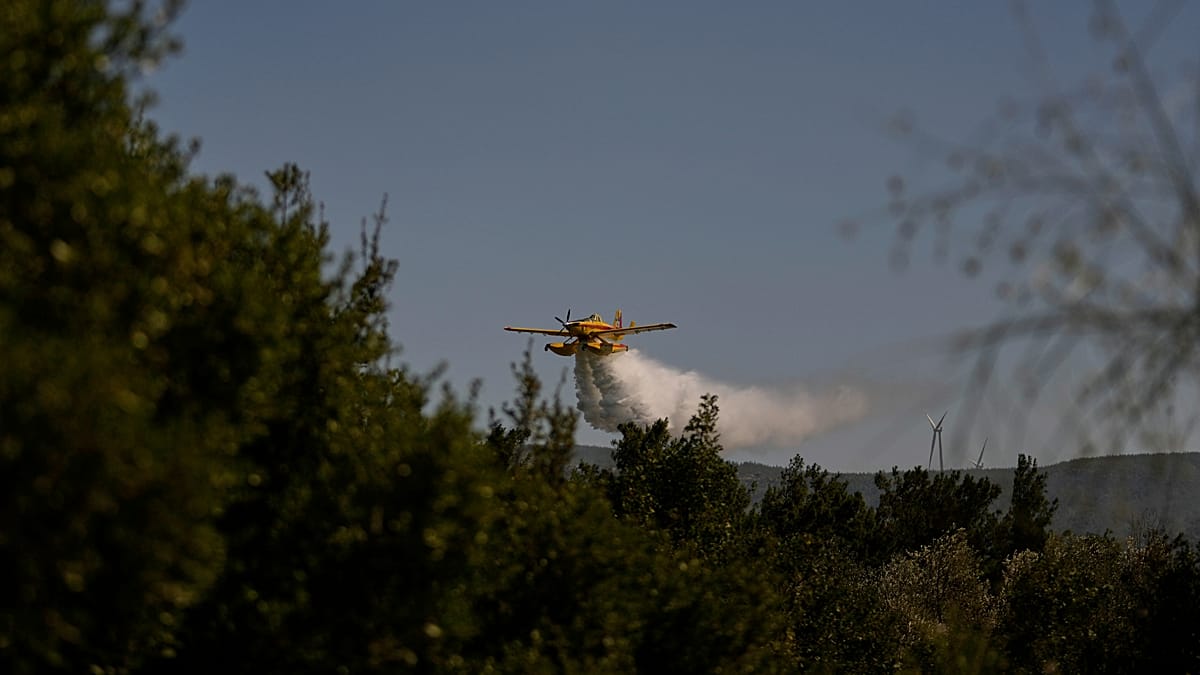
Five wildfires are still actively burning along Turkey’s western and southern coasts, causing significant destruction and distress among local residents. The Ministry of Agriculture has raised concerns about a heightened fire risk that is expected to persist into the following week. Many individuals have shared heart-wrenching accounts of the losses they’ve endured, including homes and livelihoods.
Current Fire Situation
Agriculture and Forestry Minister İbrahim Yumaklı stated that five major wildfires continue to ravage certain regions. He emphasized that their efforts to combat these blazes would persist until every issue is resolved. The directorate of communications has highlighted specific provinces—such as Çanakkale, Balıkesir, Bursa, İzmir, Manisa, Aydın, Muğla, Antalya, Mersin, and Adana—as areas experiencing elevated risk due to ongoing high temperatures and strong winds. The possibility of reigniting fires remains high, posing a continual threat to local communities.
Since Wednesday, Turkey has witnessed 206 wildfires, triggered largely by strong winds. Fortunately, by Friday, firefighters had managed to contain 202 of these blazes, with 133 occurring outside forested areas. The General Directorate of Forestry mobilized extensive resources, including 28 aircraft, 119 helicopters, 14 drones, and nearly 2,000 fire trucks. Response teams worked tirelessly from over 1,600 different positions, ensuring that the situation received immediate attention.
Impact on Communities
In the picturesque Cine district of Bodrum—a popular tourist destination—firefighters worked overnight to evacuate animals from areas at risk. By the following morning, emergency services employed nine helicopters and several other firefighting resources to manage the situation. Despite these efforts, the fires have officially damaged or destroyed around 65 buildings, mainly concentrated in the Antalya and Muğla provinces.
An alarming figure from the European Forest Fire Information System reports that this year alone, approximately 22,587 hectares have been scorched across Turkey due to wildfires. The impact on the local population has been heart-wrenching. For instance, Arzu Celep, an elderly woman who was evacuated from her home, expressed her sorrow with the words, “We have turned to ashes, we have nothing left.” Residents like her are mourning not just the physical loss of their homes but also of beloved pets and cherished agricultural lands.
Long-Term Consequences
Turkey has been grappling with increasingly severe wildfires over recent years, a trend largely driven by prolonged drought conditions. Although previous heavy winter rains had helped mitigate fire risks, the recent summer heat has drastically changed the landscape. In anticipation of potential wildfires, authorities implemented bans on entry to the highest-risk forest areas at the beginning of the summer season.
Minister Yumaklı reiterated the government’s commitment to improving emergency response times, aiming to reduce them to an average of 10 minutes. Although they are nearing this goal, the urgency of the current situation underscores the challenges Turkey faces in managing wildfire risks effectively. The physical and emotional toll on affected communities serves as a stark reminder of the pressing need for proactive measures to protect lives and property from the devastating effects of wildfires.