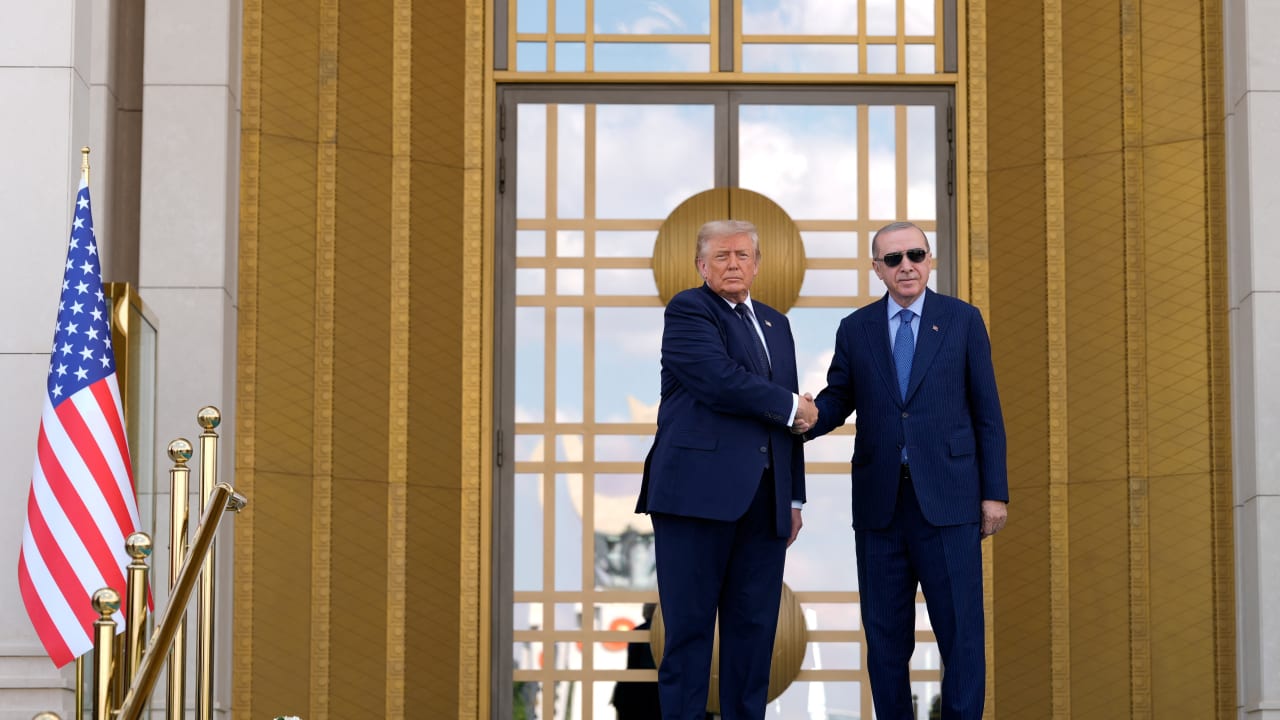
When NATO dignitaries convened in Ankara on July 7 and 8, 2026, the significance of this summit transcended typical diplomatic gatherings. This gathering marked a pivotal moment for the alliance, reflecting a strategic shift in Turkey’s role within NATO.
Turkey’s Emergence as a Strategic Player
Turkey, often considered a complex and occasionally contentious member of NATO, hosted the alliance’s summit for only the second time in its history, with the previous occasion in Istanbul in 2004. The backdrop of this summit highlighted a crucial transformation: Turkey is no longer a passive participant but has emerged as a central player whose choices significantly impact the geopolitical landscape from Eastern Europe to the Middle East.
The Ankara summit clearly illustrated this shift. No longer merely an ally tinged with controversy, Turkey has become instrumental in shaping the region’s dynamics. Hosting this year’s summit showcased Turkey’s ascendant influence and underscored its growing importance in the alliance’s strategic considerations.
Military and Geostrategic Considerations
The duality of Turkey’s position within NATO remains a point of contention. On one hand, Turkey has intricate relationships with its allies while concurrently procuring military systems from Russia, which sometimes stirs tensions with the United States. Yet, Turkey boasts some of NATO’s most critical strategic assets, including leading a naval task force in the Black Sea and maintaining the second-largest land army in the alliance.
With the U.S. advocating for a more significant European security role, Turkey is strategically positioning itself as a vital partner that allies cannot easily replace. Its capabilities come at a time when Europe must consider new security frameworks to address evolving threats, particularly those emanating from the southern border against a backdrop of ongoing regional instability.
Turkey’s Role in Energy Security
Turkey’s influence does not solely stem from its military strength; its geographic position plays an equally critical role. Recent disruptions in shipping and energy supplies from the Persian Gulf to the Strait of Hormuz have underscored the urgent need for Europe to find alternative energy routes. As a result, Turkey is increasingly viewed as a central hub for gas and oil pipelines connecting Asia, the Caucasus, and Europe, amplifying its geopolitical significance.
Ankara’s positioning enhances Europe’s energy security as instability in the Middle East continues to escalate. This shift in energy dynamics effectively elevates Turkey’s leverage within NATO, providing it with a strategic advantage in negotiating its role in the alliance.
Future Directions for NATO
The Ankara gathering was also a forum for addressing the future trajectory of the alliance. Key initiatives announced included bolstering defense collaboration among member states, expanding military production, and investing in updated military infrastructure. In essence, these efforts hint at a transition towards “NATO 3.0,” where the alliance increasingly relies on European responsibility and advanced industrial partnerships.
Turkey stands to benefit significantly from these transitions. The country’s defense industry is witnessing rapid growth, and its emerging status as a key player in joint defense initiatives speaks volumes about its evolving role within NATO. The coming years will likely confirm Turkey’s place as one of the alliance’s most influential members, reshaping how NATO engages with its southern boundaries and overarching security frameworks.
As decision-makers in Europe and Washington navigate this complex relationship with Turkey, the pressing question is no longer whether Ankara will continue to gain influence, but rather how to cultivate this partnership without compromising NATO’s unity and core values. The Ankara summit marked a definitive change in perception: Turkey is no longer viewed merely as a challenging partner to be managed but rather as a central figure that cannot be overlooked in shaping NATO’s future.