
The conversation around U.S. military bases in the Middle East is shifting. Calls to reconsider the role and necessity of these installations are intensifying. As the U.S. faces ongoing conflicts, many argue that it’s time to rethink the longstanding military presence in the region.
Emerging Vulnerabilities
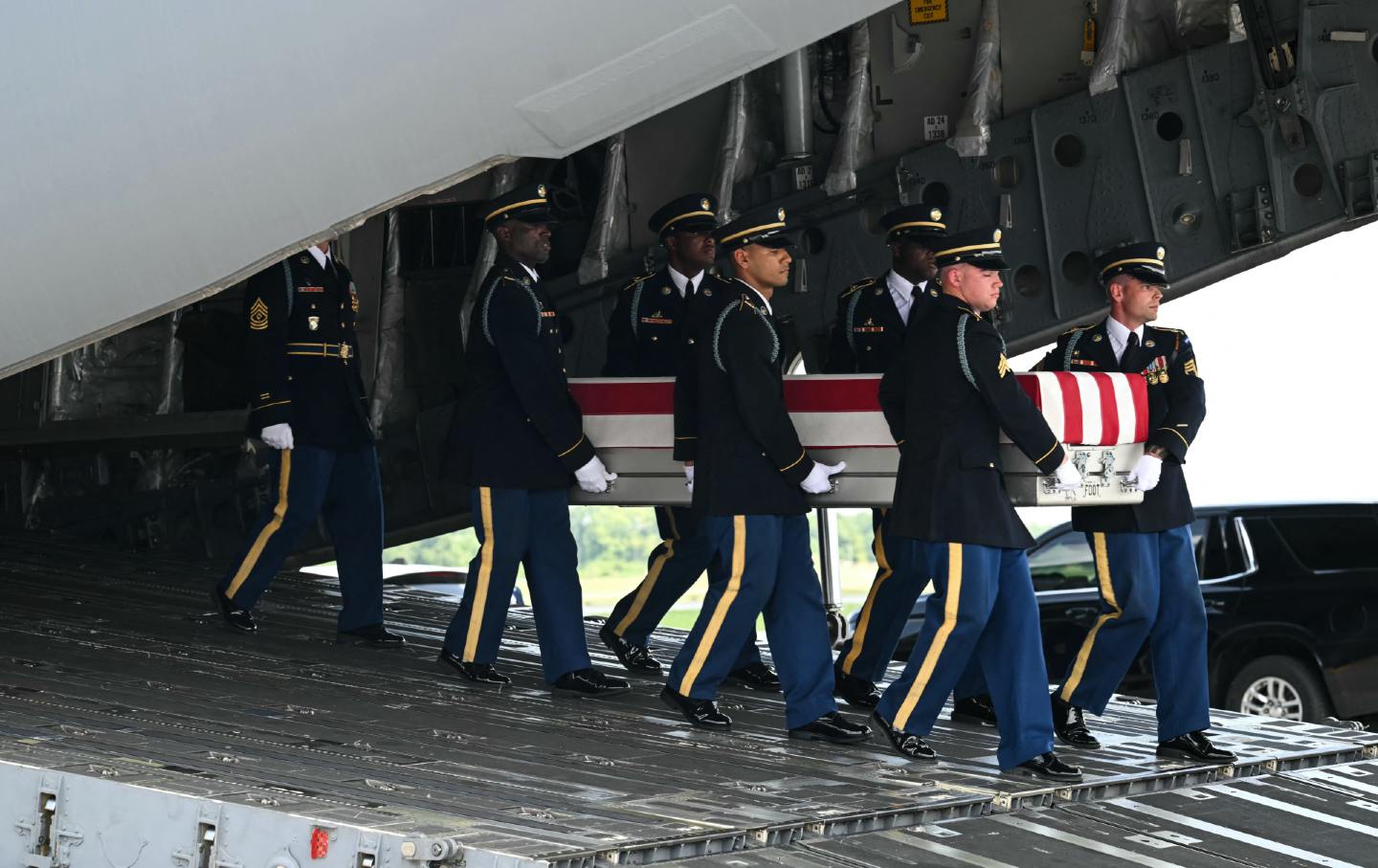
The deaths of U.S. soldiers in recent military operations illuminate the increasing risks faced by troops stationed at military bases in Iraq and Jordan. These casualties have occurred amid escalated tensions with Iran, raising serious questions about the safety of U.S. military personnel abroad. Since the onset of this conflict, U.S. bases have not only suffered physical damage but also have been seen as prime targets for Iranian retaliation. This situation has led to the loss of lives and significant financial expenditures as the infrastructure of these bases continues to deteriorate.
The need for a strategic reevaluation of the U.S. military’s role in the Middle East is more urgent than ever. Analysts point out that many of these installations have not only lost their original justifications but have also become liabilities. Transitioning away from a decades-long strategy of permanent military presence could enhance safety for both American troops and local populations. Acknowledging this reality could pave the way for a more diplomatic approach to international relations in the region.
Historical Context of Military Presence
U.S. military bases began establishing their footing in the Middle East around the 1980s as a response to regional conflicts, including the Soviet invasion of Afghanistan and geopolitical shifts following the Iranian Revolution. Over the decades, this military footprint expanded significantly, particularly during conflicts like the Gulf War and the Iraq War. Today, there are more than 80 military installations throughout the region, which have evolved from their initial defensive purposes to operations that often provoke hostility.
Iran has frequently targeted countries hosting these U.S. bases, viewing them as enablers of American and Israeli military activities. The substantial costs associated with maintaining these bases have raised concerns about their long-term viability. Critics argue that the financial burden could outweigh any potential military advantage, rendering them anachronistic in a changing geopolitical landscape.
Calls for Reevaluation and Change
A consensus is emerging among political leaders and military strategists advocating for a renewed assessment of U.S. military presence. Some propose hardening existing installations or dispersing troops to different locations, particularly to countries farther from Iran. However, these solutions are not without their critics. Attempts to strengthen defenses would likely incur significant expenses, potentially costing taxpayers billions without assuring complete safety for American forces.
Moreover, many host nations may be increasingly hesitant to allow U.S. military installations within their borders. There is growing sentiment that U.S. bases have transformed from protective fortifications to targets, drawing unwanted hostility. The governmental dynamics in the region are evolving, complicating future military strategies.
Envisioning a New Future
As the era of U.S. military bases in the Middle East evolves, closures may become inevitable, akin to what has been seen in previous centuries with other empires. The current geopolitical climate pushes leaders to contemplate the implications of military withdrawals that can happen either through deliberate diplomatic strategy or amidst chaotic upheaval and losses.
For years, the conventional wisdom held that U.S. bases ensured national security and peace. However, the realities of the ongoing conflict with Iran have laid bare the fact that these installations may often serve as a launching point for offensive actions rather than actual defense. As public dissatisfaction with the military strategy grows, it may be time for U.S. officials to take substantial steps towards demilitarization and reevaluation of their Middle Eastern commitments. Ending military operations in these regions may not only save lives but could also contribute towards more sustainable and peaceful international relations.