
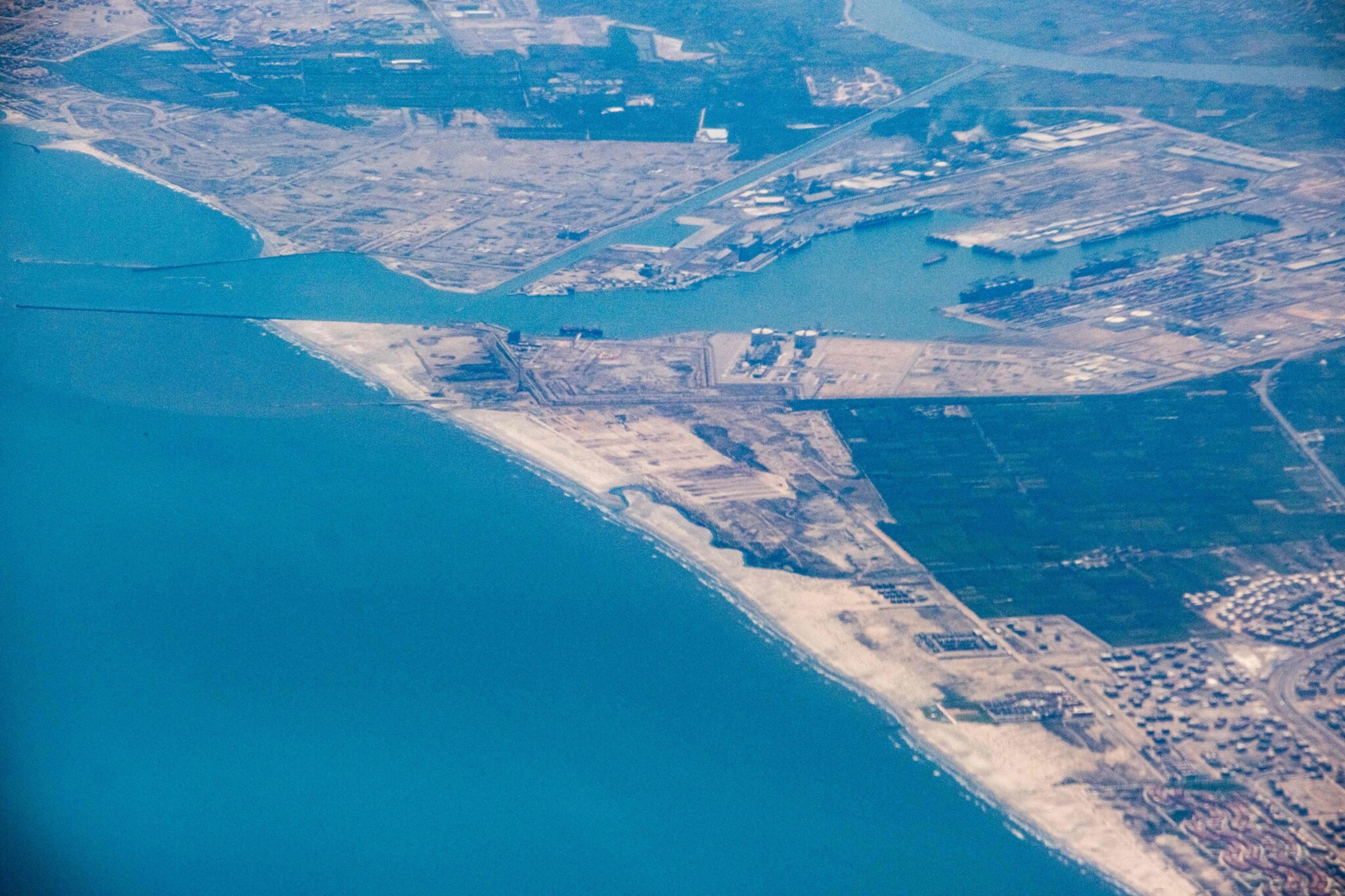
Cairo has been observing Iran’s regional maneuvers from a distance for an extended period. Recent developments, however, indicate that the conflict has now encroached upon Egypt. On July 29, a drone targeted the Egyptian port city of Damietta, resulting in damage to a U.S. gas facility.
The Impact of Drone Strikes on Regional Stability
The recent drone attack in Damietta marks a significant escalation in the tensions surrounding the Middle East. As countries like Iran expand their influence, neighboring regions, including Egypt, find themselves drawn into conflicts that threaten stability. This incident not only raises concerns about national security but also highlights the increasing use of drone technology in warfare. The ability to strike with precision from a distance allows for a new kind of warfare that is difficult to counteract, raising questions about how neighboring nations will respond.
Additionally, Egypt’s geographical location makes it a critical player in the regional power dynamic. Its Suez Canal is vital for global trade, and any instability could have far-reaching impacts. The attack signifies that the ideological and military conflicts in the region have the potential to disrupt not just local governance but also international economic interests.
Cairo’s Response to Escalating Threats
In light of the attack, the Egyptian government is likely to reassess its security protocols. The need for heightened defenses against aerial assaults becomes imperative, and there could be a push for increased military collaboration with allies. As Iran continues its aggressive tactics, Egypt must navigate a challenging landscape that balances defense preparedness while maintaining diplomatic relations with key partners.
Moreover, the incident serves as a reminder of the intricate web of alliances and enmities in the Middle East. Egypt has traditionally maintained a peace agreement with Israel and has strategic partnerships with the United States. As the regional power dynamics shift, Cairo will need to carefully balance these relationships to ensure national security while also considering its diplomatic ties.
The Broader Implications for Middle Eastern Geopolitics
The drone strike in Damietta is more than a localized event; it symbolizes a broader trend in Middle Eastern geopolitics. As Iran embarks on its expansionist strategy, other regional actors might feel compelled to bolster their defenses or alter their military strategies. The ripple effects could lead to an arms race or an increase in military alliances, drawing more countries into a web of conflict that could have extensive implications for regional and global stability.
The situation underscores the interconnectedness of the Middle East, where a conflict in one nation can quickly affect neighbors. For Egypt, the attack is a clarion call to prepare for a potential surge in aggressiveness from regional adversaries. The Egyptian government now faces the challenge of not only securing its borders but also stabilizing its economy in an increasingly volatile environment.
Conclusion: A Call for Vigilance
In summary, the drone strike on July 29 in Damietta serves as a stark warning of the potential threats that lie ahead for Egypt and its allies. As Iran continues its campaign in the region, it will be crucial for Egypt to adopt effective defensive measures and strategic diplomatic initiatives. The situation calls for a vigilant approach, recognizing the complexities of regional politics and the urgent need for stability in a time of uncertainty. The implications of these developments extend far beyond Egypt, impacting international relations and global trade dynamics.