
Chevron is a leading energy company that plays a significant role in both oil and gas production and the transportation and processing of these essential fuels. Recently, Chevron has made headlines with its agreement to invest in Iraq’s energy sector, providing a glimpse into how this could transform both the company and the wider energy industry.
Understanding Chevron’s Operations
As one of the largest energy corporations globally, Chevron boasts a diverse array of assets covering the full energy spectrum. From upstream activities—primarily oil extraction—to downstream processes such as refining and chemicals, Chevron’s integrated business model allows it to optimally allocate resources where they yield the best returns. This model also encompasses midstream activities like pipeline operations, which are crucial for the seamless transport of energy products.
Chevron’s recent agreement with Iraq, made in July, is indicative of the company’s proactive approach to maintain and enhance its production capabilities. Given that oil is a finite resource, the company continuously seeks ways to replenish its reserves and sustain production levels. This strategic focus on new energy fields in Iraq could significantly bolster Chevron’s capacity to produce oil, especially as older fields see declining output.
The Strategic Pipeline Initiative
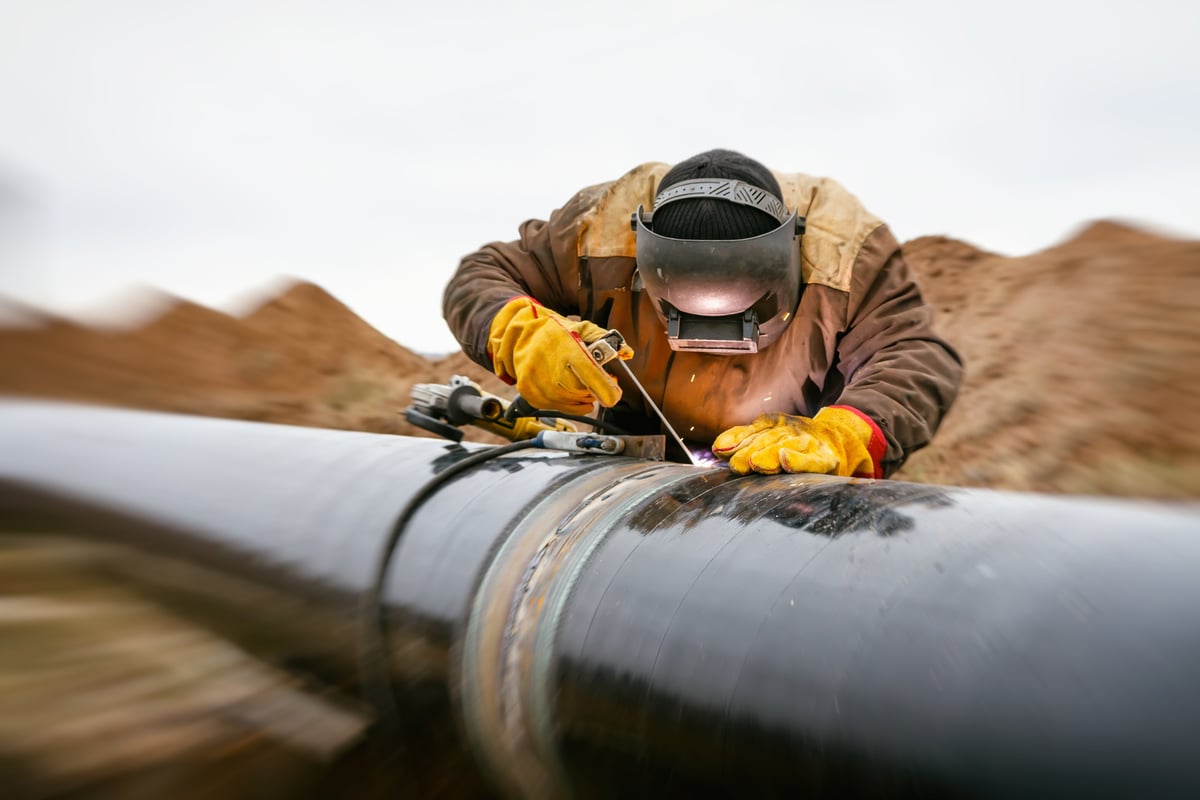
The most impactful aspect of Chevron’s agreement with Iraq is its participation in a consortium aimed at constructing a new pipeline. This pipeline will provide a critical alternative route for Iraqi oil to flow to international markets, bypassing the heavily trafficked and geopolitically sensitive Strait of Hormuz. Running through Syria to the Mediterranean coast, this infrastructure could enhance energy security in the region, making investments in Iraq’s energy sector more appealing to companies like Chevron.
By addressing the logistical challenges posed by the Strait of Hormuz crisis—an area prone to geopolitical tensions—the pipeline could open up new avenues for energy delivery, enhancing stability and reliability for all stakeholders. Any successful construction would likely increase both Chevron’s and other investors’ willingness to commit capital to Iraq’s oil fields, positioning the country as a more reliable energy source.
Long-Term Implications for Chevron and the Energy Sector
However, it’s important to manage expectations regarding this agreement. Despite the promising potential, it is not yet a legally binding contract; Chevron still needs to finalize investment agreements. Furthermore, large-scale energy projects, such as oil fields and pipelines, often require considerable time to develop before they yield results. Although the groundwork is being laid for the next decade, immediate impacts are unlikely.
For investors focused on long-term growth, it’s crucial to monitor Chevron’s developments closely. Strategic partnerships, infrastructure enhancements, and production capabilities will collectively influence how the energy sector transforms in response to changing geopolitical dynamics. By keeping a keen eye on Chevron’s movements in Iraq, investors can position themselves favorably to capitalize on future opportunities in the energy market.