
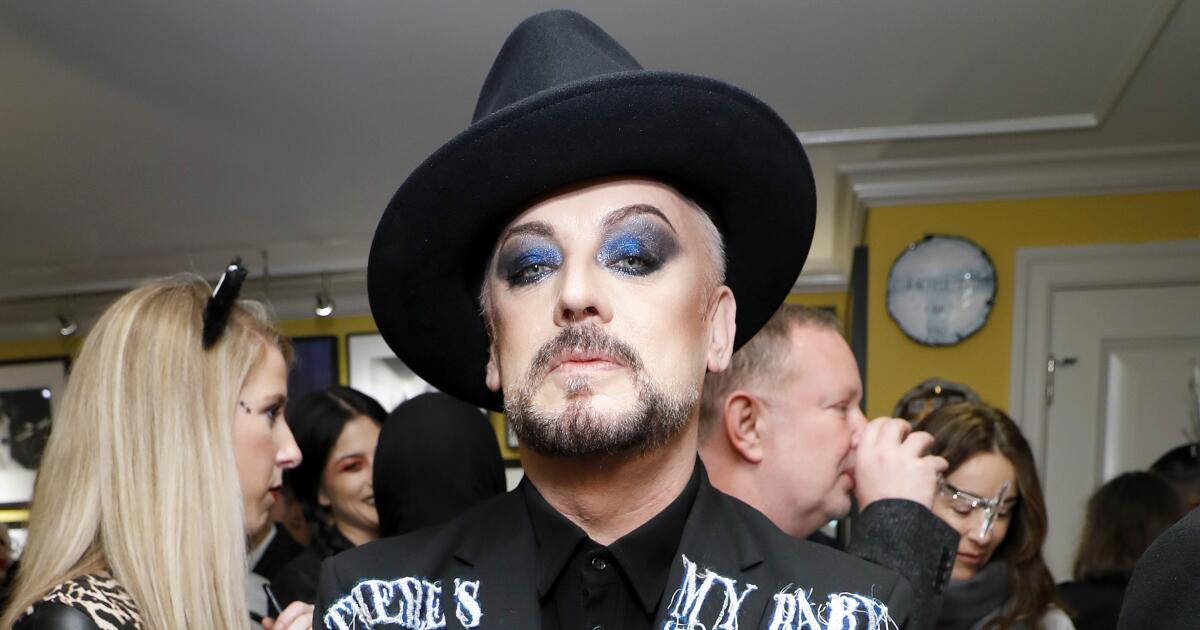
British singer Boy George has recently been withdrawn from the West End revival of Jesus Christ Superstar. This decision comes in the wake of the artist releasing a pro-Israel reggae song, which sparked considerable controversy over the weekend.
Controversial Release and Backlash
The pop star’s latest reggae track, shared on X, includes provocative lines such as, “You say genocide, I say war / When you’re attacked that’s what the army’s for,” alongside critiques of musicians who express political sentiments. This release quickly garnered significant backlash from fans and critics alike, prompting a response that suggested the song’s content may divert attention from theatrical endeavors.
Withdrawal from *Jesus Christ Superstar*
On Thursday, Boy George’s manager, Paul Kemsley, announced on Instagram that the singer would no longer participate in the revival, where he was set to play King Herod. Kemsley stated that this choice was made after thoughtful deliberation, emphasizing the need to prioritize the production’s focus while maintaining respect for the creative team and the cast. His post conveyed gratitude towards the producers for their professionalism amid the situation and expressed well wishes for the entire production team.
Defiance Amidst Controversy
In a subsequent post on X, Boy George acknowledged the criticism he received following his controversial song and mentioned receiving advice to stay silent. However, he asserted that silence is “not an option,” standing firm in his personal beliefs despite the fallout from his provocative statements. The ongoing debates surrounding the current Israel-Palestine conflict sparked additional conversations among various public figures, including musicians and actors voicing their insights on the crisis.
Manager’s Responsibility and Future Steps
Kemsley stated that while he respects Boy George’s commitment to his convictions, he must also act in the best interests of the artist and others involved in the production. He highlighted the importance of allowing the Jesus Christ Superstar revival to continue without any distractions, underscoring that mutual respect and goodwill are essential for all parties as they move forward.
In conclusion, the unfolding events around Boy George and Jesus Christ Superstar highlight the intricate relationship between art, personal beliefs, and public perception. As artists navigate their convictions in a politically charged atmosphere, the repercussions of their expressions often lead to significant professional implications. The story serves as a reminder of the delicate balance required in the entertainment industry, where personal views can impact collaborative efforts.
This situation not only emphasizes the need for artists to stay true to their beliefs but also underscores the role of management in navigating the complex intersect of creative expression and public reception.