
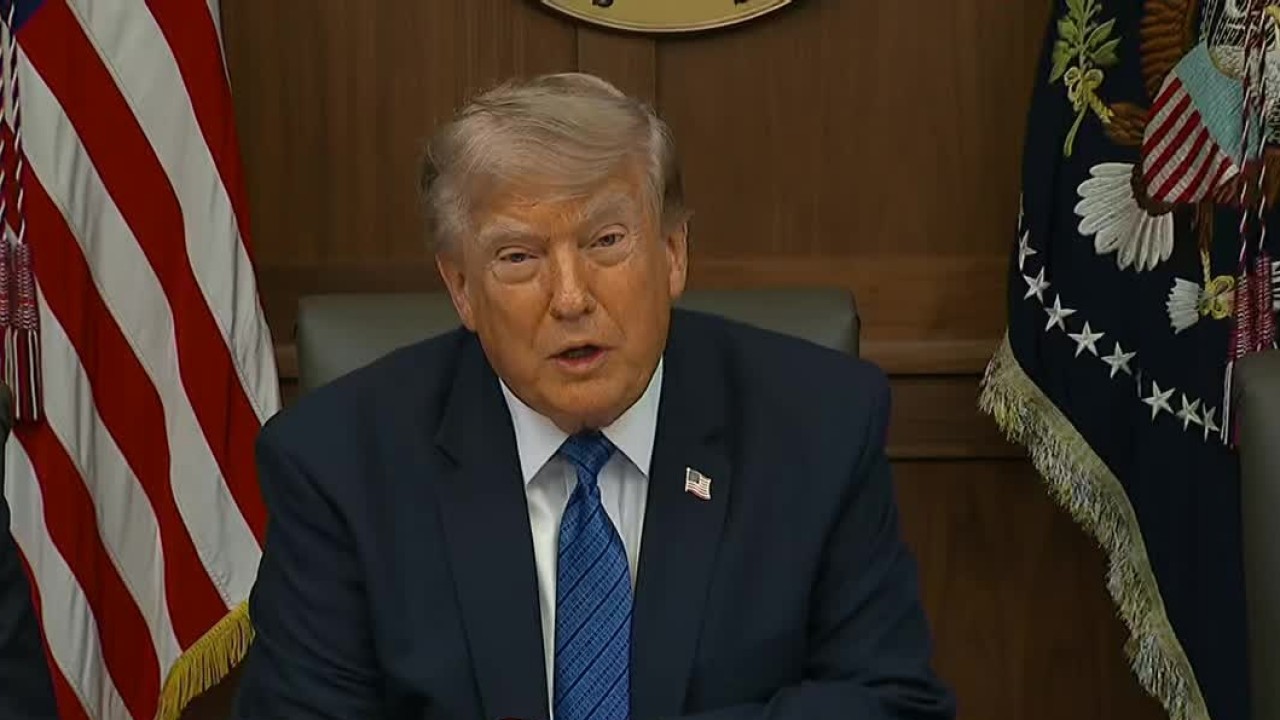
President Donald Trump has raised doubts about the responsibility of Iran in the recent cyberattacks affecting over 30 water systems in Minnesota. Instead, he has placed the blame on the state’s administration, labeling it as “grossly incompetent,” and directing criticism toward Governor Tim Walz, whom he has referred to as the “corrupt governor.”
Concerns Over Cybersecurity in Minnesota
The cyberattacks that have targeted Minnesota’s water systems have raised significant concerns about the vulnerability of critical infrastructure in the United States. With such an essential service being compromised, discussions around cybersecurity have gained newfound urgency. Critics argue that the need for robust protective measures is evident, as failures in safeguarding against foreign threats can have drastic consequences for public health and safety.
In the wake of these attacks, Trump’s remarks have ignited a heated debate regarding accountability. By questioning Iran’s involvement, he suggests a more significant geopolitical narrative, while directing local frustration toward state governance. The implications of these cyberattacks extend beyond mere infrastructure; they invite scrutiny into how prepared and capable state authorities are in addressing emerging cyber threats.
State Accountability and Leadership
Trump’s characterization of the Minnesota state government as incompetent raises questions about state leadership and decision-making processes. Critics of Governor Walz contend that effective communication and strategic planning are essential in crisis management. As cyber threats evolve, people look to government leaders for assurance that they are equipped to handle such situations. Public confidence hinges significantly on transparency and the ability to act decisively during crises.
The conversations sparked by Trump’s comments also emphasize the importance of collaboration between state and federal authorities. A unified response could bolster cybersecurity efforts, ensuring that shortfalls in one area do not jeopardize the safety of citizens. The balancing act of managing state responsibilities while addressing national security concerns is critical in driving effective governance.
The Broader Impact of Cyberattacks
The ramifications of cyberattacks extend beyond immediate threats; they can shape public perception of government efficacy. When citizens perceive their leaders as unable to protect vital services, it can lead to distrust and disillusionment. As a result, proactive communication about cybersecurity measures is vital to reassure the public and maintain their confidence.
Moreover, the intersection of cybersecurity and politics reveals a complex landscape where blame can often overshadow solutions. While Trump’s focus on Iran adds an international dimension to the crisis, it is essential for local leaders to concentrate on building resilient infrastructures that can withstand not only foreign interference but also internal mismanagement. By fostering a culture of accountability and innovation, states can better prepare for and mitigate future cyber threats.
In conclusion, as the issue of cyberattacks continues to loom large over Minnesota’s water systems, the emphasis on state governance and cybersecurity preparedness becomes increasingly vital. With heightened scrutiny on leadership and accountability, it is crucial for both state and federal authorities to work collaboratively, ensuring the protection of essential services and maintaining public trust.