
Rising Tensions in the Middle East: Recent Developments
Recent developments in the Middle East reflect increasing tensions, especially concerning Iran and Israel. U.S. President Donald Trump has heightened the rhetoric, indicating potential for further military action while addressing recent conflicts in the region.
U.S. Military Posturing Against Iran
During a recent press briefing at Camp David, President Trump expressed intentions to sustain military pressure on Iran. He stated that the U.S. aims to “win” in its endeavors against Iran, which includes a promise to hit the nation “very hard.” This declaration underscores the administration’s focus on curtailing Iranian influence in the region. White House press secretary Karoline Leavitt reiterated this stance, criticizing Iran for allegedly violating a truce agreement. She stated that Iran’s actions, particularly attacks on commercial vessels and U.S. personnel, would warrant severe consequences. To safeguard Americans abroad, the State Department issued security alerts for travelers in several Middle Eastern countries, encouraging heightened caution amid these escalating tensions.
Strikes in Kuwait and Ongoing Maritime Conflicts
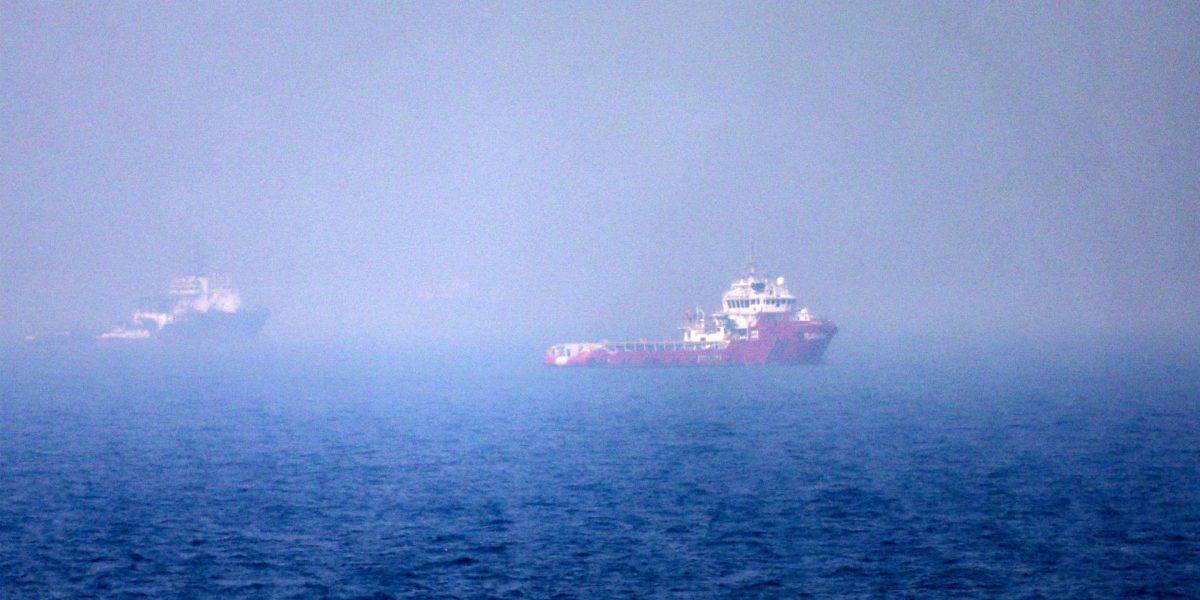
In parallel, Kuwait reported drone attacks linked to Iranian aggressions, affecting vital infrastructures without resulting in casualties. Meanwhile, the Strait of Hormuz remains a flashpoint, with reports of tankers being struck. The United Kingdom Maritime Trade Organization revealed that an unidentified projectile damaged a vessel off the coast of Oman. Iran’s ongoing threats to maritime security pose significant risks to international shipping routes, exacerbating concerns regarding economic stability in the region.
Israeli Operations Against Hamas
As tensions mount in one area, hostilities intensify in another. Recent airstrikes by Israel in the Gaza Strip resulted in casualties and significant damage. These actions followed Hamas’s announcement that it would consider disarming as part of a peace initiative. The Israeli military targeted various Hamas facilities, indicating a decrease in tolerance for militant activities. While Hamas’s willingness to negotiate signifies potential progress, major hurdles remain, especially regarding the implementation and acceptance of any truce or disarmament agreement.
Regional Developments and Broader Implications
Amid these conflicts, the geopolitical landscape remains fraught. Houthi rebels in Yemen have instituted a blockade, forcing Saudi vessels to reroute, further complicating shipping in crucial chokepoint regions. This point of conflict highlights the intricate and often volatile interconnections between various factions, including Iranian influence. Meanwhile, Israeli operations targeting Hezbollah networks in Lebanon stress the ongoing security challenges that transcend national borders. These military actions, alongside negotiations concerning Hezbollah’s disarmament, illustrate the region’s complex dynamics and the challenge of achieving lasting peace.
The intricacies of these developments reveal a landscape filled with uncertainty and potential volatility, raising the stakes for both regional stability and international relations. As U.S. actions unfold, all eyes remain on the Middle East, where the interplay of diplomacy, military power, and long-standing grievances shapes the course of future engagements.