
The conflicts in Iran and Ukraine are increasingly intertwining, raising significant geopolitical concerns as the U.S. weighs its strategies against Tehran. Tensions have escalated recently, manifesting in new military actions and diplomatic maneuvers that could alter the balance in these regions.
Recent Attacks and Escalations
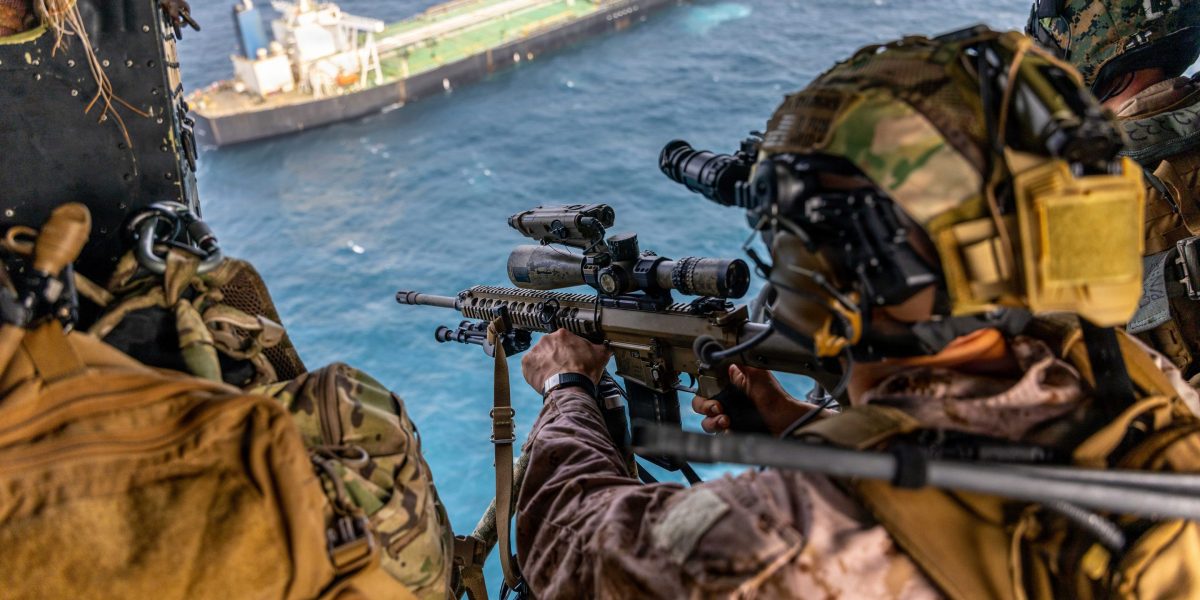
Just last weekend, Ukraine launched an operation targeting an Iranian cargo ship transporting military equipment between Iran and Russia via the Caspian Sea. While Iran maintains that it remains uninvolved in Russia’s ongoing conflict with Ukraine, Kyiv has alleged that Iran is supplying drones to support Russia. This marked a notable moment in the evolution of these wars, amplifying fears that the two conflicts are converging.
In the days that followed, a series of drone strikes led to the targeting of liquid natural gas tankers at a port on Egypt’s Mediterranean coastline. This development is particularly alarming as it is the first assault on Egyptian interests amidst the escalating Iran conflict, posing a threat to the security of the Suez Canal—an essential route for oil exports from the Red Sea.
As hostilities begin to encroach on previously neutral territories, Saudi Arabia has announced the formation of a military coalition aimed at safeguarding shipping routes in the Red Sea. This coalition has the backing of fourteen nations, including Turkey, Egypt, and several African countries, as they strive to mitigate risks associated with Houthi rebel attacks on vessels transiting the Bab el-Mandeb Strait—a critical chokepoint for the kingdom’s oil deliveries.
Global Implications of Regional Conflicts
Dan Alamariu, a geopolitical strategist, highlighted that since the Iran war began in February, Iran and its allies have posed threats or launched attacks against nearly every country in the region. He pointed out that Egypt, which has taken steps to maintain neutral relations with both Tehran and Washington, has now found itself under threat for the first time due to recent actions attributed to Iran.
The recent drone attack could escalate tensions further, not only impacting local economies but also potentially affecting European energy prices, shipping rates, and insurance costs. In a retaliatory twist, Iran has demanded that European nations hold Ukraine accountable for its military actions in the Caspian Sea, suggesting that this entanglement of interests may set the stage for expanded conflict.
Analysts speculate that Ukraine’s strike on the Iranian cargo ship could signify a more complex geopolitical maneuver. Some argue it could be an effort to demonstrate Ukraine’s strategic value to the U.S., or a move encouraged by Israel and the U.S. to apply pressure on Iran. Others suggest that the strike was partly in response to threats posed by Houthi rebels in the Bab el-Mandeb Strait, indicating how interconnected these conflicts have become.
International Response and Future Dynamics
Former U.S. Defense Secretary Mark Esper has called for the internationalization of the conflict to involve allies from Asia and Europe, alongside neighboring countries like Turkey, Armenia, and Azerbaijan. He believes that the implications of these conflicts extend beyond regional borders and impact global commerce, suggesting a need for a more coordinated response involving broader sanctions and strategic maneuvers against Iran.
Moreover, with Russia asserting its military presence in Eastern Europe by launching drones toward Romania and violating NATO airspace with missile strikes in Poland, experts are viewing these actions as part of a broader strategy to expand the geopolitical conflict landscape. Russia’s recent military activities against NATO allies indicate a “shadow war” taking shape that could complicate existing alliances and deepen the schisms within international relations.
Energy expert Daniel Yergin has articulated that the ongoing war in Iran is not only geographically but also geopolitically expanding. Key maritime areas, from the Persian Gulf to the Baltic Sea, have emerged as battlegrounds for control over crucial oil resources. This suggests that the intertwining of the Iran and Ukraine conflicts may lead to broader repercussions affecting the global energy market and regional stability.