
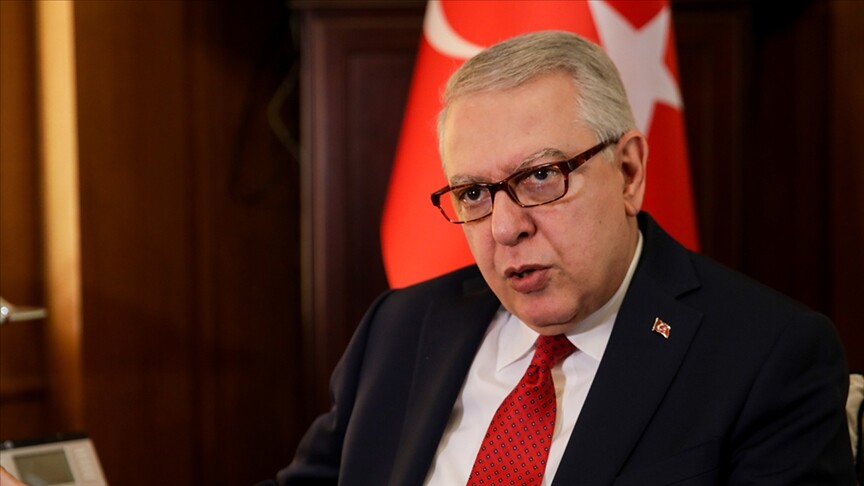
In the realm of international relations, the journey towards normalization between nations often presents intricate challenges and opportunities. Recently, Serdar Kilic emphasized the importance of fostering trust as a foundation for enhancing bilateral ties. Understanding the dynamics at play in these engagements is essential for both governments and citizens alike.
Building Trust as a Foundation
At the core of successful diplomacy lies the establishment of trust. For countries looking to mend strained relations, the first step often involves creating a constructive dialogue. Leaders must prioritize open communication, showcasing genuine intentions to bridge gaps. By engaging in consistent discussions, nations can better understand each other’s perspectives, which in turn cultivates confidence. Serdar Kilic’s remarks highlight that trust is not built overnight; it requires sustained efforts and genuine commitment from all parties involved.
Steps Towards Normalization
To achieve normalization, it’s crucial for countries to take tangible steps that signify goodwill. This could involve economic collaborations, cultural exchanges, or even joint initiatives that address shared challenges. By working together on projects that benefit both nations, leaders can showcase their dedication to a collaborative future. Engaging citizens through these initiatives can also foster a positive atmosphere, as public support often plays a significant role in diplomatic relations.
Furthermore, the normalization process can be enhanced by involving various sectors of society. Encouraging grassroots movements and community exchanges can supplement governmental efforts, making the relationship look less like a top-down initiative. When citizens feel involved in the diplomatic process, they are more likely to support the efforts made at higher levels.
The Role of Leadership in Diplomacy
Effective leadership is vital in steering the path toward reconciliation. Leaders who demonstrate openness and a willingness to compromise can significantly influence public opinion and create a favorable environment for diplomatic negotiations. Serdar Kilic’s approach serves as a reminder that diplomatic relations should not only rest on political aspirations but also require personal investment from leaders to inspire confidence among their constituents.
The actions taken by leaders often set the tone for how citizens view each other. A unified vision articulated through public statements and actions helps instill hope and fosters a spirit of collaboration. By portraying a future grounded in cooperation, leaders can resonate with their populations, encouraging them to embrace the normalized relations that are being sought.
Looking to the Future
As nations strive for normalized relations, they must remain cognizant of the historical baggage and complexities that shape their interactions. A forward-thinking approach is essential, with an emphasis on building a narrative focused on mutual growth and respect. With leaders like Serdar Kilic championing the cause of confidence-building, there’s potential for a brighter relationship that can stand the test of time.
In conclusion, the journey towards normalization between countries is fraught with challenges but also rich with opportunities. By prioritizing trust, engaging all sectors of society, and showcasing strong leadership, nations can pave the way for a more harmonious future. Those observing these efforts will be keenly aware that every step taken is a step closer to fostering a peaceful coexistence that benefits all involved.