
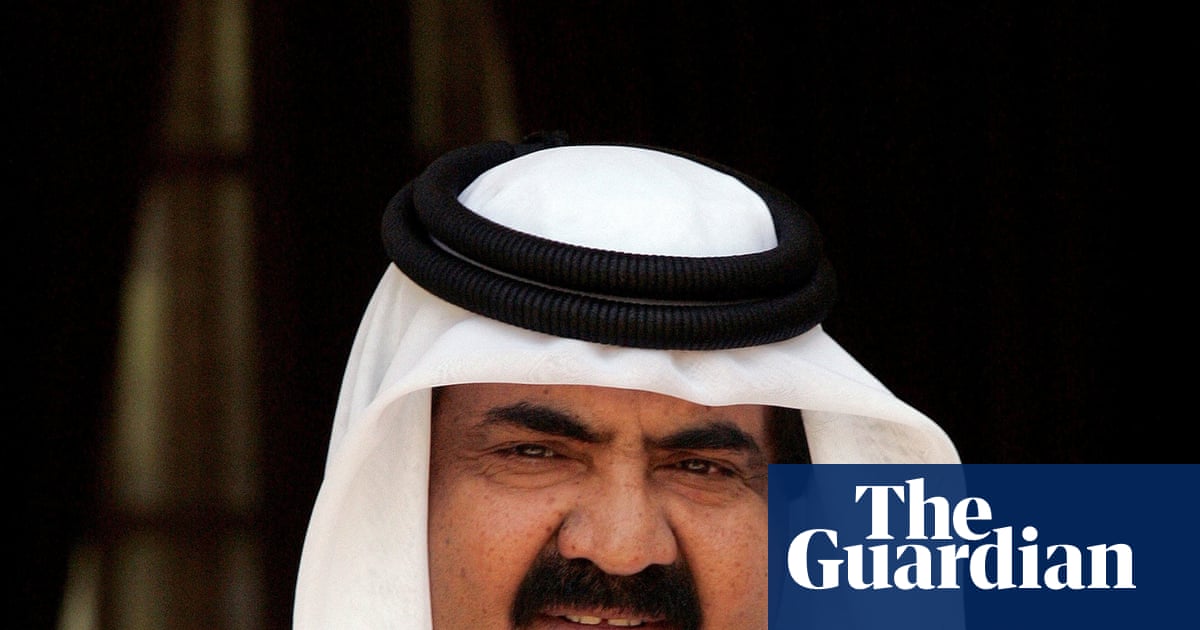
The period of Sheikh Hamad bin Khalifa Al Thani’s rule as emir of Qatar, spanning from 1995 to 2013, was marked by significant controversy. His administration faced numerous accusations concerning human rights violations, particularly regarding the treatment of the large foreign workforce that made up nearly 88% of the nation’s population.
Labor Rights and Exploitation in Qatar
Despite the substantial presence of foreign workers, laws designed to safeguard their rights were seldom upheld. Reports indicate widespread instances of passport confiscation, human trafficking, and the existence of overcrowded and unsanitary labor camps. These issues have raised alarm among human rights organizations, highlighting a persistent disregard for the welfare of migrant workers. The working conditions endured by many foreigners in Qatar remain a pressing concern, overshadowing the emir’s achievements in other areas.
Political Repression and Statelessness
The emir executed controversial decisions that led to significant political turmoil, including the arbitrary stripping of citizenship from over 5,000 members of the Ghufran clan. This measure was seen by many as collective punishment, particularly as some clan members were allegedly implicated in a failed coup in 1996. Consequently, those affected lost access to essential services such as education and healthcare, highlighting the extent of injustice prevailing under his tenure. The ramifications of such policies continue to affect the lives of many Qatari citizens and underline the broader issue of governmental repression.
Censorship and Legal Repercussions
Moreover, Sheikh Hamad’s reign was characterized by notable instances of censorship, particularly concerning dissenting voices. A case that gained international attention involved the poet Mohamed al Ajami, who was sentenced to life imprisonment under dubious circumstances for publicly criticizing the emir. His trial was conducted in secrecy, and it wasn’t until international pressure mounted that he was released in 2016. Laws that prohibited criticism of the emir remained a significant barrier to free expression, emphasizing the limitations placed on political and artistic freedoms during his rule.
The Legacy of Sheikh Hamad’s Rule
Ultimately, the legacy of Sheikh Hamad bin Khalifa Al Thani is a complex tapestry of progress and significant human rights concerns. While the emir’s tenure saw advancements in certain areas, such as economic development, the shadow of political suppression and the ongoing plight of migrant workers cannot be overlooked. The challenges facing Qatar today remain deeply rooted in the policies and decisions made during his time in power, prompting ongoing discussions about reform and the need for greater accountability in the nation’s governance.