In Israel, military censorship has been a fixture throughout its history, which might seem unusual for a democracy. However, this practice is grounded in national security concerns, particularly given the country’s longstanding state of conflict and threat. Real-time reporting of military actions—such as the precise impact point of a missile fired at Israel—could inadvertently provide adversaries with crucial data that can enhance their targeting efficiency.
Understanding Censorship and Political Meetings
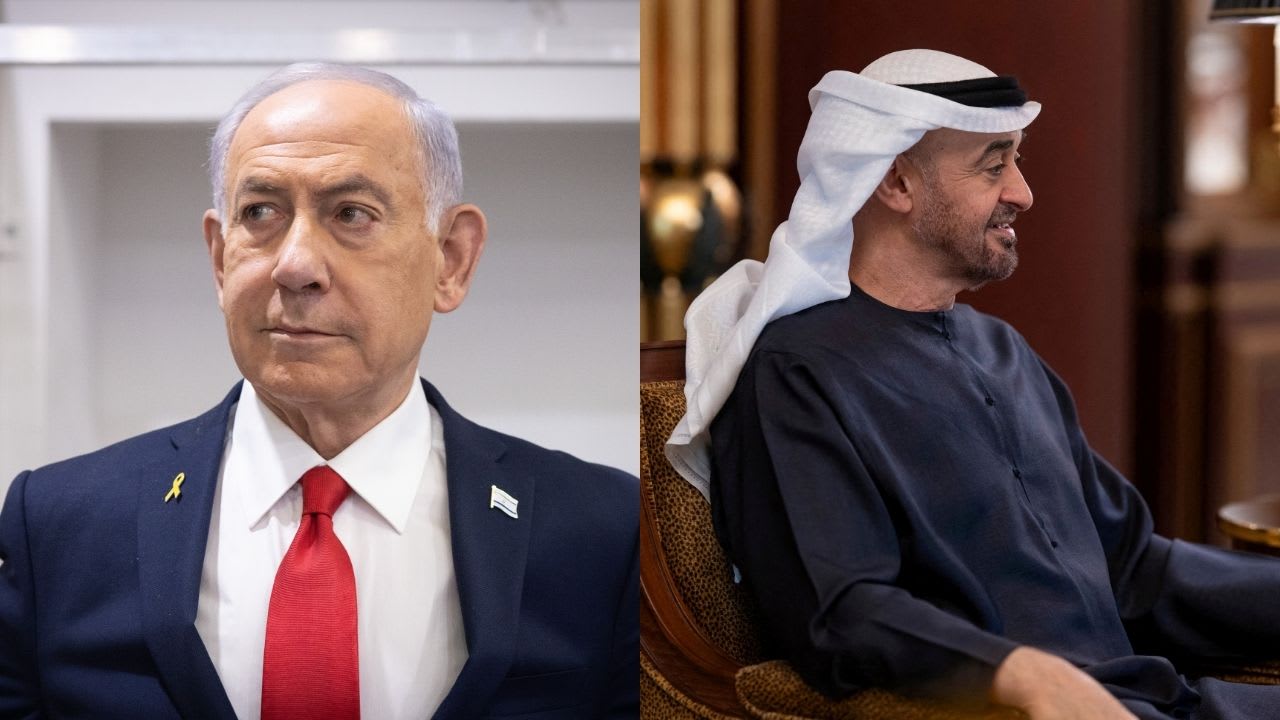
Prime Minister Benjamin Netanyahu’s clandestine trip to the United Arab Emirates (UAE) underlines the complexity of information control in Israel. The meeting with UAE President Sheikh Mohamed bin Zayed Al Nahyan was initially kept under wraps, only to be reported by Channel 12 while Netanyahu was still out of the country. This prompted his office to claim a violation of military censorship regulations by the media outlet.
Despite the strong diplomatic ties between Israel and the UAE, the notion of censorship raises questions. Netanyahu was not entering hostile territory; instead, he was engaging in discussions aimed at fortifying relations. While maintaining some secrecy over a prime minister’s itinerary can be justifiable, employing censorship primarily aimed at shielding the political image of officials is contentious and raises ethical concerns.
Repercussions of Military Censorship
The Associated Press revealed that during this secret meeting, Netanyahu purportedly requested that Sheikh Mohamed publicly deny a report claiming the Emirati leader had forewarned him about an impending Hamas attack shortly before October 7, 2023. Netanyahu’s office has since dismissed the suggestion that such a request was made, asserting that the focus of the meeting was solely on enhancing bilateral relations.
This striking allegation strikes at the root of one of Netanyahu’s most significant political vulnerabilities. Since the catastrophic events of October 7, he has faced scrutiny over his leadership and the lapses in security intelligence prior to the attack. The suggestion that he might have received a prior warning from a key Arab ally would be politically devastating for him.
If true, this would mean that Israel’s prime minister utilized public resources to seek a rebuttal during a meeting meant to strengthen international ties—an act that is fundamentally at odds with the intended use of military censorship. The censorship that serves to protect national security should not morph into a tool for personal political gambits.
The Blurred Lines of State Power and Personal Benefit
This incident also illustrates an increasingly blurred line under Netanyahu’s administration between state interests and personal political goals. Concerns have lingered over misuse of public resources for personal benefit, manifesting in various petty controversies. The implications extend beyond humorous anecdotes of official travels; they expose what many perceive as a troubling erosion of trust in government.
As Israel approaches a critical election at a time of heightened geopolitical tension, the scrutiny over Netanyahu’s actions becomes even more pronounced. Citizens are rightly concerned about entanglements between national security decisions and electoral strategy, particularly concerning issues surrounding Gaza and Iran.
It is vital for a democracy at war that its leaders maintain a clear distinction between state responsibilities and personal undertakings. The pressing question remains: when military powers are employed, are they being used for the state’s benefit or merely to serve political ambitions? Trust in government is paramount, especially when citizens expect their leadership to act solely in the interest of national security, not to bolster their own standing in the polls.