
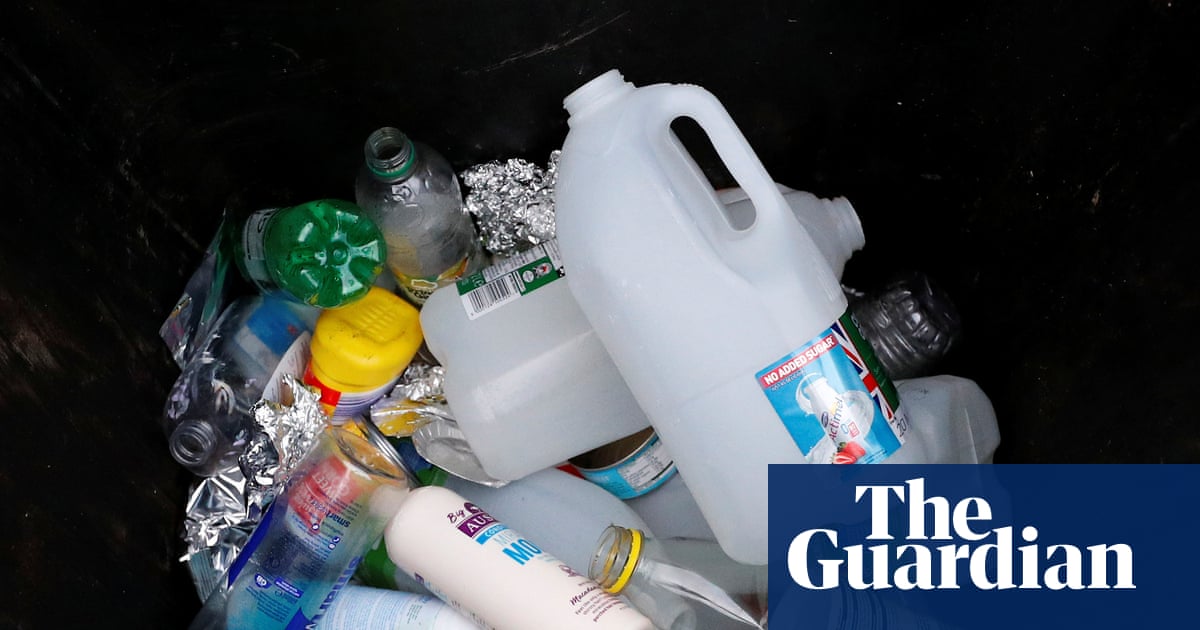
High concentrations of microplastics and other plastic pollutants have been identified in a waterway near a significant recycling center in Turkey, which has been receiving plastic waste from British companies. This situation raises alarming questions about waste management practices and the impact of plastic pollution on agricultural regions.
Impact on Agriculture in Turkey
The contaminated waterway processes rainfall runoff that eventually irrigates fields in the Çukurova plain, a crucial agricultural area around the city of Adana. As one of Turkey’s most productive agricultural zones, the integrity of its water supply is vital for local farmers. The findings reveal that heavy plastic pollution compromises the quality of irrigation water, potentially affecting crop safety and the health of those consuming the agricultural products grown in this area.
Waste Colonialism Concerns
A recent investigation by The Guardian has reignited discussions about the ethical implications of Britain’s role in what has been termed “waste colonialism.” This term refers to the practice of affluent countries exporting their plastic waste to poorer nations with less stringent waste management regulations. Despite the UK government’s pledge to tackle plastic pollution, including commitments made during global treaty negotiations that ultimately faltered, there has been no decisive action to halt these waste exports.
In 2025, the UK exported 675,000 tonnes of plastic waste, the highest amount in eight years, with Turkey receiving about 139,000 tonnes. This scenario highlights the growing trend of European nations sending their waste to Turkey, where regulations are often inadequate to handle the sheer volume and type of waste being processed.
Error in Environmental Oversight
Environmental advocates argue that the export of plastic waste not only burdens local communities in Turkey but also shifts environmental accountability away from the source countries. An analysis conducted by the Environmental Investigation Agency (EIA) revealed that around 13% of UK plastic waste sent to Turkey ended up in Adana’s recycling facilities, underscoring the scale of this environmental issue. While there is no indication that the exporters are operating illegally, they are mandated to ensure that their waste is recycled responsibly.
Sedat Gündoğdu, a marine biologist conducting research on this topic, emphasizes the urgency for Turkey to prohibit all plastic imports, given that microplastic contamination can affect agricultural practices and food safety. Gündoğdu’s studies show alarming concentrations of microplastics downstream from recycling facilities, with levels ten times higher than those found upstream. This highlights the need for substantial improvements in waste management practices, including mandatory microplastic filtration and independent monitoring of wastewater.
Need for Stricter Regulations
The UK’s inability to keep pace with the EU regarding plastic disposal standards has been criticized heavily. Amy Youngman from the EIA notes that by not investing in domestic recycling solutions, the UK is effectively exporting its waste problems, resulting in detrimental impacts on communities in receiving countries like Turkey. Such actions perpetuate environmental injustice, as these communities are forced to endure pollution levels and health risks that would be intolerable in the UK itself.
Similar findings have been echoed by other investigations, with evidence that UK-produced plastic waste has been improperly disposed of or burnt in Turkey. Although Turkey had considered banning certain plastic imports, the pressures from the recycling industry led to the revocation of that ban.
In conclusion, the increasing levels of plastic contamination in Turkish waterways point to a broader issue of waste exportation practices. The global community must address the ethical and environmental ramifications of such actions, advocating for stricter international regulations and accountability from exporting nations to prevent compromising the ecological integrity of lower-income countries.