
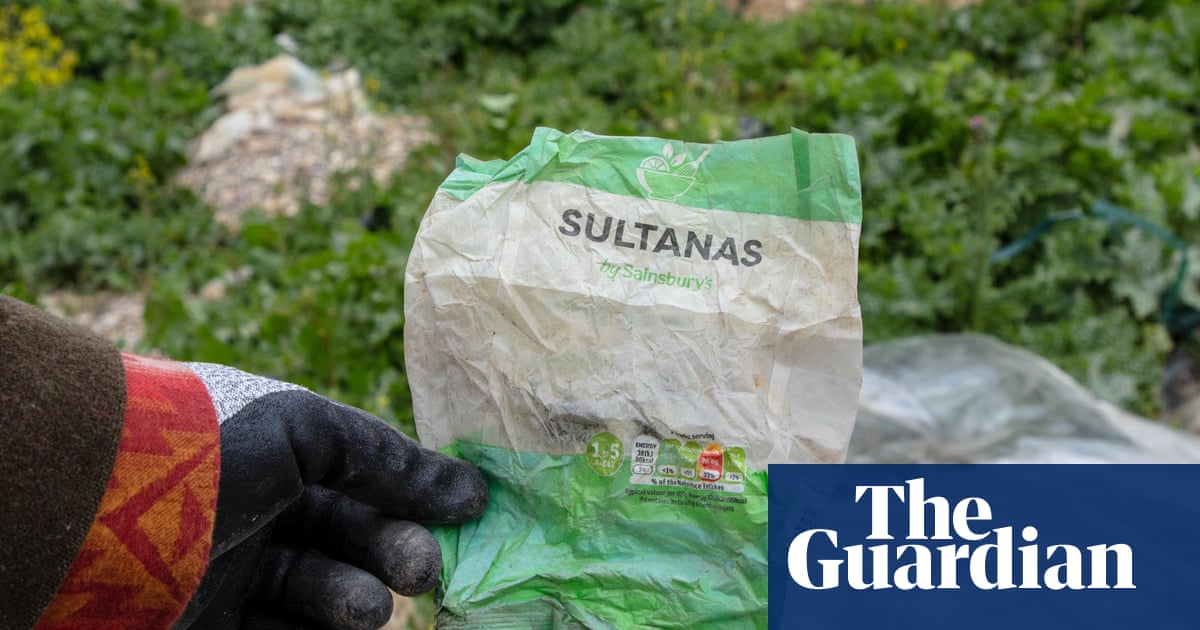
In Adana, Turkey, a significant environmental crisis is emerging as farmers contend with the harmful effects of plastic waste. Amidst fields of aubergines, farmer Ayhan describes how plastic debris from a nearby recycling zone and industrial emissions disproportionately affects the clean water source vital to their crops. This situation is a direct consequence of international waste management practices, particularly involving the export of plastic waste to Turkey from the UK and the EU.
Plastics Poisoning the Soil and Water
Recent data reveals that from May 2021 to July 2024, 13 British companies exported over 52,000 tonnes of plastic waste to Turkey’s Kemal Deniz recycling zone, located just a mile from Ayhan’s fields. Contamination levels in local waterways have soared, with a notable study highlighting a tenfold increase in microplastics downstream from recycling facilities. Moreover, pollution from these sites adversely affects agricultural productivity, as heavy rains carry toxic runoff onto cropland, leading to substantial crop losses. Unsurprisingly, communities in the area express frustration, feeling neglected and powerless against these environmental threats.
The Broader Impact of Global Waste Policies
Turkey has become a primary destination for plastic waste exports, particularly following China’s ban on plastic imports in 2018. Unfortunately, the influx of plastic waste has overwhelmed local treatment capabilities, leading to rampant illegal dumping and incineration. According to Sedat Gündoğdu, a marine biologist, water samples from the Kemal Deniz area show pollution levels exacerbated by direct wastewater discharge from recycling facilities. The resulting contamination significantly threatens not only local agriculture but also the health of the Seyhan River, which eventually flows into the Mediterranean Sea.
Socioeconomic Disparities in Environmental Effects
The overarching issues in Adana expose a troubling dichotomy between socioeconomic classes. Wealthier residents often live in cleaner northern neighborhoods, while impoverished communities in the south, where recycling facilities are concentrated, bear the brunt of pollution. Environmental advocates highlight that this disparity underscores the need for urgent systemic reform in waste management practices to safeguard public health. Fires at nearby waste facilities release toxic smoke, raising immediate health concerns among affected residents and prompting protests against continued plastic waste imports.
Reforming The Waste Export System
As the UK remains one of the largest exporters of plastic waste, the responsibility to handle domestic waste appropriately becomes more pressing. With recent reports indicating that nearly half of Turkey’s plastic waste imports are unrecyclable, the need for stricter regulations is clear. Experts are calling for a shift towards more comprehensive domestic recycling efforts in the UK to mitigate harm caused abroad. Prominent advocates urge governmental action to phase out plastic waste exports and improve local recycling infrastructures, ensuring an environmentally sound approach to waste management.
International waste management failures are thus highlighted in Turkey, as local communities suffer from the repercussions of unregulated practices. By adopting stricter policies on plastic waste exports while promoting effective recycling initiatives, both the UK and Turkey could address the root causes of this ongoing environmental crisis.