
Israel’s upcoming match against the Republic of Ireland in the Nations League has stirred significant interest, particularly regarding fan attendance. Scheduled for next month, this matchup will see many supporters from Israel present, although away fans will not be allowed.
Neutral Venues Amid Ongoing Conflict
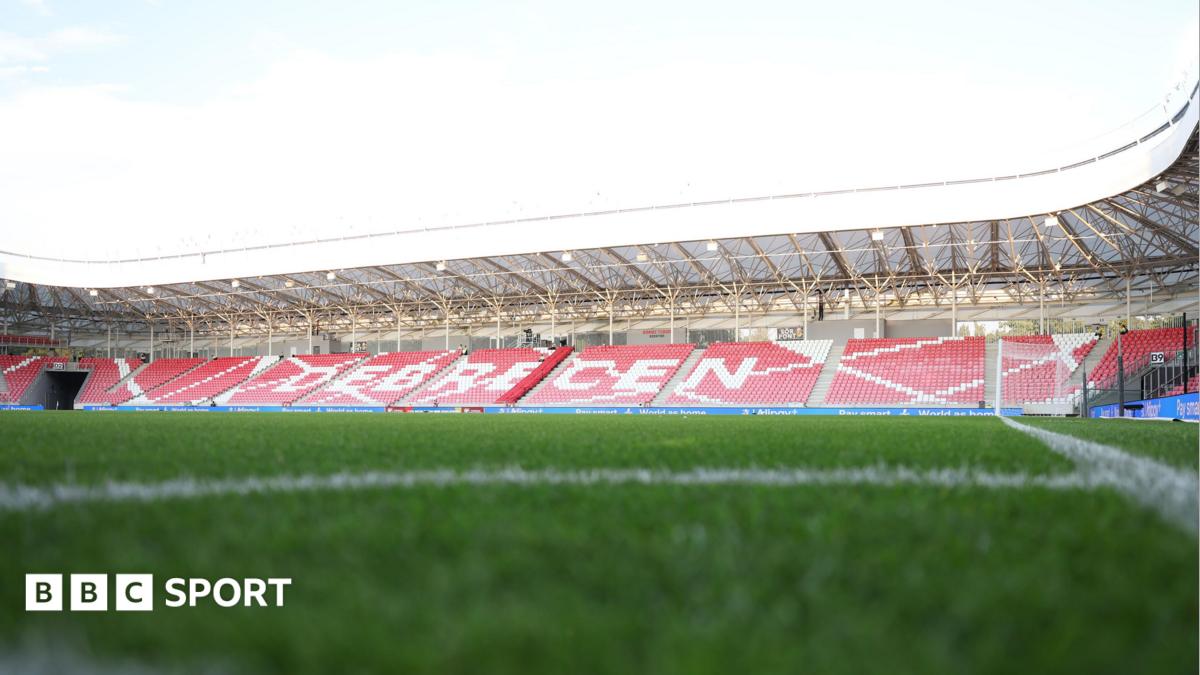
Due to the ongoing tensions in the Middle East, both encounters between Israel and Ireland in the Group B3 competition will take place at neutral locations. The first match is set for September 27 at Nagyerdei Stadion in Debrecen, Hungary, where a limited number of Israeli supporters will be permitted entry. This decision comes as a result of safety and logistical considerations, given the complex backdrop of the regional situation.
Closed-Door Match in Serbia
The second fixture is slated for October 4 and will unfold in Serbia. Interestingly, the Football Association of Ireland (FAI) has announced that this match will occur entirely without fans in attendance. Acknowledging the fervor of Irish supporters, an official statement emphasized that safety, security, and operational challenges prompted this unprecedented decision to hold the game behind closed doors.
Safety and Security Considerations
The FAI has expressed appreciation for the unwavering support that Irish fans show for their teams globally. However, in light of present circumstances, prioritizing the safety of everyone involved has become a critical focus. In their statement, the association reiterated that the compromise on fan attendance was necessary to maintain order and security.
Furthermore, the Israeli Football Association confirmed that a small group of their supporters will be allowed to attend the opening match in Hungary. This reflects the continued importance of fan presence, even in limited capacity, which highlights the passionate nature of football culture in the region despite prevailing challenges.
As the Nations League approaches, both teams and their respective associations must navigate a delicate balance between competition, tradition, and the realities of safety amidst ongoing geopolitical tensions.