
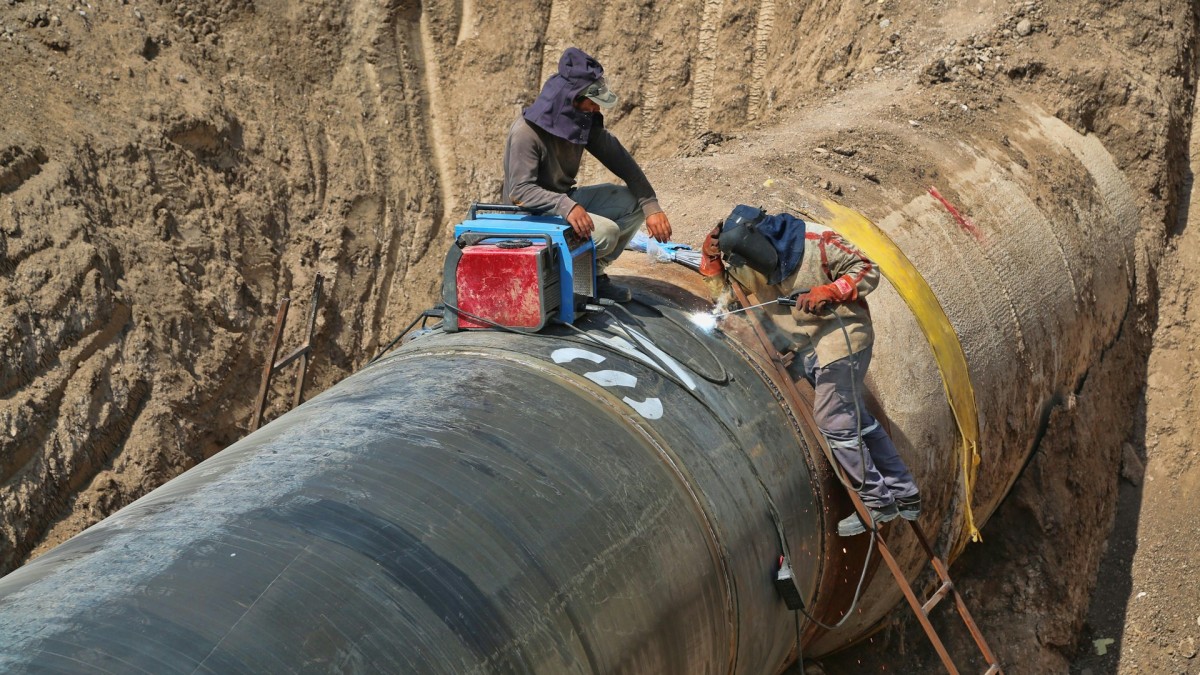
An aging oil pipeline connecting Iraq and Syria is set for a significant revival, with expectations that it could become operational within the next three years. This initiative comes at a critical time as recent geopolitical tensions have highlighted the vulnerabilities associated with Iraq’s reliance on the Strait of Hormuz for its crude oil exports.
Reviving the Iraq-Syria Oil Pipeline
The urgent need for alternative export routes has escalated following disruptions in oil shipments through the Strait of Hormuz. The old pipeline, which transports crude from Iraq’s Kirkuk region to Syria’s Mediterranean port of Baniyas, is being prioritized. Youssef Qablawi, the CEO of the state-run Syrian Petroleum Company, remarked that the pipeline renovation could complete in a timeframe of “three years at most.”
Negotiations between Iraq and Syria have already commenced, focusing on finalizing contracts and identifying investors who can contribute to the reconstruction project. The urgency behind this revival is not merely for economic interests; it emphasizes a strategic move to ensure a more reliable oil export framework amidst regional uncertainties.
Project Timeline and Capacity
Detailed work on the pipeline will involve engineering studies alongside the procurement of essential materials. Qablawi indicated that the construction phase would follow these steps, with the total implementation expected to take no more than 30 months to three years. Once completed, the project will include two pipelines capable of transporting between 1.5 and 2 million barrels of oil per day, significantly enhancing Iraq’s export capacity.
This pipeline project has attracted international attention, including support from the United States. The U.S. government, recognizing the importance of diversifying Iraq’s export routes, has voiced its backing for the renovation of the Kirkuk-Baniyas pipeline. U.S. officials have outlined their expectation for American companies to participate in the project’s rebuilding efforts.
Strategic Importance of the Pipeline
For Iraq, establishing alternative routes for its oil exports is crucial. Historically, the Strait of Hormuz has posed significant risks, as its closure can lead to substantial economic losses—last month’s disruptions forced Iraq, OPEC’s second-largest producer, to reduce its production levels, resulting in billions of dollars in lost revenues. By circumventing this choke point, Iraq aims to stabilize its oil exports and, in turn, strengthen its economy.
In addition, the project serves a broader purpose for Syria, as it navigates its post-war economic recovery. An operational pipeline will not only support Syria’s recovery efforts but also reduce Iran’s influence in the strategic region of Hormuz. By diversifying its trade routes, both countries are positioning themselves to regain greater control over their energy placements amidst a backdrop of geopolitical instability.
The revival of the Iraq-to-Syria oil pipeline stands as a critical step toward ensuring economic resilience and operational reliability in a volatile region. As reconstruction efforts gain momentum, this initiative could redefine the energy landscape for both nations, enhancing their positions in global oil markets while navigating through potential regional disruptions.