
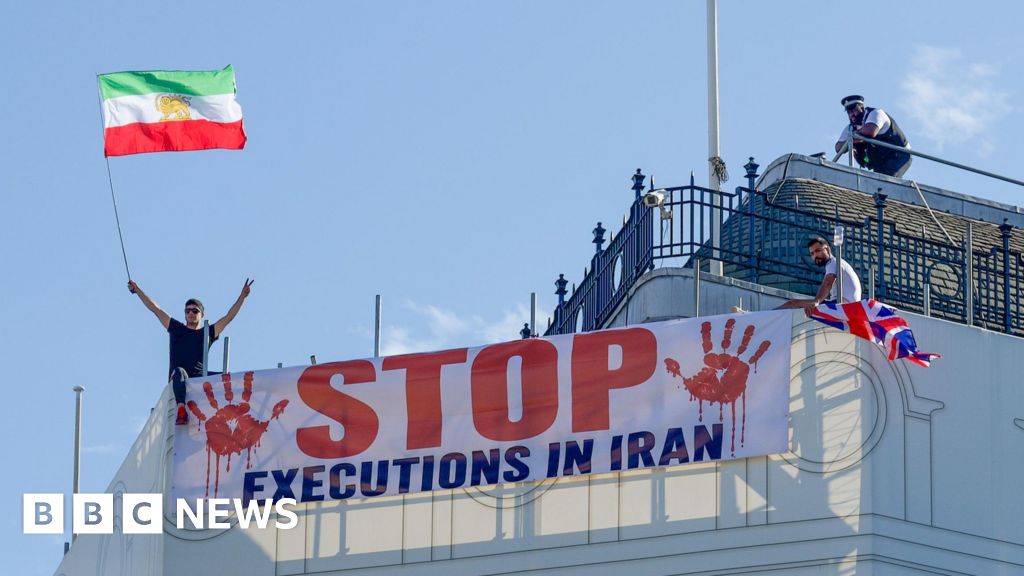
Volker Türk has disclosed alarming statistics regarding executions in relation to national security offenses. In light of recent political unrest, these figures paint a troubling picture for human rights within the affected regions, particularly regarding how governments respond to dissent.
Recent Executions Highlighting Human Rights Violations
According to Türk, 56 individuals have faced execution due to charges that pertain to national security. This includes a significant number—27 people—who were executed in connection with the protests that erupted earlier this year. Such high numbers indicate not only an aggressive crackdown on opposition but also raise serious concerns about the judicial processes involved. These actions often contravene internationally accepted human rights standards, particularly the principles surrounding the right to life and due legal process.
The Impact of Government Crackdown on Society
The government’s response to protests and dissent signifies a broader pattern of repression. By utilizing national security as a pretext, authorities are suppressing voices that advocate for change. The widespread use of execution as a punitive measure serves not only to punish those directly involved in protests but also to instill fear amongst the general populace. This suppression can lead to a chilling effect, where individuals become reluctant to voice their opinions or engage in activism.
This phenomenon extends beyond immediate repercussions, creating a ripple effect throughout society. Families of those executed suffer, and community morale declines, leading to a more subdued atmosphere where fear stifles dissent. In the long term, such crackdowns can lead to instability, as social grievances build up beneath the surface. Ultimately, what may seem like a temporary solution for governing bodies can result in growing resistance and unrest.
The Role of the International Community
The international community must respond to these brutal actions effectively. Organizations dedicated to human rights advocacy are crucial in applying pressure on government regimes to reconsider their punitive policies. Economic sanctions, diplomatic engagement, and public condemnation can serve as tools to encourage change. Additionally, the appointment of special envoys to address human rights abuses may help escalate the situation to a more visible platform, attracting global attention.
Demands for accountability must be raised, urging governments to ensure fair treatment in their legal systems. The international community’s involvement is vital not only for the current situation but also for safeguarding the rights and freedoms of individuals in the future. By supporting grassroots organizations and local leaders committed to change, it may be possible to forge a path toward a more equitable society.
Concluding Thoughts on the Crisis
The executions reported by Volker Türk underscore a significant crisis involving human rights and governance. As national security becomes an increasingly common rationale for extreme measures, it is imperative to challenge these narratives. Striking a balance between security and human rights is essential for the progress of any society. Only through collaborative efforts between local movements and the international community can meaningful change be achieved, leading to a future where the rule of law prevails over authoritarianism.