
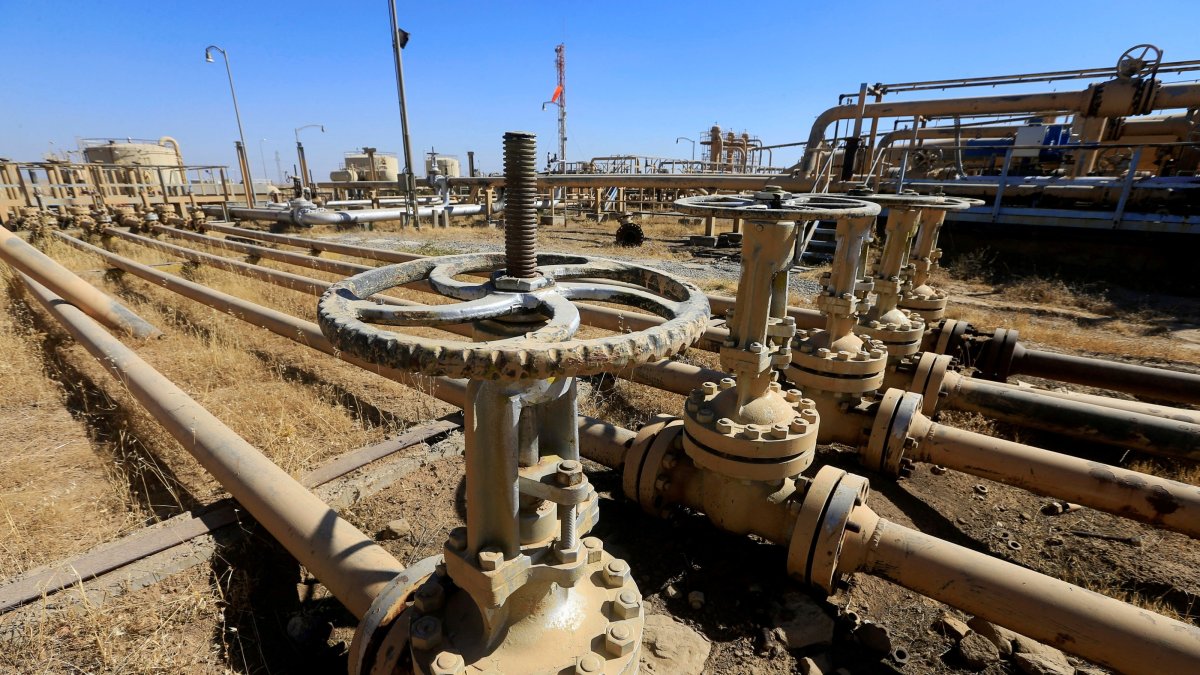
Türkiye is actively working to enhance its pipeline infrastructure to transport oil and natural gas from Iraq and the Gulf region to Europe. This initiative has gained momentum following the recent signing of a one-year agreement between Ankara and Baghdad, aimed at extending the operational capabilities of the Iraq-Türkiye Pipeline, which connects Kirkuk in northern Iraq to the Turkish port of Ceyhan.
Extending the Pipeline Agreement
The new agreement maintains the operation of Iraq’s primary crude oil export pipeline, which had recently faced disruptions due to the expiration of a longstanding bilateral arrangement. This one-year extension not only ensures continued oil exports but also allows for essential discussions on a more extensive collaboration in oil, electricity, and water resource sectors. Türkiye aims to maximize the pipeline’s capacity of 1.5 million barrels per day and potentially expand it to include southern Iraqi oil fields.
In light of regional disruptions, particularly following the U.S.-Iran conflict, Iraq is keen to enhance its oil export viability. The ongoing challenges in the Strait of Hormuz have underscored the need for alternative export routes. Turkey’s commitment to developing its pipeline system offers a vital lifeline for Iraqi producers, enabling them to safeguard their energy exports and reach international markets more effectively.
Future Pipeline Projects
Plans are underway for ambitious projects, including a proposed pipeline linking southern Iraq’s Basra to western Haditha and extending to both Ceyhan in Türkiye and Baniyas in Syria. Despite previous idleness in the Iraq-Türkiye pipeline, there is potential to ramp up exports to a minimum of 750,000 barrels per day, with some volumes processed in Turkish refineries. Current transport is limited to around 200,000 barrels per day, yet expansion to a capacity of 2 to 2.5 million barrels daily is envisioned.
Turkey’s Energy Minister, Alparslan Bayraktar, has indicated that enhancing alternative routes is critical. With security concerns surrounding the Strait of Hormuz, the proposed pipeline would provide an important alternative corridor for oil and gas producers from Iraq and the Gulf, protecting against potential disruptions in their traditional shipping routes. Additionally, the proposed projects aim to bring forward investments in storage, refining, and petrochemical sectors around Ceyhan while also supporting the ambitious Development Road transport corridor linking Iraq’s Grand Faw Port to Europe.
Natural Gas Cooperation and Future Prospects
In addition to oil, negotiations between Türkiye and Iraq have also moved towards developing a framework for natural gas cooperation. Bayraktar noted that Türkiye could initially use its existing infrastructure to export natural gas to Iraq to address immediate power supply challenges. Long-term plans include a gas pipeline alongside the Basra oil pipeline, facilitating the transport of natural gas from Qatar and other Gulf nations through Iraq to Türkiye and eventually into European markets.
This vision sets the stage for Türkiye to become a central hub where energy routes converge, bolstering its regional influence and economic resilience. The existing infrastructure, comprising extensive high-pressure gas transmission networks and facilities, underpins this ambition, ensuring a smooth transition toward becoming a leading energy transit and trading hub.
Recent agreements, particularly concerning investments in Iraq’s Kirkuk region, have further solidified Türkiye’s role in the regional energy landscape. With Turkish Petroleum Corporation acquiring a 15% stake in key oil fields, these initiatives reflect a broader strategic approach to diversify energy routes amidst geopolitical complexities.
In a world increasingly characterized by instability and conflict, Türkiye’s proactive measures in strengthening energy infrastructure not only enhance its own energy security but also position it as a key player in regional energy dynamics, catering to the needs of both Iraqi and Gulf producers while fostering international energy collaboration.