
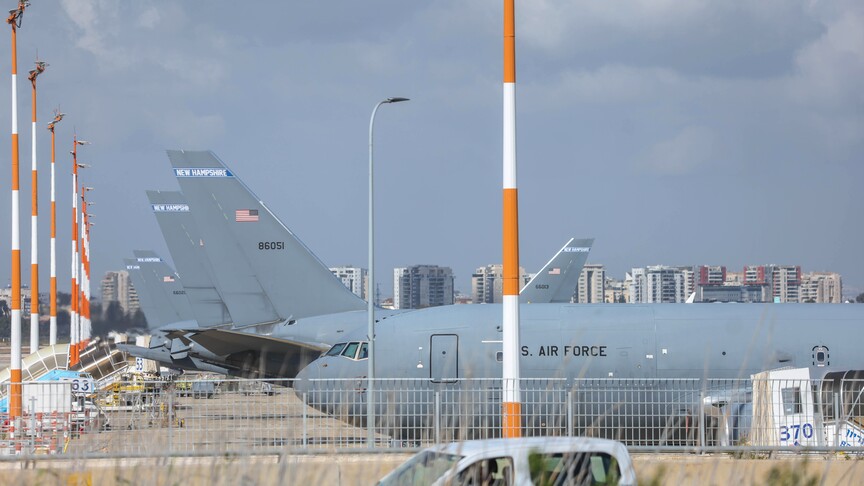
The U.S. military has initiated the withdrawal of some aerial refueling planes from Ben Gurion Airport near Tel Aviv. This decision aims to alleviate the operational strain on the airport, a move prompted by Israel’s Transportation Minister, Miri Regev, who urged security officials to reassess the aircraft’s presence during the busy travel season.
Withdrawal of U.S. Aerial Refueling Aircraft
Reports indicate that this strategic withdrawal is intended to ensure that airport operations remain efficient as passenger traffic peaks. Various Israeli media outlets have highlighted the pressures that the airport faces during this time, and the presence of U.S. military aircraft has become a focal point in discussions about civilian air traffic. The decision underscores the complicated interplay between military needs and civilian operations, particularly in a country with significant geopolitical concerns.
Impact on Civilian Air Traffic
The U.S. refueling aircraft have been stationed at the airport since the U.S.-Israeli military campaign against Iran commenced on February 28. Their presence has generated considerable debate among Israeli officials and the public regarding its implications for civilian air travel. Critics argue that military operations should not interfere with an airport that serves as a vital hub for international connectivity and tourism.
While the specific number of aircraft remaining at Ben Gurion remains undisclosed, the future location of these planes is yet to be determined. The ongoing discussions and decisions made regarding their relocation will likely have implications not only for Israeli air travel but also for the broader regional security landscape.
Regional Context and Speculations
This development unfolds against a backdrop of increasing speculation concerning U.S.-Iran relations. There are indications that potential agreements could be on the horizon between Washington and Tehran, especially regarding crucial topics such as navigation through the Strait of Hormuz. This strait is critical for global energy supplies and commercial routes, and any changes in security posture in the region could impact these vital trade channels.
The current scenario demonstrates the complex dynamics at play. U.S. military actions often intersect with civilian aviation policies, and the implications can reverberate throughout the region. As discussions continue on military positioning and bilateral relations, stakeholders will closely monitor how these developments affect airport operations and broader security concerns.
In conclusion, while the withdrawal of U.S. aerial refueling aircraft from Ben Gurion Airport aims to streamline airport operations, it also sparks vital conversations about the balance between military presence and civilian needs in Israel. The evolving relationship between the U.S. and Iran may further influence this intricate situation, raising questions about future military strategies and their implications for travel and commerce in the region.