
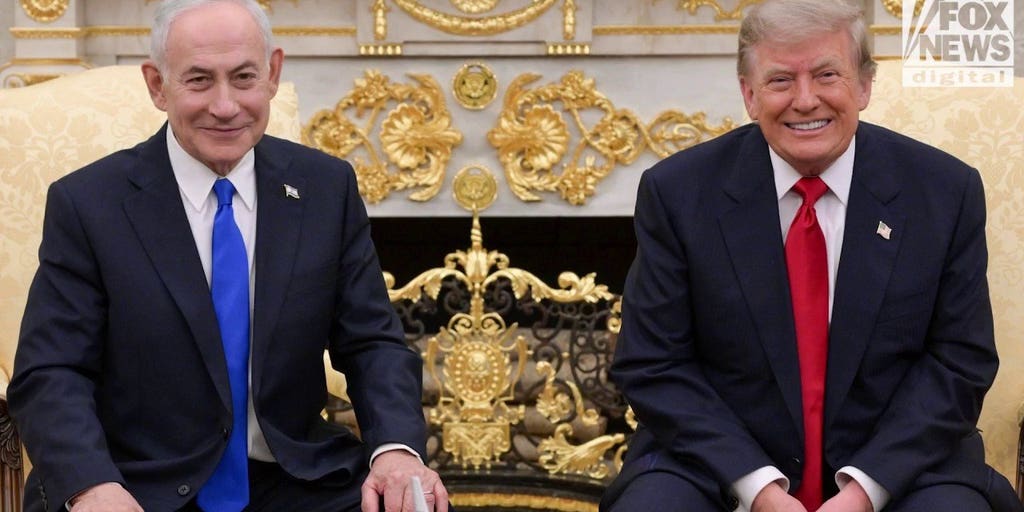
U.S.-Israel Relations: A Lasting Alliance
The partnership between the United States and Israel has been a cornerstone of both nations’ foreign policies for decades. This relationship, characterized by shared values and strategic interests, has faced numerous challenges, yet continues to thrive. Individuals like U.S. Ambassador to Israel Mike Huckabee, former Ambassador David Friedman, and Heather Johnston, the Founder and President of the U.S. Israel Education Association (USIEA), have been instrumental in highlighting the importance of this alliance.
Historical Context of U.S.-Israel Relations
The U.S.-Israel alliance traces its roots back to the establishment of Israel in 1948. From that moment forward, the United States has recognized Israel as a vital ally in the Middle East, providing both military and economic support. Over the years, this partnership has evolved, influenced by regional conflicts, global politics, and internal developments within both countries. Understanding this historical context is essential to appreciating the ongoing collaboration between the two nations.
In the early days, U.S. support for Israel was crucial for its security and development. Through various bilateral agreements and initiatives, the United States has consistently reinforced its commitment to Israel, recognizing its status as a democratic nation in a turbulent region. This mutual benefit has resulted in shared technological and military advancements, bolstering both nations’ defense capabilities.
The Role of USIEA in Strengthening the Alliance
The U.S. Israel Education Association plays a vital role in enhancing the connection between the United States and Israel. Founded by Heather Johnston, USIEA focuses on promoting educational initiatives and raising awareness about the significance of the U.S.-Israel relationship among various audiences. By facilitating programs and events, USIEA seeks to foster a deeper understanding of shared values, history, and strategic interests that bind the two nations.
Through educational outreach and diplomacy, USIEA has helped maintain robust support for Israel within the American public and among policymakers. By showcasing the importance of the alliance, the organization encourages younger generations to engage with and appreciate the complexities of U.S.-Israel relations. This proactive approach ensures that the partnership remains strong and relevant in contemporary discussions, even as new geopolitical challenges arise.
Current Challenges and Future Prospects
Despite the enduring bond between the U.S. and Israel, the alliance faces several contemporary challenges. Regional instability, shifts in global political dynamics, and internal discord within Israel can all impact this crucial partnership. However, as long as dedicated individuals and organizations like USIEA continue to advocate for the alliance, the foundation remains solid.
The future of U.S.-Israel relations depends heavily on the ability of both nations to navigate these challenges collaboratively. Continued dialogue and mutual support will be key in addressing potential threats and ensuring that the alliance serves the best interests of both countries. With ongoing education and engagement, the U.S.-Israel partnership is poised to adapt and thrive in the ever-changing geopolitical landscape.
In summary, the U.S.-Israel relationship is built on a rich history characterized by mutual respect and shared goals. Organizations like USIEA play a crucial role in educating the public and fostering appreciation for this alliance, ensuring its longevity in the face of new challenges. The steadfast commitment of both nations sets a promising tone for the future, maintaining this vital partnership well into the next generation.