
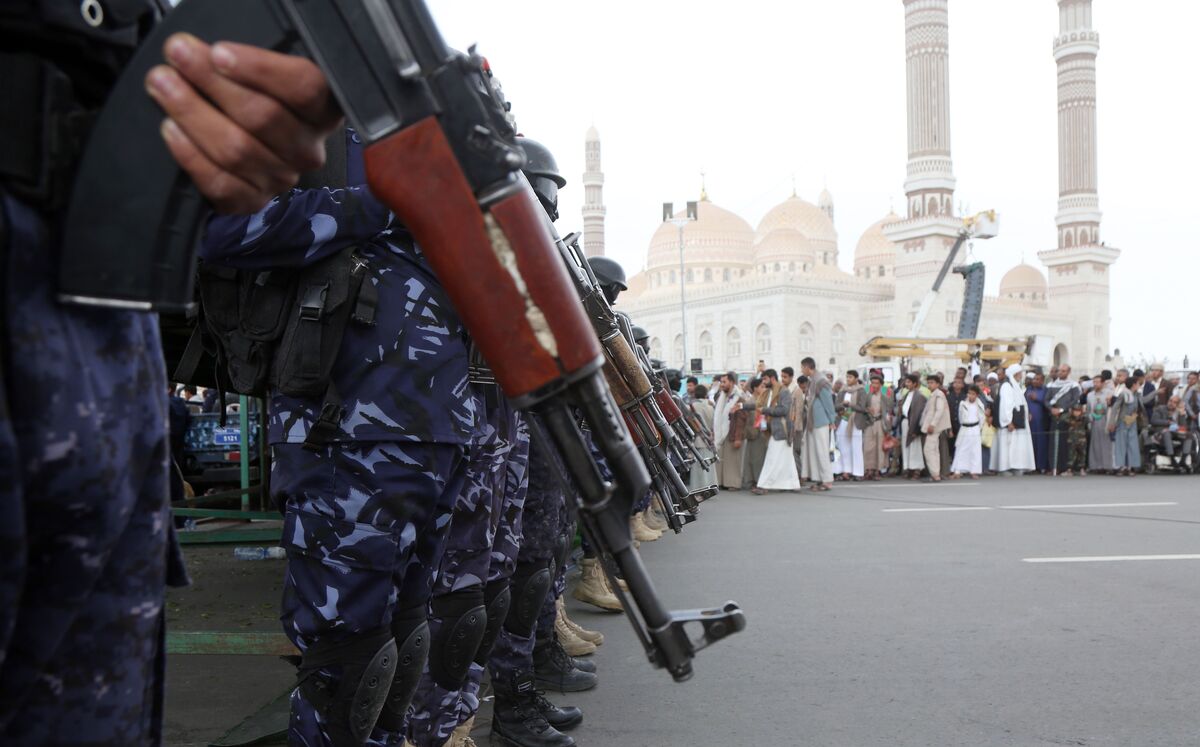
The escalating tensions in the Middle East have prompted significant military actions, as the Houthi militant group has recently announced a comprehensive attack on forces aligned with Yemen’s Saudi-backed government. This development raises alarms about the potential expansion of the ongoing US-Israeli conflict with Iran, possibly drawing in various regional players.
The Houthi Offensive: A New Front in Yemen
The Houthis, who have been embroiled in a protracted conflict against the Yemeni government and its Saudi allies, have stated that their latest military operation represents a considerable surge in their capabilities. This incident underscores the volatile situation in Yemen, where the civil war has already led to a humanitarian crisis. With the Houthi forces claiming significant victories, there is an increasing fear that the conflict could spiral out of control, further destabilizing the region.
Potential Implications for Regional Stability
The latest Houthi attack does not exist in isolation; it could represent a wider shift in the geopolitical landscape of the Middle East. Analysts warn that if the conflict expands, it could involve numerous stakeholders, complicating an already intricate situation. The continuous military engagement might attract more international attention, including from nations that may see the conflict as an opportunity to assert influence in the region. This could lead to an escalation, drawing various factions into a more extensive confrontation.
Connections to the US-Israeli Conflict with Iran
The implications of such military actions extend beyond Yemen, particularly in relation to the US-Israeli stance against Iran. There is growing anxiety that the conflict could spill over into a broader war that encompasses multiple actors, including Iranian-backed groups in the region. The Houthis have long been part of Iran’s network of allied militias, and their aggressive actions may be seen as a direct response to perceived threats from US-Israeli operations targeting Iranian interests.
The Path Forward: Diplomacy or Escalation?
In light of these developments, the question remains: can diplomacy prevail, or are we on the brink of a larger, uncontrollable conflict? The international community faces the daunting challenge of defusing tensions before they reach a critical point. Renewed diplomatic efforts would require commitment from all involved parties to halt hostilities and prioritize peace talks. Developing a multilateral approach may be essential in order to secure a lasting resolution and ensure stability in the region.
As the situation continues to evolve, observers will undoubtedly keep a close eye on the Houthis and their next moves, as well as how the Saudi-backed government responds. The potential for increased conflict remains high, making it imperative for nations involved in these regional disputes to take steps toward de-escalation. Without proactive measures, the risk of a wider war could become an unfortunate reality.
In summary, the recent actions of the Houthi militant group highlight the precarious state of affairs in Yemen and raise critical questions about the future of Middle East stability. The interconnected nature of regional conflicts demands vigilant monitoring and diplomatic engagement to prevent escalation into a full-blown war.