
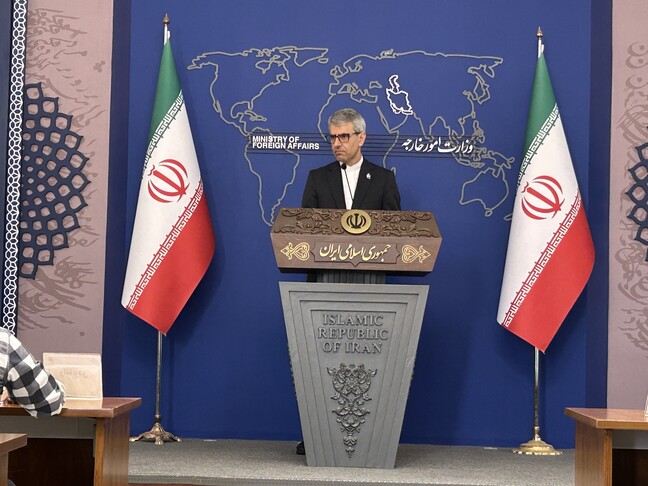
Iran recently announced that it shared its terms for renewing diplomatic efforts with the United States during a mediated discussion in Qatar. This two-hour exchange occurred on the sidelines of the UN General Assembly, illustrating the continued efforts to mend relations between Tehran and Washington.
Details of the Mediation Process
Foreign Ministry spokesperson Esmaeil Baqaei revealed on the social media platform X that this exchange unfolded as part of ongoing discussions facilitated by various countries. Baqaei emphasized that Iran used this opportunity to clarify its positions unequivocally, ensuring that there would be no misunderstandings or justifications for any party’s actions moving forward.
During these communications, Iran articulated specific conditions that it believes are essential for reviving diplomacy. Among these terms is the cessation of what Iran refers to as “aggressive actions” by the US, which includes lifting the naval blockade, ending economic sanctions, and stopping military conflicts in various regions. Additionally, these conditions highlight the importance of releasing Iranian assets currently frozen or restricted.
Demand for Safe Navigation
Furthermore, one pivotal demand from Tehran is the recognition of safe shipping routes through the Strait of Hormuz. This would be contingent on an agreement between Iran and Oman, showcasing Iran’s desire for a collaborative approach to maritime safety. This focus on navigation safety underscores Iran’s strategic position in the region and its vital role in global energy transportation.
The exchange of messages follows a brief meeting between US officials and Iranian representatives in New York, which President Donald Trump described as constructive. He indicated that talks were productive and had lasted roughly three hours. Iranian state media corroborated this, noting that Foreign Minister Abbas Araghchi met with special envoys from Trump’s administration at the request of US officials, reflecting a mutual interest in dialogue.
Background Context and Prospects
These diplomatic efforts come on the heels of a ceasefire agreement brokered by Pakistan in April, which led to the signing of the Islamabad Memorandum in June. This memorandum allowed both nations a 60-day window to negotiate a more substantial and lasting agreement. However, subsequent retaliatory actions from both sides—including Iranian attacks and the reimplementation of a US military blockade—have complicated these discussions, highlighting the challenges ahead.
As diplomatic talks continue, the dynamics of US-Iran relations remain delicate. Both nations will need to navigate a complex landscape of historical grievances, regional conflicts, and international pressures. This latest interaction, while a sign of progress, signifies just the beginning of a protracted negotiation process that could redefine relations between the two longstanding adversaries. The implications of these discussions extend far beyond the parties involved, potentially impacting regional stability and global economic conditions in a world increasingly dependent on Middle Eastern energy resources.