
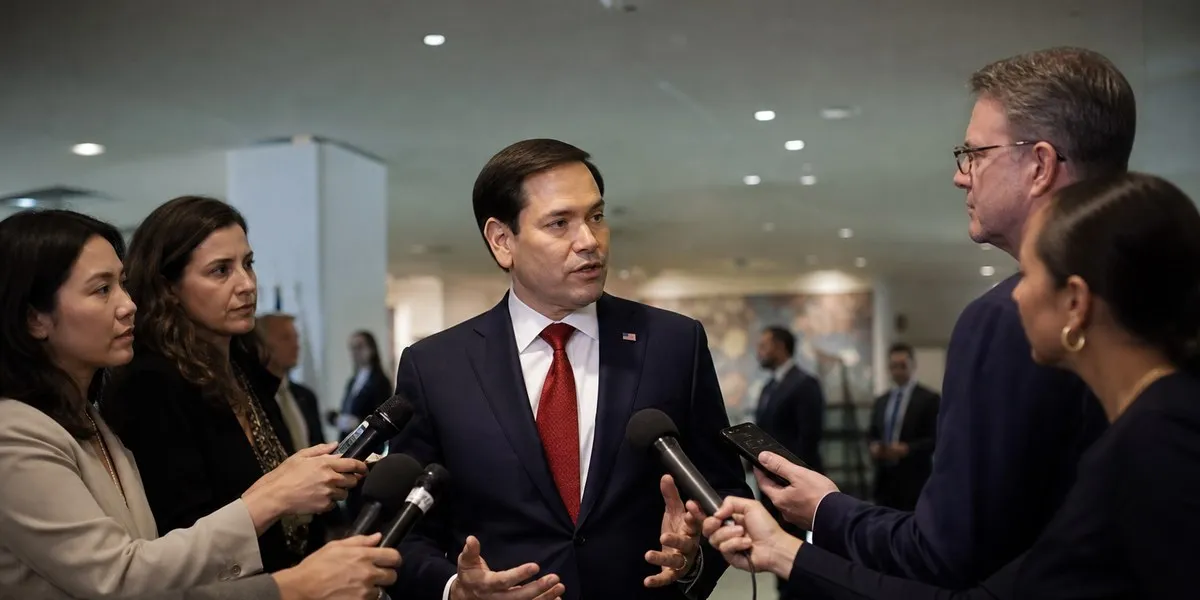
In recent statements, U.S. Secretary of State Marco Rubio assured that the Biden administration will honor its defense commitments to Saudi Arabia. This declaration was made in response to inquiries about the ongoing military activities of the Houthis in Yemen.
U.S.-Saudi Defense Agreement
During a media conference, Rubio reiterated the United States’ dedication to upholding its defense obligations to Saudi Arabia. The context of these obligations revolves around significant agreements aimed at ensuring the security of the Gulf nation amidst regional tensions, particularly given the volatile situation in Yemen. The U.S. has historically played a crucial role in supporting Saudi Arabia, primarily through arms sales and military cooperation designed to counteract threats emanating from various factions in the region.
The assurance from Rubio comes at a critical time when the Houthis’ military operations are drawing increased scrutiny. These actions pose a considerable threat to not only Saudi Arabia but also the stability of the broader Middle East. The U.S.’s steadfast commitment to Saudi Arabia underscores the ongoing strategic partnership between the two nations, especially in the face of rising hostilities from neighboring adversaries.
Diplomatic Engagement with Iran
In addition to discussing Saudi Arabia, Rubio commented on the intricate diplomatic landscape with Iran. He emphasized that any potential agreement with Tehran requires sustained and concerted efforts over time. The U.S. and Iran have been engaging in indirect negotiations recently, as both sides seek to navigate a complex series of international relations posturing.
While specific details about the defense agreement or the contents of the ongoing talks with Iran remain under wraps, it is evident that the U.S. is navigating a multifaceted diplomatic approach. This strategy aims to deter Iranian influence while managing relationships with key allies in the region. As such, the U.S. is often caught between backing its partners like Saudi Arabia and exploring diplomatic openings with Iran.
The evolving situation highlights the delicate balance the U.S. faces in the Middle East. An effective defense strategy for Saudi Arabia is crucial not only for its national security but also for maintaining broader regional stability. Discussions regarding Iranian negotiations will likely continue as a backdrop to this.
Conclusion
As the geopolitical landscape in the Middle East continues to shift, the U.S.’s commitment to Saudi Arabia remains an essential element of its foreign policy. Secretary Rubio’s statements serve as a reminder of the strategic alliances that shape the region’s dynamics. While the focus on Iran’s diplomatic interactions adds another layer of complexity, the commitment to defense agreements is paramount in addressing threats like those posed by the Houthis.
Amid these developments, it will be crucial for Washington to maintain a measured approach that supports its allies while remaining open to avenues for dialogue with Iran. The evolution of these relationships will undoubtedly influence not just the U.S. and Saudi Arabia but the entire geopolitical landscape of the Middle East in the years to come.