
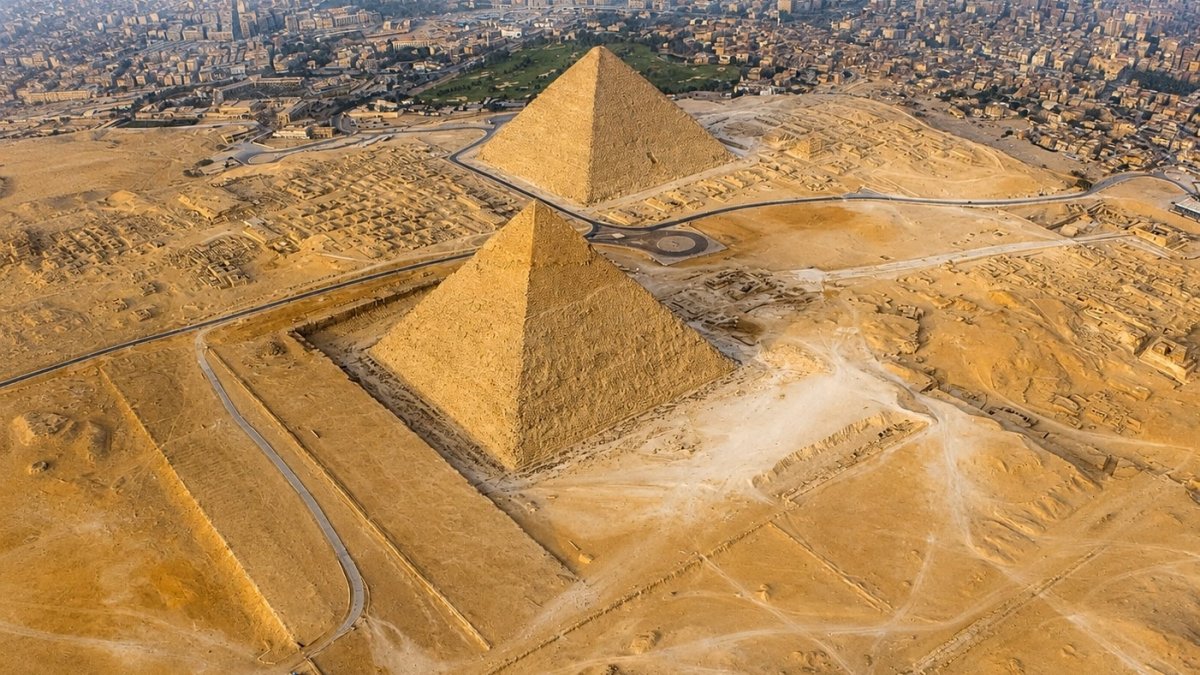
The recent unveiling of rarely seen views of Egypt’s Giza pyramids has captivated audiences, thanks to stunning new images taken by photographer Osama Sherif Elmedany. These photographs provide an exceptional perspective on areas that have been largely inaccessible to the public, showcasing inscriptions from visitors over the years and deepening our appreciation for these ancient structures.
A Hidden History Unveiled
The newly released photographs offer a unique glimpse into the summits of the iconic pyramids, revealing inscriptions etched into the massive limestone blocks. For decades, visitors admired these monumental structures primarily from the ground. However, the practice of climbing the pyramids was a common experience for tourists until authorities intervened to preserve the pyramids and ensure visitor safety. Historic images from the late 19th and early 20th centuries depict travelers reaching the pinnacle of the pyramids with the help of local guides, a stark contrast to today’s more restricted access.
These recent images serve as a reminder of the many individuals who have left their mark on these ancient wonders. The names, initials, and symbols recorded over the centuries reveal a fascinating narrative of cultural exchange and tourism. While some markings have faded significantly, others remain legible, offering clues to the backgrounds of those who once scaled these great monuments.
Centuries of Inscriptions
The inscriptions discovered at the pyramids’ summits are varied and intriguing. Among them are references to far-flung locations, such as “Glasgow,” showcasing the diverse range of visitors who have sought to connect with these iconic landmarks. The markings not only chronicle the passage of time but also highlight the changing nature of tourism—from a time when climbing the pyramids was encouraged to the present day, where access is limited to authorized personnel and researchers.
This artistic record serves multiple purposes. It documents the history of interaction with the pyramids, shedding light on the tourist practices of yesteryear and the evolving policies intended to protect these ancient sites. Elmedany’s photographs emphasize how time and weathering have preserved elements of this history, even as the pyramids continue to weather the elements.
Architectural Marvels Through Time
The pyramids, particularly the Pyramid of Khafre, stand as testaments to the engineering genius of ancient Egypt. Constructed around 2550 B.C. for Pharaoh Khafre, this impressive structure originally reached a height of about 143 meters (469 feet), though it is currently shorter due to the loss of its outer casing and part of its summit over centuries. Made up of roughly 2 million stone blocks, the pyramid exemplifies remarkable precision and architectural skill.
Insightfully, most of the stone blocks weigh an average of 2.5 metric tons, and some of the outer casing stones may have approached 7 metric tons. While much of the original white limestone casing has eroded away, small sections near the summit remain, providing a glimpse into the pyramid’s past brilliance—how it once shone brightly in the Egyptian sun, reflecting light across its desolate surroundings.
Spanning approximately 4,500 years of history, the Giza pyramids remain monumental in both grandeur and legacy. The Great Pyramid of Khufu, which originally towered at about 146 meters, held the title of the tallest man-made structure in the world for nearly 3,800 years, a testament to the enduring impact of ancient Egyptian civilization.
In conclusion, the recent photographs by Osama Sherif Elmedany not only illuminate the hidden aspects of the Giza pyramids but also remind us of the rich history and cultural significance of these remarkable structures. As we continue to explore and study them, we gain a deeper understanding of the artistry and ingenuity of a civilization that has influenced countless generations.